START HERE. DO NOT OVERTHINK IT.
I spent three weeks reading reviews before my first proper pair, which I now recognise as procrastination wearing a lab coat. The research on beginners is almost insultingly simple: comfort is the single best predictor of whether a shoe suits you. Not drop, not stack height, not the acronym on the box. If it feels good in the shop, it is probably right. These two are where nearly every running shop starts a nervous beginner.
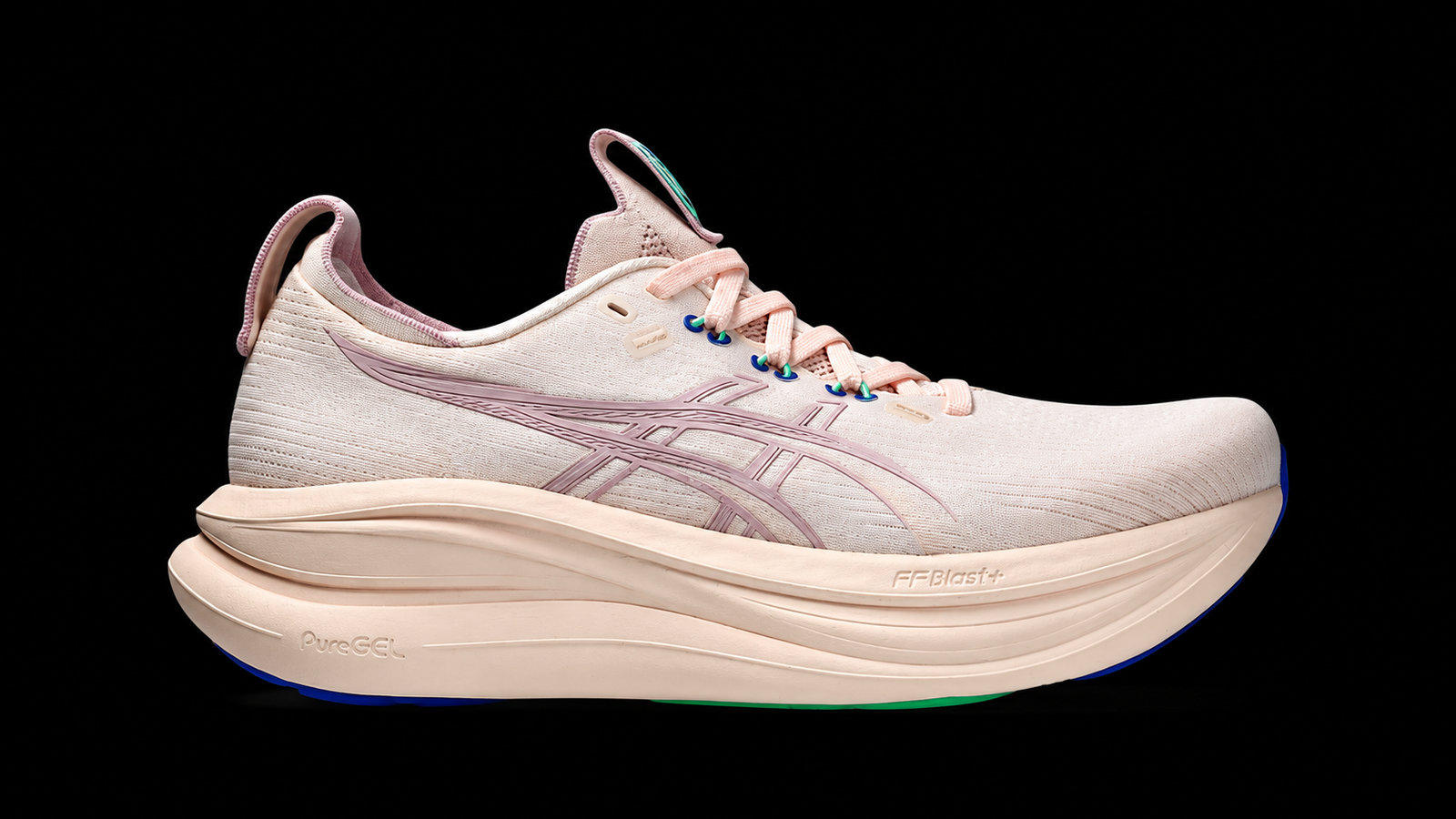
ASICS GEL-NIMBUS 28
This is the one I point first-timers to now, and it has quietly taken over from the Clifton in my own rotation. Asics wrapped it in enough soft, forgiving foam that a rough first month barely registers, and it is genuinely hard to land badly in.
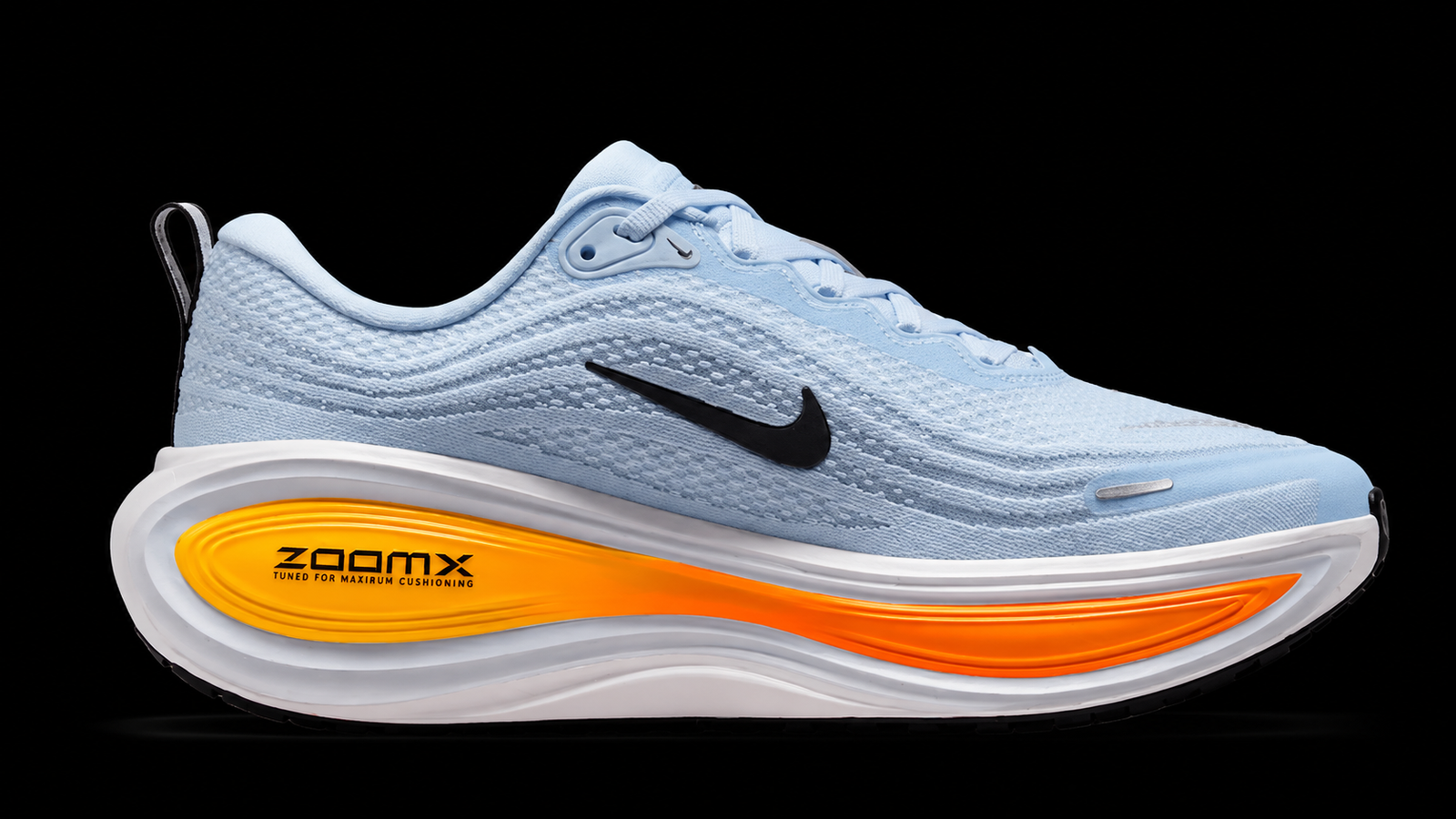
NIKE VOMERO PLUS
Nike's answer to the Clifton and the Nimbus, and the plushest shoe either of us owns. A full slab of ZoomX foam underfoot makes easy miles feel like they cost nothing — it is heavier than most trainers in this class, but that has never once been a problem on a slow morning.
What The Evidence Says
Studies on new runners keep landing in the same place: perceived comfort is the best available predictor of whether a shoe suits you, and worn-out or unsuitable footwear is repeatedly flagged as a leading cause of early beginner injury. Neutral is the correct default unless a gait analysis says otherwise — buying a stability shoe you do not need can create problems rather than prevent them.
THE MOST SHOE FOR THE LEAST MONEY.
I have written elsewhere on this site about making a £60 gear decision count, and shoes are where that bites hardest. Here is the honest position from UK testers: value peaks somewhere around £100–130. Below that you start losing cushioning that genuinely matters; above it you are paying for weight savings a new runner will not feel. Nobody reading this page needs to spend more than that.
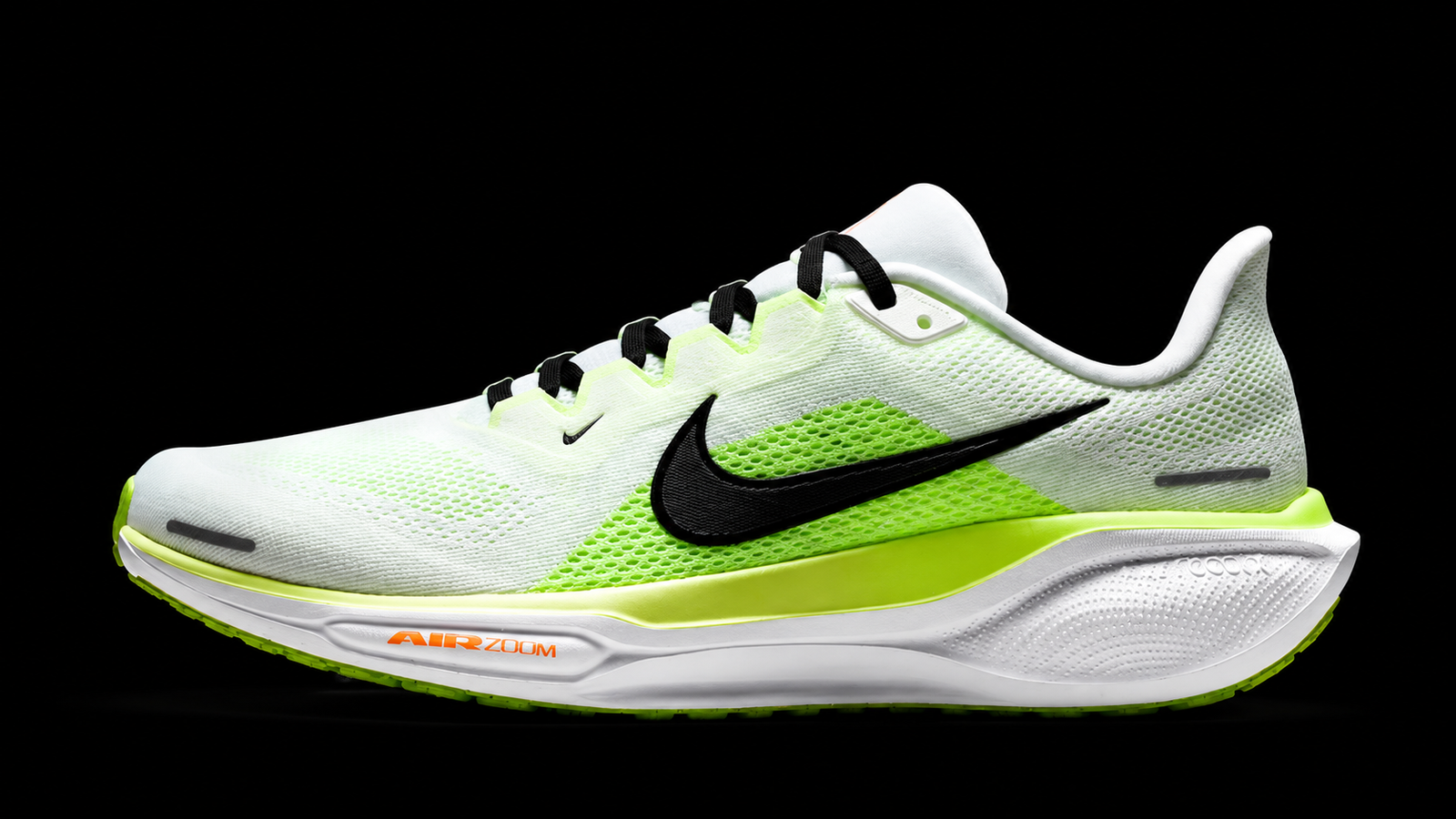
NIKE PEGASUS 41
Forty years of the same shoe getting quietly better, and the 41 is the version I would point a beginner to if they only ever buy one pair. It handles long runs, easy runs and the odd faster effort without complaint, and the ReactX foam survives more miles than it has any right to at this price.
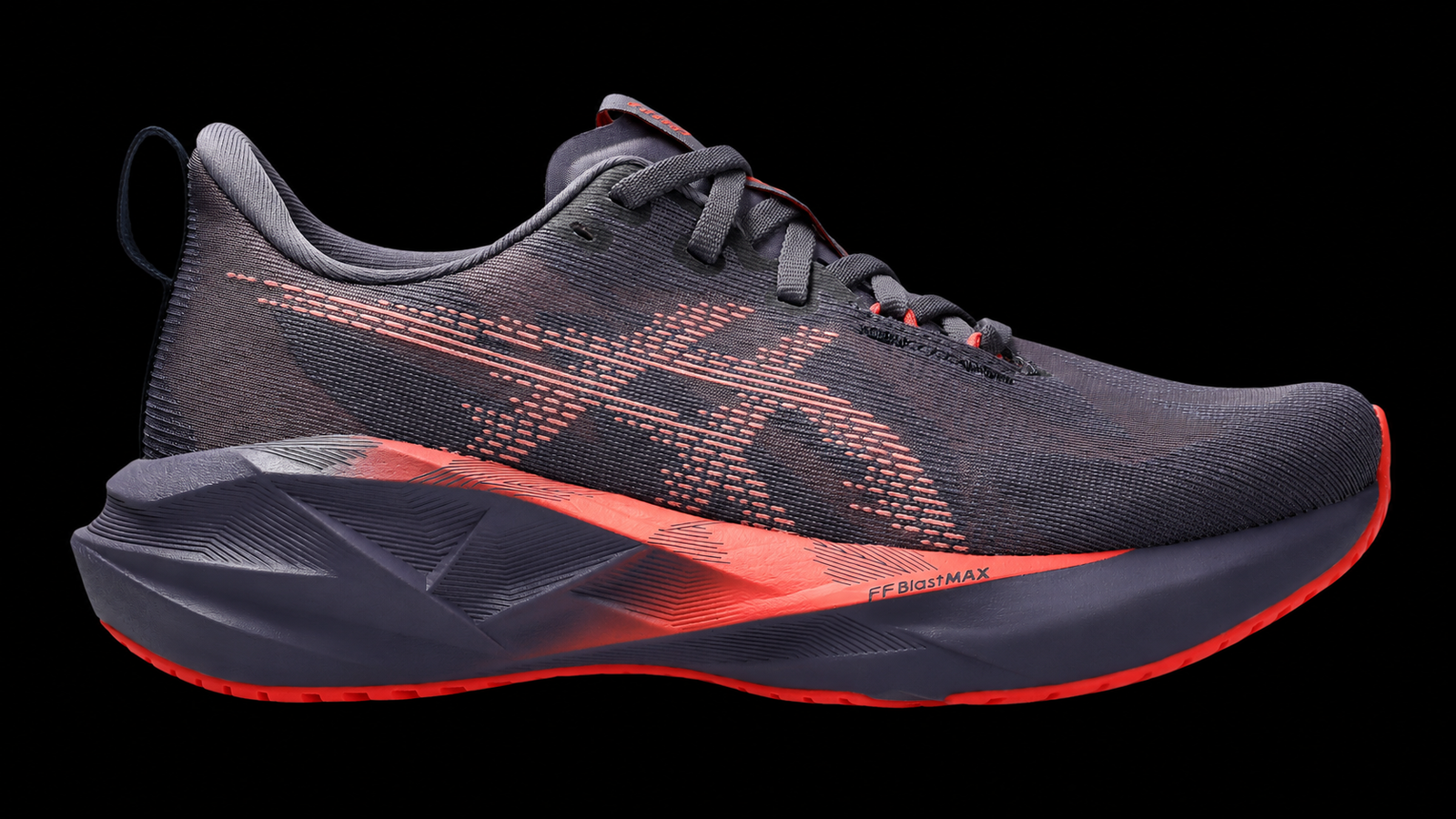
ASICS NOVABLAST 5
The shoe that made me stop recommending anything else in this price bracket. FF Blast Max foam gives it a genuinely fun, trampoline-ish ride that most £100 trainers cannot fake, and it holds up equally well over easy, long and moderately quick miles.
The Honest Maths
Cushioning breaks down at roughly the same rate regardless of price, so a £180 shoe does not last meaningfully longer than a £100 one. Replace on miles, not looks — 300 to 500 miles, which at three runs a week is six to nine months. Two sensible pairs a year beats one expensive pair run into the ground.
IF EVERY SHOE PINCHES.
My first black toenail came from sizing up instead of going wide, which meant my foot slid forward on every descent for two months. Sizing up is the wrong fix — what you want is a wide fitting. Feet also swell as you run, so leave a thumb’s width at the front, and expect to go about half a size up from your everyday shoe regardless of width.
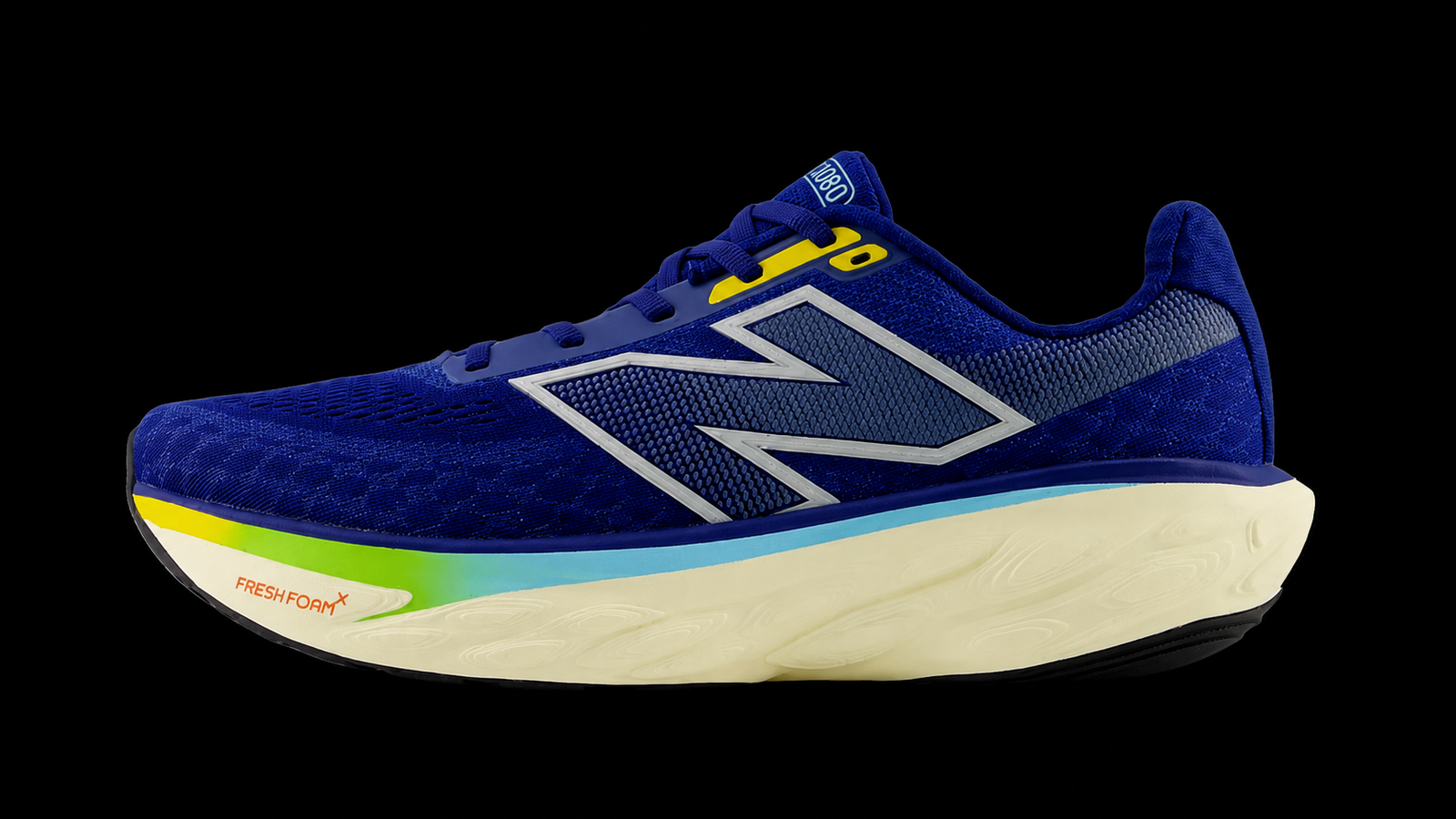
NEW BALANCE 1080 v14
New Balance has always taken width seriously, and the 1080 is the clearest example — proper wide and extra-wide options sit right alongside standard, not buried as an afterthought. The new Infinion foam also dropped a real chunk of weight over the last version, so you are not paying for room with a heavier shoe.
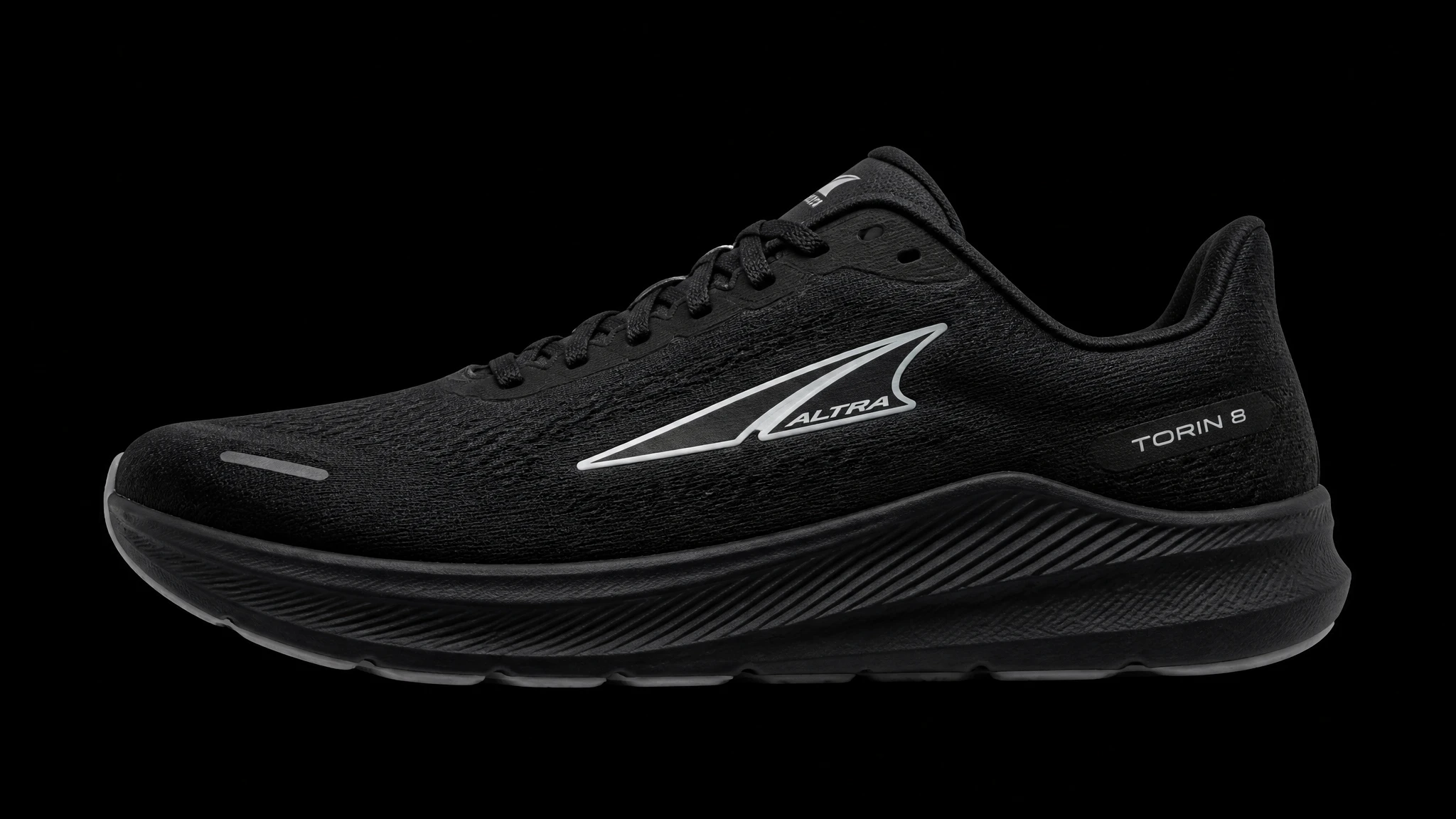
ALTRA TORIN 8
A genuinely different shape rather than just a wider version of a normal shoe — Altra's FootShape toe box lets your toes splay instead of being squeezed to a point, and independent testers consistently rate it the roomiest forefoot on the market. Zero-drop takes some adjusting to, so ease in rather than starting with a long run.
WHEN ONE RUN A WEEK IS MEANT TO HURT.
You do not need these to start, and I would gently suggest ignoring this whole section for your first six months. But the first time I did a tempo run in something light and springy after a year in a soft daily trainer, I understood what people meant — the session stopped feeling like wading. Think of it as the second pair, not the first.
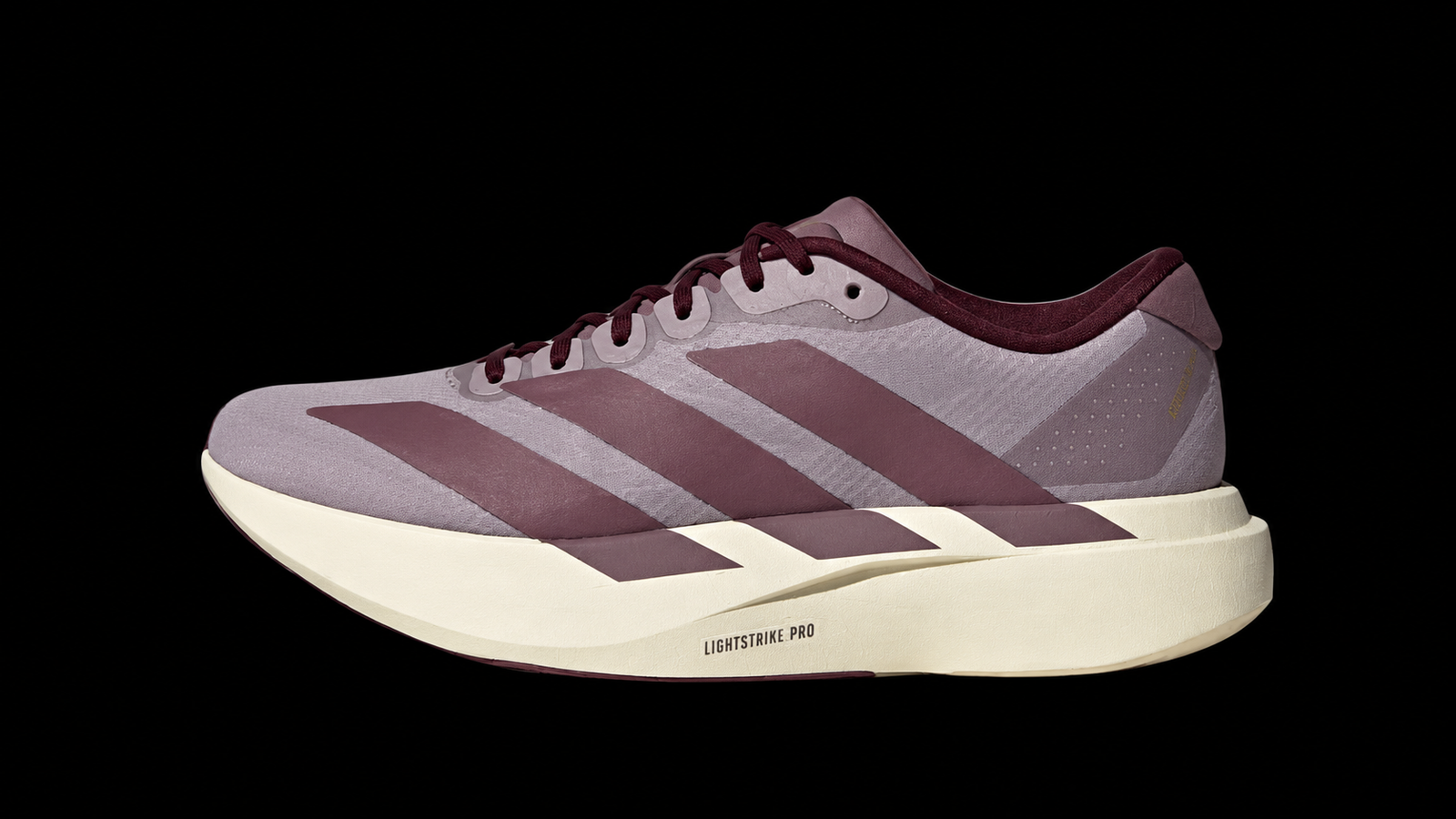
ADIDAS ADIZERO SL
My go-to the moment I want a session to actually feel like a session. Light, a touch firm underfoot, with a puck of Lightstrike Pro up front that wakes up the second you push the pace — versatile enough to also handle an easy day if it is the only pair in the bag.
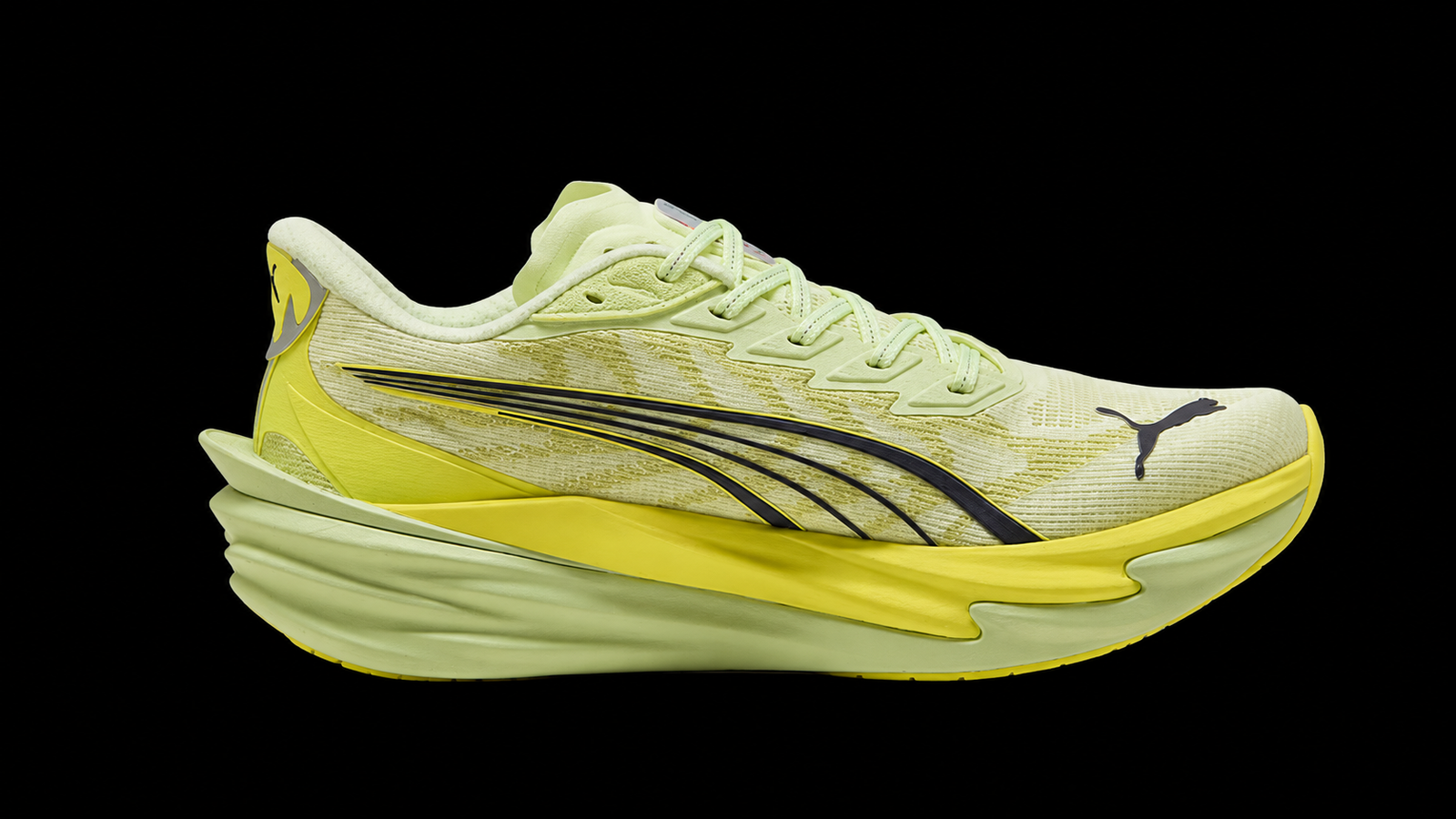
PUMA DEVIATE NITRO 4
A carbon plate in a shoe you can actually train in day to day, not just race in. Nitrofoam underfoot turns properly responsive once you pick the pace up, and the wider forefoot on this version fixed the one complaint I had about the last one.
SIX MONTHS OF WET PAVEMENT.
This is the category UK runners actually need and almost nobody writes about honestly. From October to April you are out in the dark on wet tarmac, and grip and dry feet do more for your consistency than any cushioning technology ever will. The number of runs I have skipped because my only shoes were still soaking from Tuesday is not a number I want to publish.
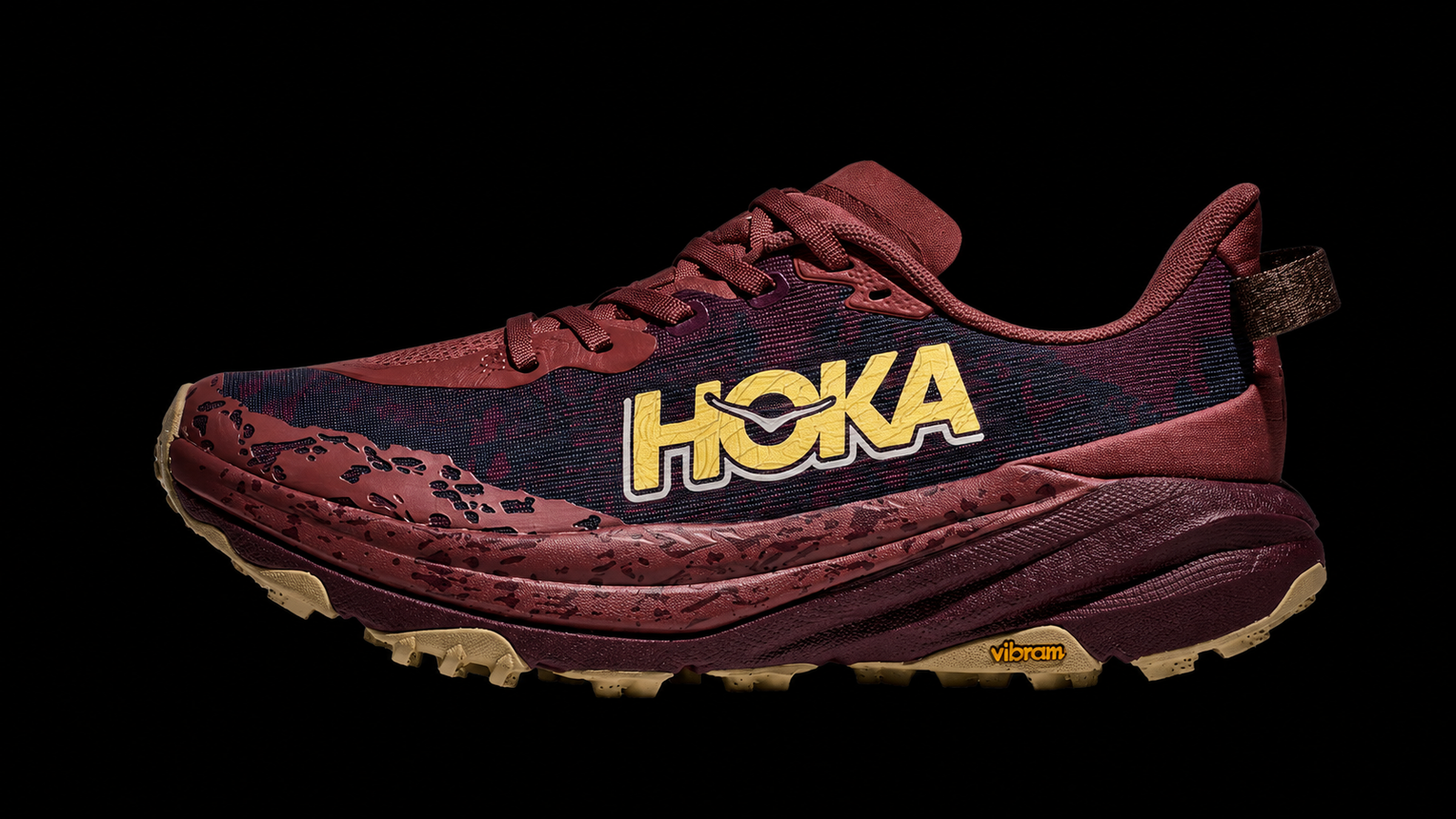
HOKA SPEEDGOAT 6
Still the shoe I reach for on a properly grim trail day, even with newer versions on the shelf. Vibram Megagrip and generous cushioning mean it copes with mixed terrain — mud, gravel, wet tarmac at either end of a route — without needing a second pair for the road bits.
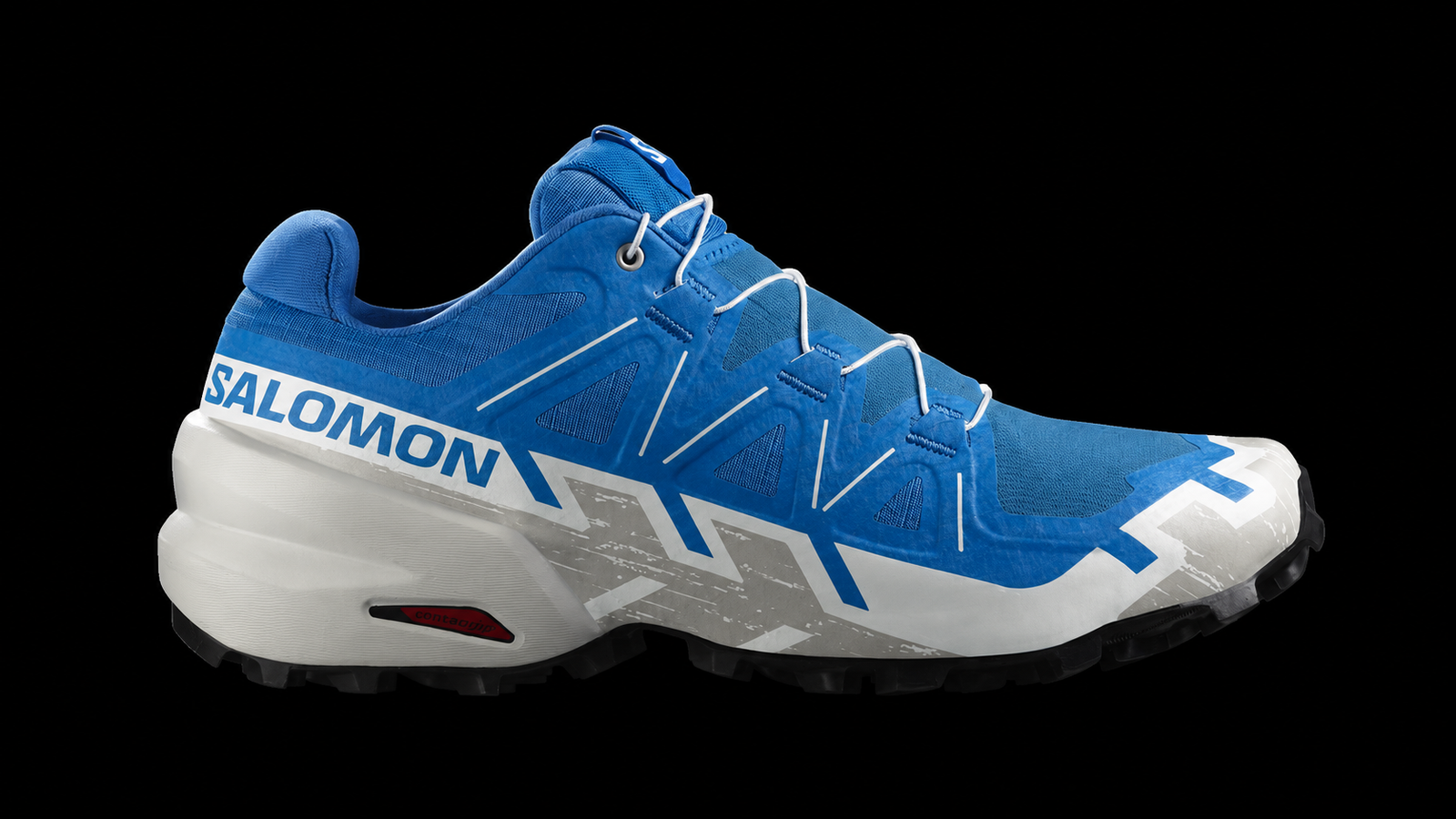
SALOMON SPEEDCROSS 6
Where the Speedgoat is the all-rounder, this is the specialist — softer rubber and deeper chevron lugs that bite into proper mud and wet grass in a way few other outsoles manage. Independent testers mark it down on hardpack and dry tarmac, so treat it as a second pair for filthy conditions, not your only trail shoe.
What Actually Makes A Shoe Grip
It is rubber coverage and channelling, not the marketing name. Exposed foam midsole gives the worst traction on wet flat surfaces — you want maximal rubber on the outsole with grooves that displace water the way car tyre channels do. Turn a shoe over before you buy: if there is a lot of bare foam on the contact points, it will be slippery in the rain.
CARBON PLATES — THE HONEST VERSION.
These are the most oversold shoes in running, and they also genuinely work — which is precisely why the marketing is so effective. Here is the part the adverts leave out, and you should read it before spending two hundred pounds.
What The Research Actually Found
A 2026 systematic review and meta-analysis put the average improvement in running economy at roughly 2 to 3% — below the famous “4%” headline. And the average hides the part that matters: benefits ranged from negligible for some runners up to about 6% for others, while close to 20% of participants were measurably worse in carbon shoes. One in five people gets nothing, or loses. There is no way to know which group you are in without trying.
So: worth it if you are chasing a specific time on a specific day and have trained enough for 2% to mean something. Not worth it as a first pair, not for easy running, and genuinely not worth it if your first marathon is about finishing rather than racing. The shoe is the last 2%. The training is the other 98%, and no plate has ever got anyone out of the door in week fourteen.
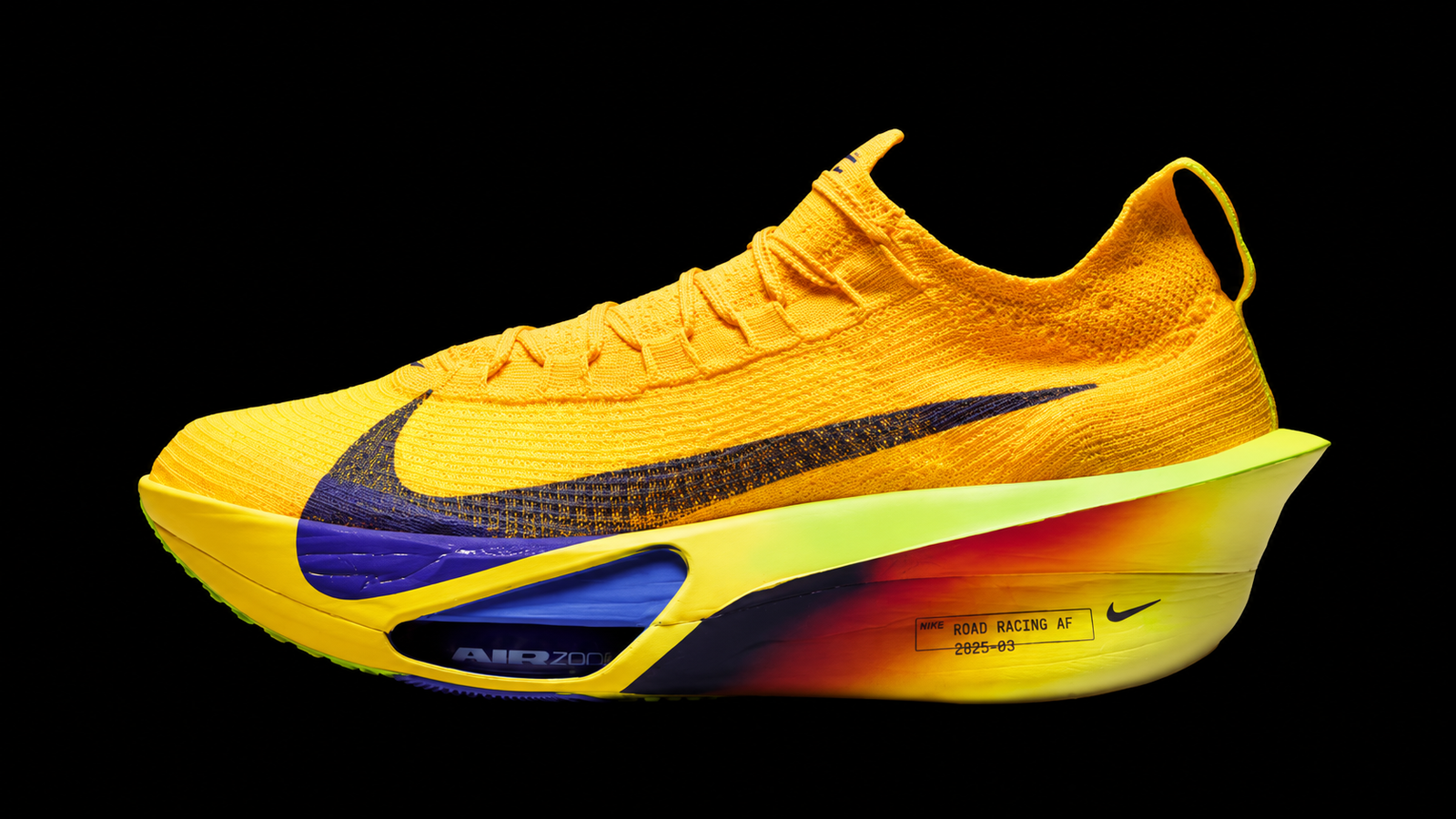
NIKE ALPHAFLY 3
The shoe I save for one day a year, and it earns that reservation. A full-length ZoomX midsole with dual Air Zoom units under the forefoot makes it the most protective super shoe on the market for long-distance racing — and it is roomier through the toe box than most rivals, which matters more than people admit by mile twenty.
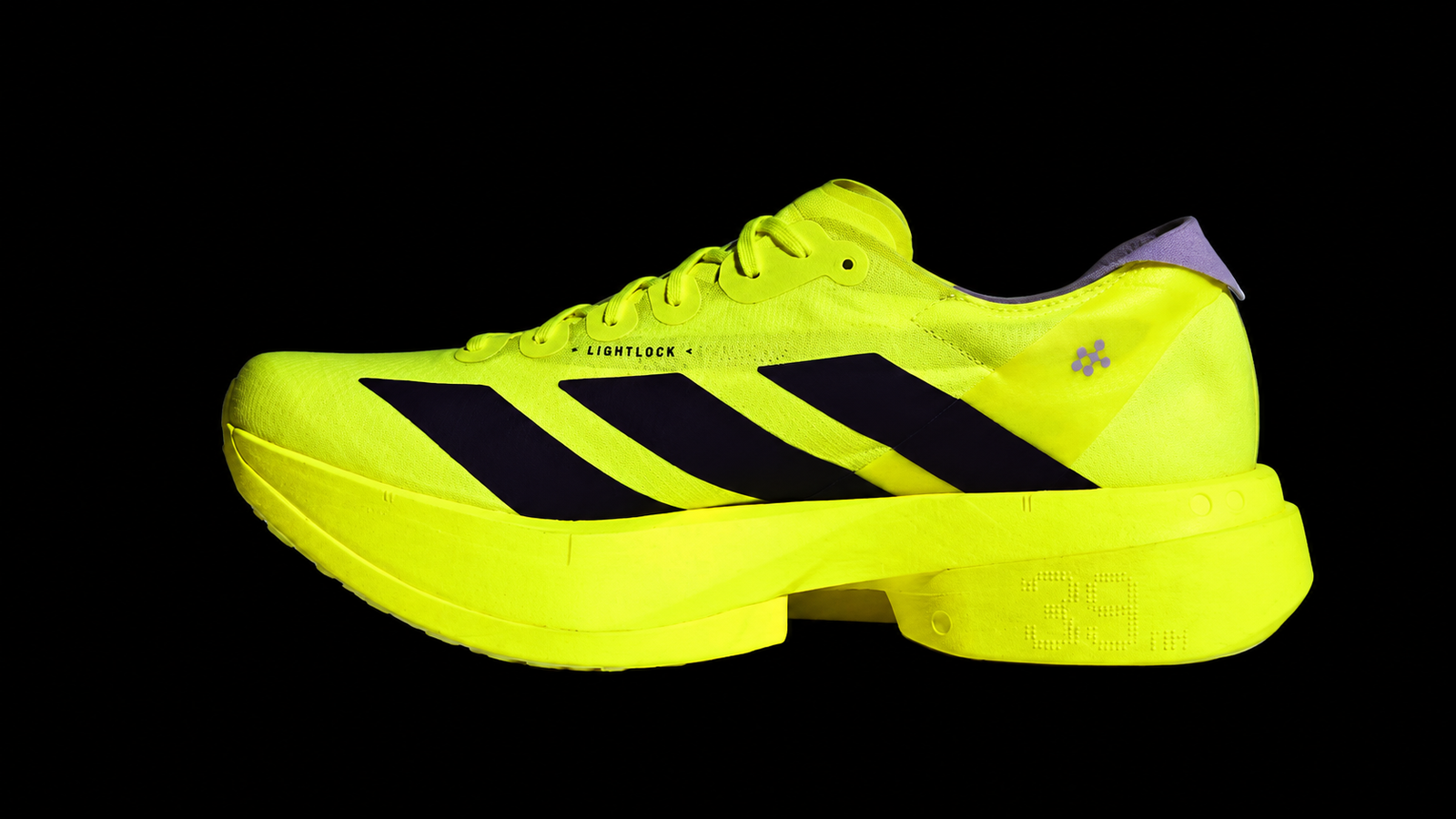
ADIDAS ADIZERO ADIOS PRO 4
The shoe independent testers reach for when the Alphafly's price tag stings — a genuinely fast super shoe for less, built for the same job on race day. The trade-off is a narrower, more demanding fit, so try it before race week rather than for the first time on the start line.