SUPPLEMENTS · NUTRITION · PERFORMANCE
WHAT ACTUALLY WORKS.
Honest supplement reviews with no brand deals — just what I actually take, test, and recommend, backed by the research rather than the marketing on the tub.
Personal · An Honest Confession
I HAD A CUPBOARD
I WAS SLIGHTLY ASHAMED OF.
At its worst there were fourteen things in it. I counted, once, and then felt sufficiently stupid that I did not count again for a year.
There was a fat burner I bought because the packaging was black and gold and looked serious. There was a pre-workout that made my scalp tingle so intensely the first time that I genuinely wondered whether I should sit down. There was a BCAA tub in a flavour called something like Blue Raspberry Storm, which I bought because a woman on Instagram with abs I will never have said she drank it during sessions. There was a greens powder I used four times.
And the honest, embarrassing centre of it: for about eighteen months I could not have told you what most of it was actually for. I knew the vibe of each one. Energy. Recovery. Fat loss. Those are marketing categories, not mechanisms. If you had asked me what the pre-workout was doing to my nervous system, or why I was drinking amino acids while already eating chicken twice a day, I would have made something up that sounded plausible.
What I could not tell you either — and this is the part that actually stung — was whether any of it was working. I was taking four things at once and had changed my training and my sleep at the same time. There was no way to know what did what. I had built a system with no way of ever getting an answer out of it.
This whole section of the site exists because of that cupboard. Everything on this page, I have taken, personally, one thing at a time, long enough to have an opinion. Most of what I tried, I no longer take. That is not a failure of the products. It is what happens when you finally start asking what something is for before you buy it.
PROTEIN
What is Protein and Why Does It Matter?
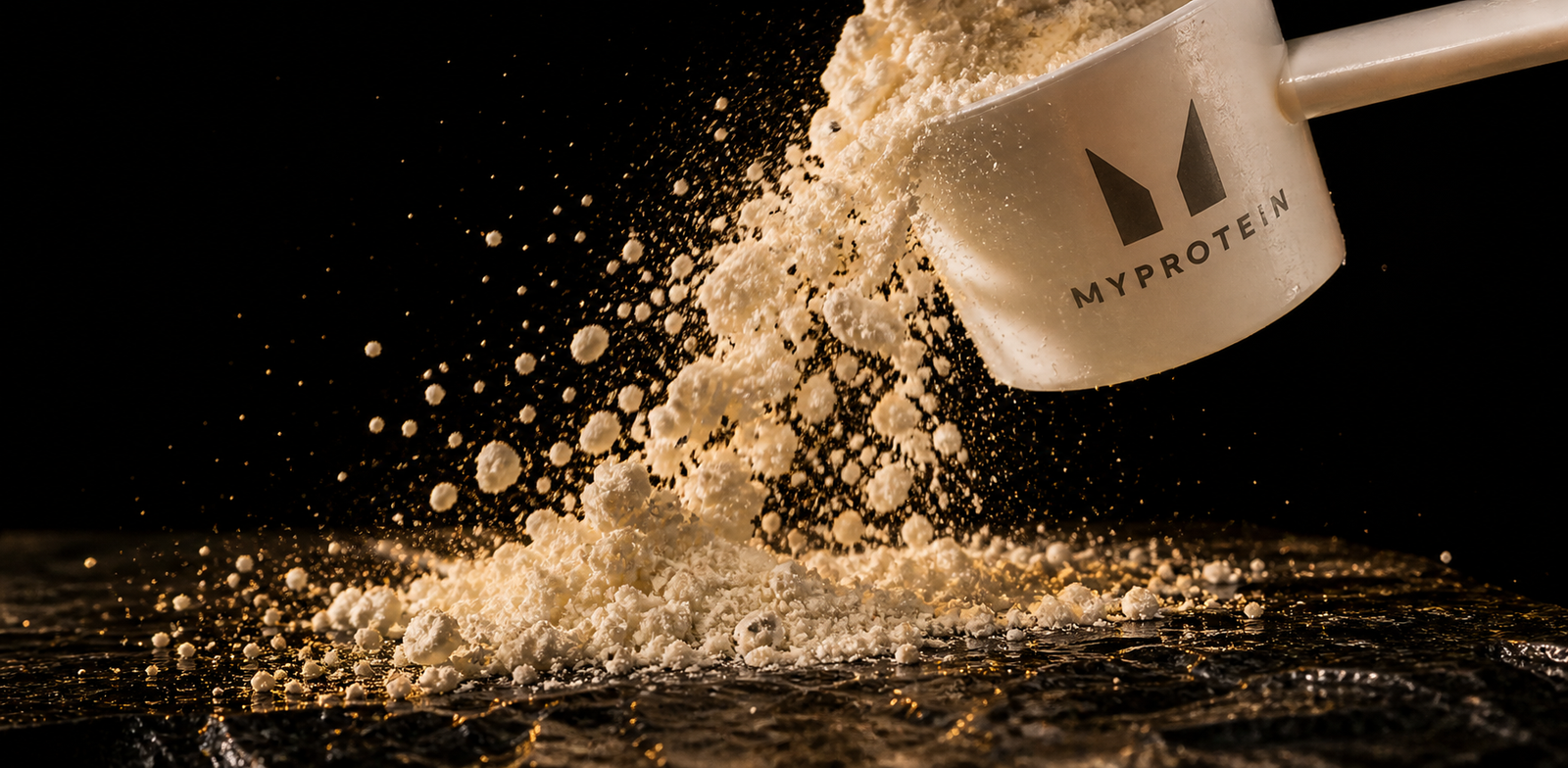
Protein is the one supplement that actually earns its place in every training bag. Your muscles break down during exercise and rebuild stronger — but only if you give them the raw material to do it. That raw material is protein.
How Much Do You Actually Need?
Most active women and men need between 1.6 and 2.2g of protein per kilogram of bodyweight daily. If you're training hard and not hitting those numbers through food alone, a protein supplement isn't a shortcut — it's just convenience.
Whey, Plant or Casein?
Whey is the gold standard: fast-digesting, complete amino acid profile, well-studied. If you're plant-based, a blended pea and rice protein gets you close. Casein digests slowly, making it useful before bed when your body does most of its repair work.
Will Protein Powder Make You Bulky?
No. That myth belongs on this site. What protein will do is help you recover faster, reduce muscle soreness, and make hitting your daily targets easier when you're working a full shift and trying to feed a family. Choose one with minimal additives and ignore anything with a celebrity on the label.
OUR PICK
The Practical Bit
NOBODY WARNS YOU
ABOUT THE SCOOP.
Five things I learned the irritating way, none of which appear on any label, all of which would have saved me money and at least one ruined gym bag.
THE SCOOP IS NOT A UNIT OF MEASUREMENT
This is the one that catches nearly everybody. There is no standard scoop size — across brands they run anywhere from about 20g to 40g, most commonly around 25–32g. So “one scoop” from your old tub and “one scoop” from your new one can differ by a third. Worse, some brands quietly define a serving as two scoops, so the impressive protein number on the front of the tub is for double what you are actually making.
LEVEL OR HEAPED CHANGES EVERYTHING
Check the label — some brands specify a level scoop, others a heaped one, and the difference between them can be 30 to 40 per cent of the serving. If you have ever wondered why your protein target refuses to add up on paper, or why a tub is emptying faster than the servings-per-container claims, this is usually why. A £10 kitchen scale settles the argument permanently: weigh it once, look at where that sits in the scoop, and never think about it again.
YOUR SCOOP IS AT THE BOTTOM. IT ALWAYS IS.
Nobody tells you this and everybody discovers it: the scoop is packed at the top of the tub in the factory, and then the powder settles during shipping, so it arrives buried somewhere in the middle. You will excavate for it with your hand, get powder up your forearm, and be mildly annoyed. Fish it out on day one and clip it to the rim, or keep it in a jar — leaving it buried in the powder also means it collects moisture from your hands and clumps the tub.
BUY THE SMALL TUB OF ANY NEW FLAVOUR
Flavour is deeply personal and deeply unreliable in reviews. Chocolate is the safest bet across almost every brand. Vanilla is the most versatile if you mix it into porridge or coffee. The dessert flavours — salted caramel, cookies and cream, anything with a pudding in the name — are lovely for three shakes and cloying by week two. I have thrown away more 2kg tubs of exciting flavours than I care to admit. Buy the smallest size first, always.
THE SHAKER RULES NOBODY GIVES YOU
Liquid in first, powder second — the reverse cements a layer to the bottom that no amount of shaking will lift. Cold water blends better than warm, which clumps whey almost instantly. Rinse it the moment you finish, because a shaker left in a gym bag overnight develops a smell that is genuinely permanent. And if a mesh ball or spring stays in a mixed shake for hours it will start to taste metallic — that is not the powder, that is the ball.
CREATINE
What is Creatine and Why Does It Work?
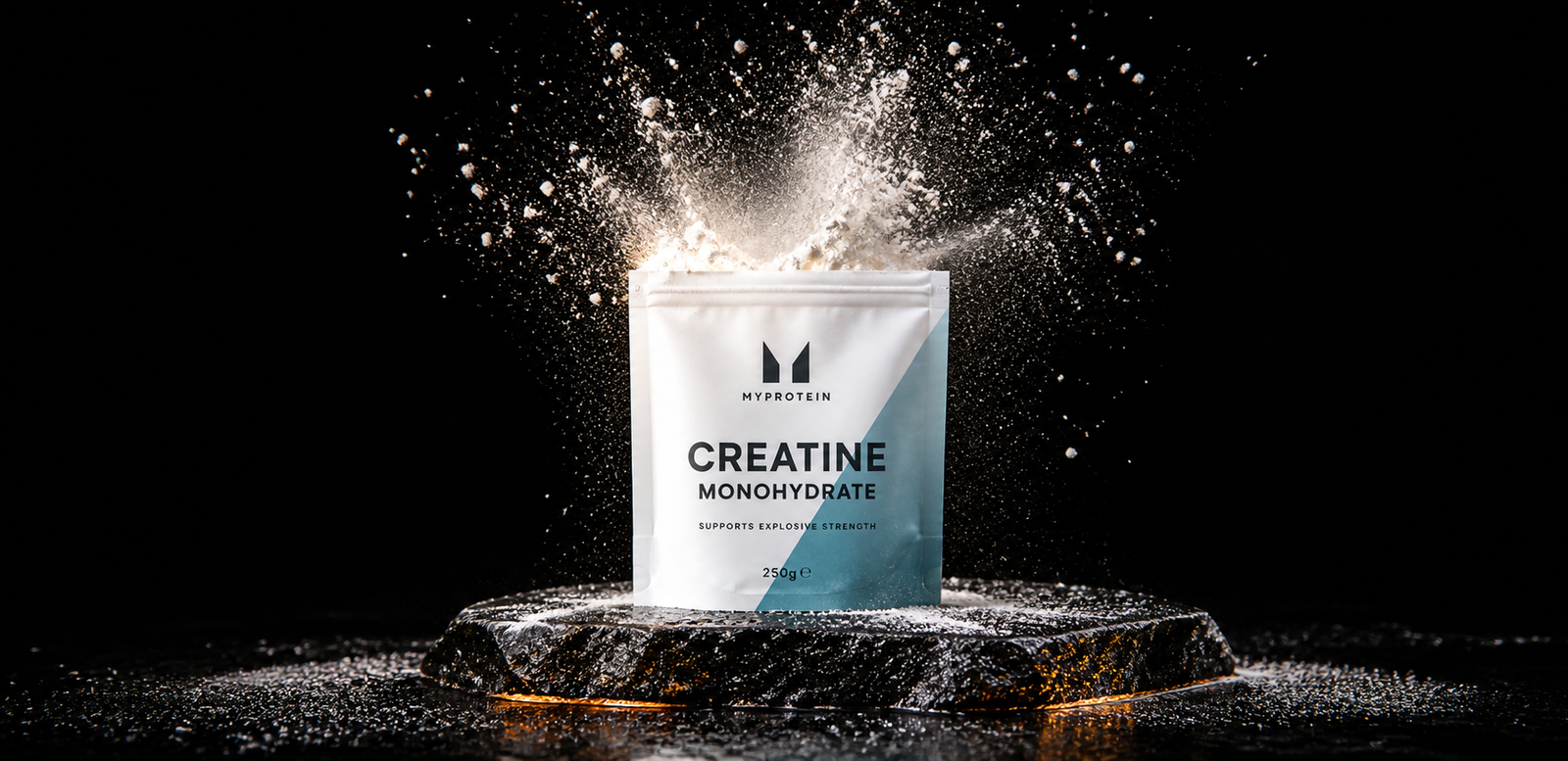
Creatine is the most researched supplement in sport. Not one of the most — the most. Your muscles use ATP for energy during high-intensity efforts. When ATP runs out, performance drops. Creatine phosphate helps regenerate ATP faster, which means you can push harder, for longer, before fatigue sets in. More reps, more power, better training adaptations over time.
How Much Should You Take?
Dose is straightforward: 3–5g of creatine monohydrate per day, every day. No loading phase needed. No cycling. No need for the expensive HCL version — monohydrate is the form used in virtually all research, and it's cheaper. Take it whenever is convenient. Timing matters far less than consistency.
Monohydrate vs HCL: Which Should You Buy?
Creatine HCL is marketed as more soluble and easier on the stomach. But research showing meaningful performance differences over monohydrate doesn't exist. You're paying a premium for a marginal difference in solubility. Creatine monohydrate wins. Buy a plain, unflavoured powder. The simpler the better.
Is Creatine Right for Women?
Women naturally have lower intramuscular creatine stores, which means supplementation has more room to make a difference. Emerging research also links creatine to cognitive function and mood. The bloating concern is largely overstated. If you train and you're not taking creatine, this is the one supplement worth adding first.
OUR PICK
VITAMINS & MINERALS
Why Active Women in the UK Need to Pay Attention
Supplements don't replace a good diet, but some gaps are genuinely hard to fill through food alone — especially for active women in the UK. Three stand out above the rest.
Vitamin D
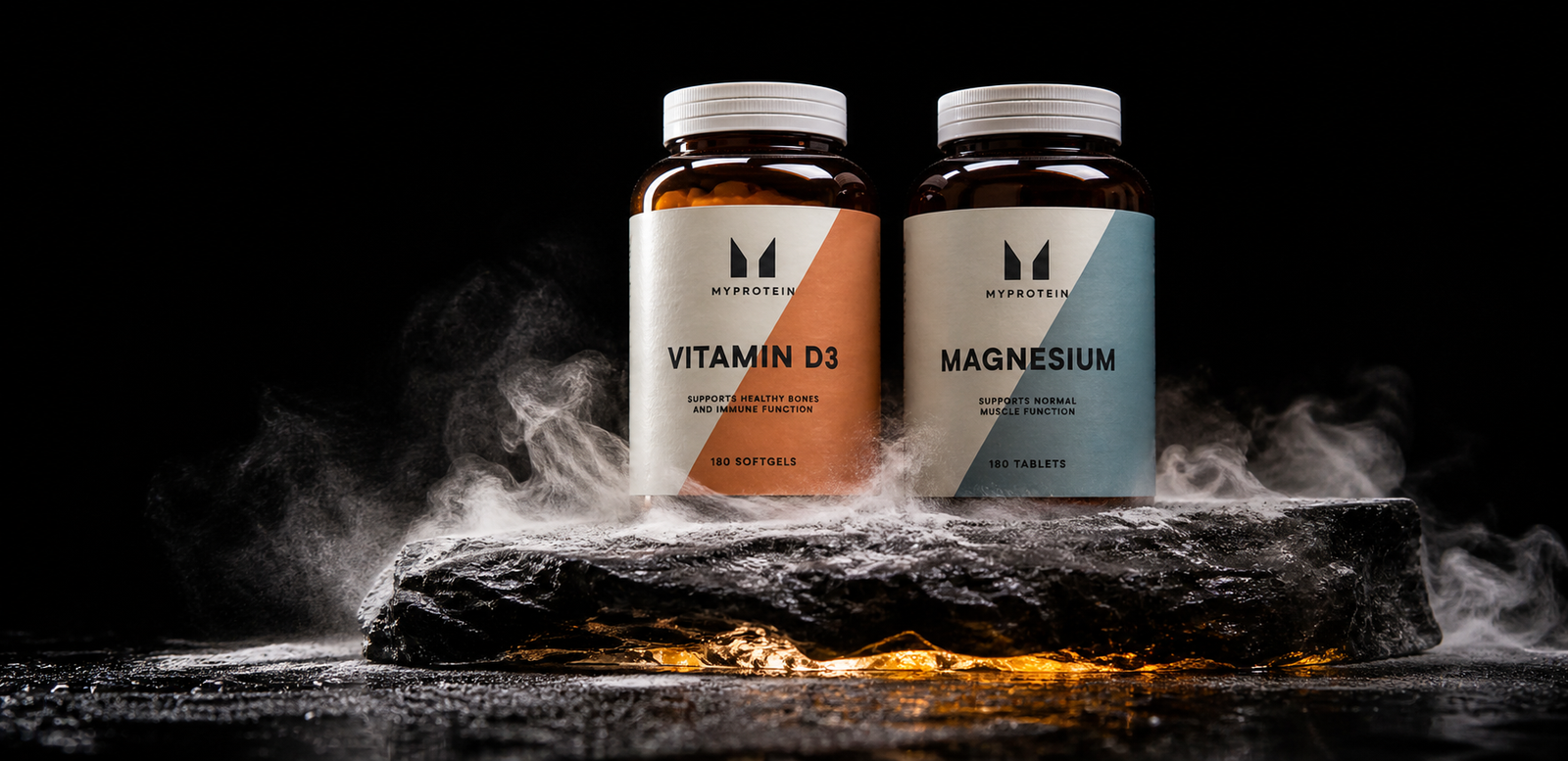
The UK doesn't get enough sunlight for most of the year to produce adequate Vitamin D levels. Deficiency is linked to low mood, fatigue, and impaired muscle function. Public Health England recommends 10mcg daily from October to March. If you train outdoors in winter, supplement year-round.
Iron
Heavy training increases iron loss through sweat and foot-strike haemolysis. Menstruating women are already at higher risk of deficiency. Symptoms — fatigue, breathlessness, poor performance — are easy to mistake for overtraining. Get your levels checked before supplementing.
Magnesium
Magnesium supports muscle function, sleep quality, and recovery. If your sleep is disrupted, you're cramping, or you feel wired but tired after training, magnesium glycinate in the evening is worth trying. It's cheap, safe, and effective.
OUR PICK
AMINO ACIDS
BCAAs vs EAAs: What's the Difference?
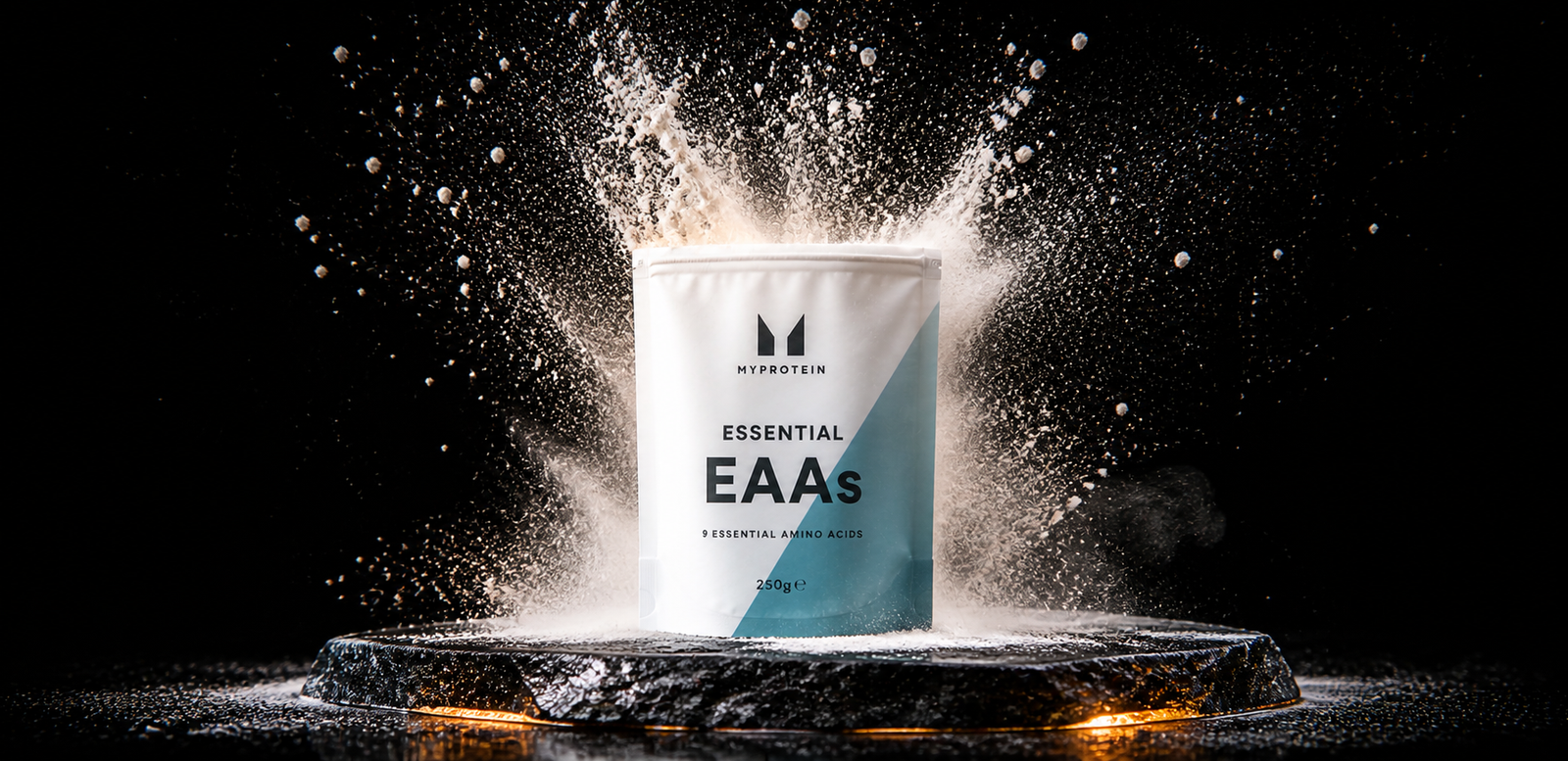
Amino acids are the building blocks of protein. BCAAs are three of them — leucine, isoleucine, and valine. EAAs are all nine essential amino acids your body can't produce itself. If you're choosing between the two, EAAs give you the full picture.
Do You Actually Need Them?
The honest take: if you're already hitting your daily protein targets, standalone amino acid supplements add very little. The research on BCAAs is underwhelming when protein intake is adequate. However, training fasted is one scenario where EAAs before a session can help reduce muscle breakdown.
When They Make Sense
If you're already dialled in on protein and looking for marginal gains, EAAs are better value than BCAAs. Look for a supplement with at least 2–3g of leucine per serving, and ignore anything marketed with vague claims about toning or lengthening muscle.
Timing
Take EAAs around your training session if you're using them fasted. Otherwise, total daily protein intake matters far more than when you take amino acids. Don't overthink it.
OUR PICK
PRE-WORKOUT
What Actually Works in Pre-Workout?
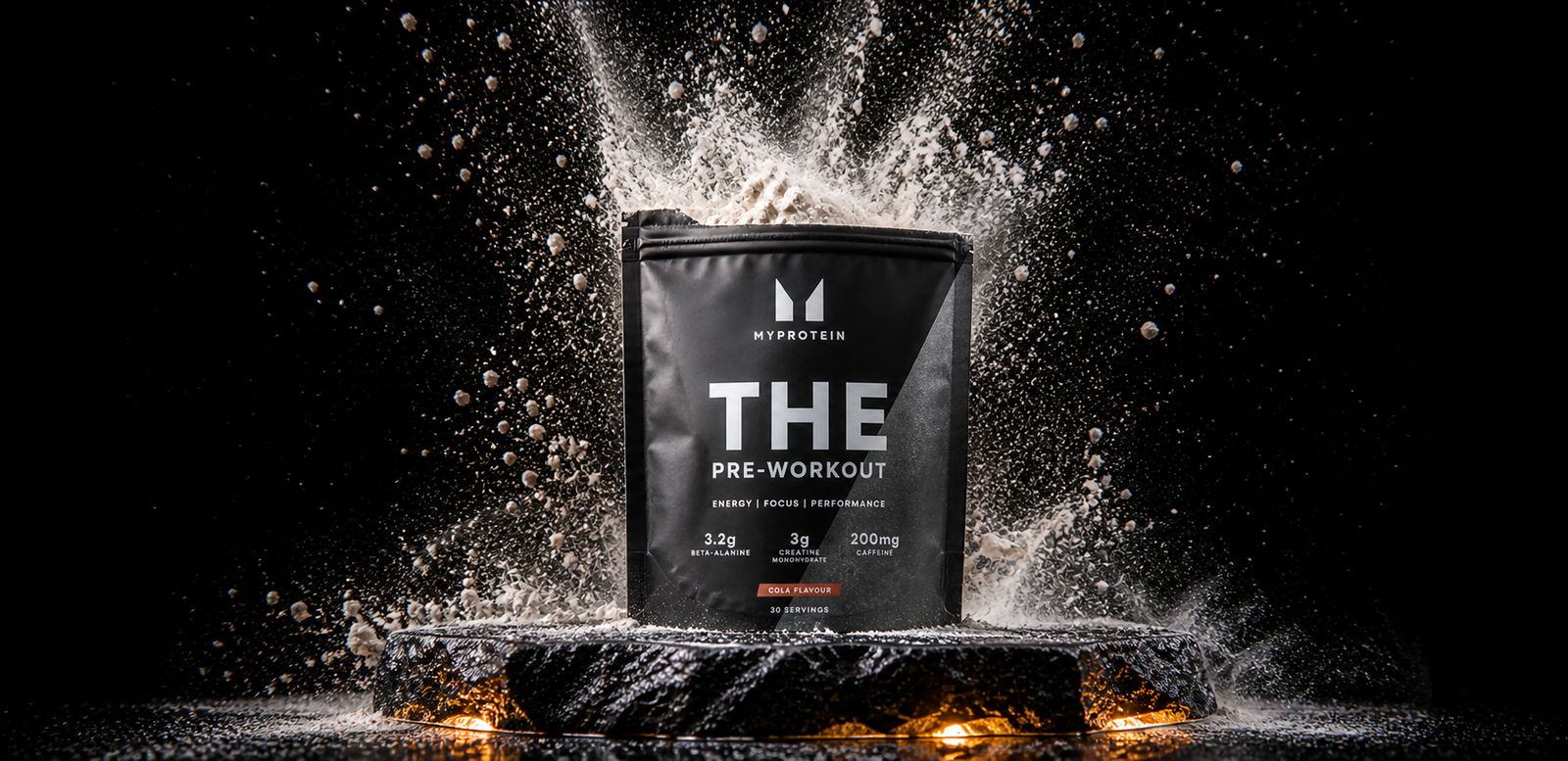
Pre-workout supplements range from genuinely useful to wildly overhyped. The ingredient that works is caffeine. It improves focus, delays fatigue, and increases power output. The research is solid. A dose of 3–6mg per kilogram of bodyweight is effective — for most women, that's 150–250mg.
The Problem with Most Formulas
Most pre-workout formulas bury the caffeine inside a proprietary blend alongside ten other ingredients in doses too small to do anything, while charging a premium for the packaging. Read the label. If caffeine isn't listed with a clear dose, move on.
Beta-Alanine and Citrulline
Beta-alanine causes the tingling and does have evidence behind it — it buffers acid build-up in muscles during high-intensity efforts, useful for boxing or interval running. Citrulline supports blood flow and is worth having. Everything else — the 'focus matrix', the 'neuro blend' — is mostly marketing.
If You Train in the Evening
A high-caffeine pre-workout will wreck your sleep. Opt for a stimulant-free version or just use black coffee. Sleep is more anabolic than any pre-workout on the market.
OUR PICK
FAT BURNERS
The Honest Truth
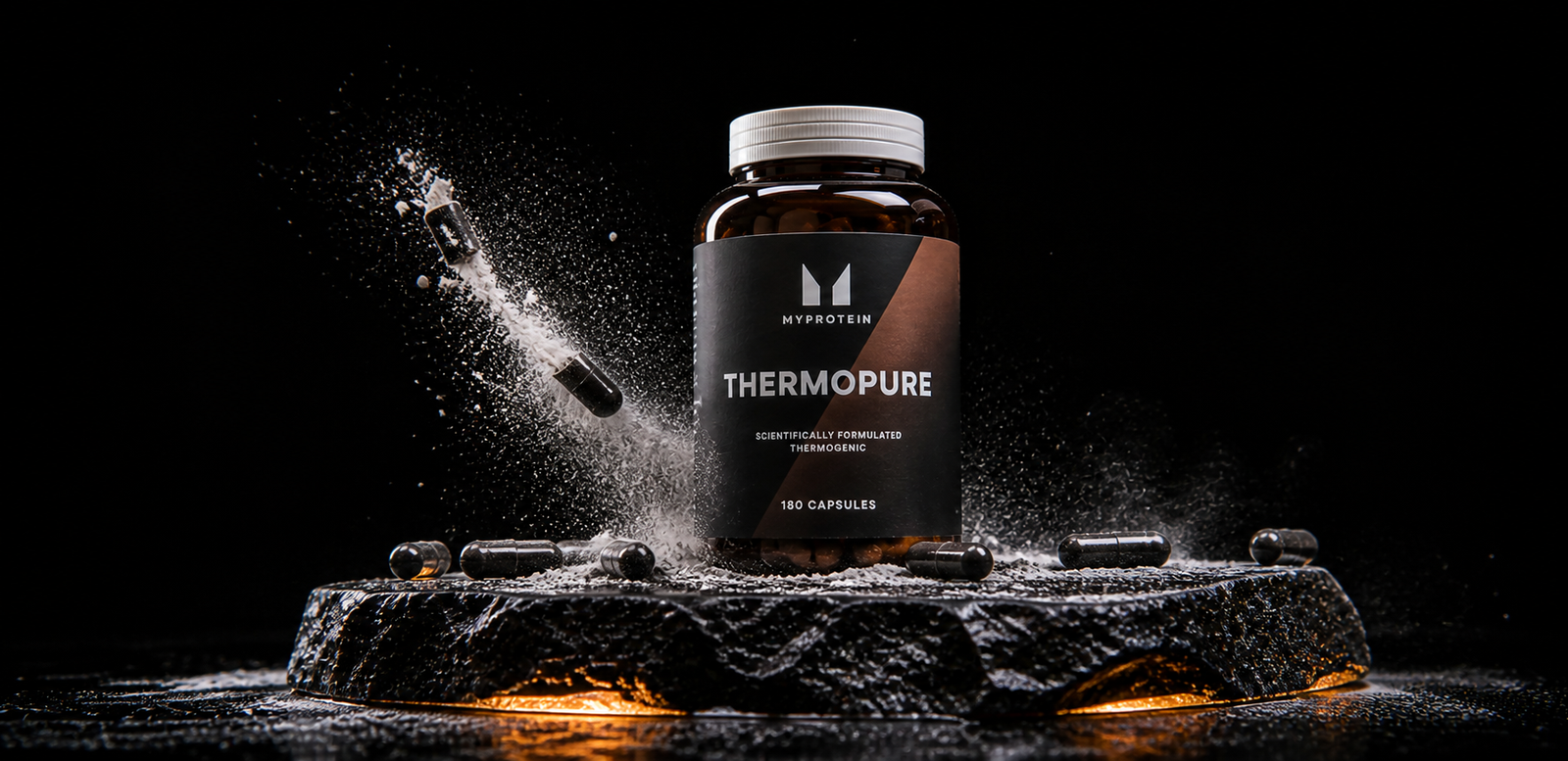
Fat burners are the most aggressively marketed and least effective category in sports nutrition. Most formulas contain caffeine — which does slightly increase metabolic rate — alongside ingredients like green tea extract, CLA, and L-carnitine. The caffeine is doing most of the work.
What the Research Actually Says
CLA shows modest effects in some studies, but the real-world impact on body composition is minimal. L-carnitine has a theoretical mechanism but the evidence for meaningful fat loss in healthy adults is weak. Thermogenic blends mostly work by raising your heart rate slightly — not by meaningfully accelerating fat loss.
What Actually Burns Fat
A sustained caloric deficit, combined with sufficient protein to preserve muscle. Training increases your deficit and improves your body composition over time. No supplement changes that equation significantly.
If You Still Want One
If a fat burner helps you feel motivated and you're aware it's mostly caffeine doing the work, it's not harmful. Just don't pay £50 for something doing the job of a £3 bag of coffee. Read labels, question claims, and put your money into food quality and training consistency first.
IF YOU MUST
The Part I Got Wrong For Two Years
I WAS BUYING SUPPLEMENTS
TO AVOID COOKING.
I did not see it at the time. I thought I was optimising. What I was actually doing was spending forty pounds a month on tubs so that I did not have to think about the significantly harder, significantly duller problem of what I ate every day.
The fat burners were the clearest example. I took them, on and off, for the better part of a year. They are mostly caffeine — and I already drank coffee, so I was paying a considerable premium for a slightly worse cup of it in capsule form. When I finally stopped, nothing happened. Nothing at all. That was the most useful result I ever got from a supplement.
The pre-workouts were more seductive because you can feel them, and feeling something is very easily mistaken for something working. The tingling is beta-alanine, and it is harmless and has nothing to do with the quality of your session. The lift is caffeine. I eventually worked out that I could get the same effect from a strong coffee thirty minutes before training, for about twenty pence, without the evening sessions wrecking my sleep afterwards.
And the diets. There were several. Some of them worked briefly and none of them lasted, and the reason was always the same: they were designed for someone with more time, more control over their week, and fewer other people to feed than I have. A diet you cannot run during a bad week is not a diet. It is a holiday from your actual life, and you always come home.
What actually changed things was boring beyond description. Enough protein, most days. Vegetables at most meals. Sleep treated as training rather than as the thing you sacrifice for training. Eating enough — genuinely enough — to fuel three sessions a week. No supplement on this page is a substitute for those four things, and anyone selling you one is selling you permission not to do them.
Supplements are the last five per cent. They are worth getting right, which is why this page exists at all. But they are the last five per cent of a thing you have to build first.
The Science
BULKING AND CUTTING —
WHAT THEY ACTUALLY MEAN.
These two words get thrown around as if everyone was issued a glossary. Nobody was. Underneath the gym vocabulary they describe something very simple: you cannot build tissue and remove tissue at maximum efficiency at the same time, so people take turns.
A deliberate energy surplus
BULKING
Eating slightly more than you burn so that training has raw material to build with. The key word is slightly. The evidence points to gaining 0.25–0.5% of your bodyweight per week — for a 65kg woman that is roughly 160–325g a week, from a surplus of only about 200–400 calories a day. Eat far beyond that and you do not build muscle faster; you simply add fat alongside it, because muscle growth has a speed limit and food cannot raise it.
A controlled energy deficit
CUTTING
Eating slightly less than you burn to reduce body fat while holding on to the muscle underneath. Research on trained athletes points to losing 0.5–1% of bodyweight per week, with protein taken up rather than down — often 2.2–3.0g per kg — and strength training maintained throughout. Go faster than that and an uncomfortable proportion of what you lose is the muscle you spent months building.
The reason they alternate is a genuine physiological constraint. Building muscle requires surplus energy and available amino acids; losing fat requires the body to pull energy out of storage. Trying to do both hard at once means doing both badly — which is why the traditional pattern is months of one, then months of the other.
With one important exception. Beginners can often do both at the same time. If you are new to lifting, returning after a long break, or carrying more body fat, your body will happily build muscle while losing fat for a while — this is called body recomposition, and it is the reason people who start training properly sometimes look dramatically different at the same bodyweight. It is a genuinely brilliant window, and it does not stay open forever.
Two things worth knowing that nobody puts on the front of a plan. The first is that during a bulk, training experience changes the split of what you gain — beginners tend to gain closer to half muscle and half fat, and the more advanced you are, the more the ratio moves against you. That is precisely why experienced lifters keep their surplus so small.
The Second Thing — And It Matters More
Under-eating is not a smaller version of dieting. It is a different state, and it has a name: Relative Energy Deficiency in Sport (RED-S). When energy availability drops too low — the research threshold is around 30 kcal per kg of fat-free mass per day — the body starts shutting down functions it considers optional. In women that shows up as disrupted or absent periods, falling bone density, poor recovery, low mood, and a thyroid response that makes everything harder.
One study found that just ten days of low energy availability was enough to impair muscle protein synthesis, reduce lean mass and disturb hormones. Aggressive cutting does not simply slow your progress. It actively dismantles the thing you were training for. If your periods change, your sleep degrades, or you are constantly cold and exhausted, that is not discipline working — that is a signal, and it is worth taking to a GP.
BMI CALCULATOR —
AND WHY IT LIES ABOUT LIFTERS.
Use it, by all means. But read what is underneath it first, because this number was never designed to describe a person like you.
BMI does not distinguish muscle from fat. A lean, muscular lifter can land in the "overweight" band on this scale alone \u2014 the number is a population-level screening tool, not a verdict on your body.
Here is the fact that changes how you should read that number. BMI was invented in the 1830s by a Belgian mathematician and astronomer called Adolphe Quetelet — a man who was not a doctor, was not studying health, and was not interested in individuals. He was trying to describe the statistical characteristics of the “average man” across whole populations. The formula was a tool for comparing groups.
It sat there for roughly 140 years until the American physiologist Ancel Keys gave it the name Body Mass Index in a 1972 paper, specifically praising it as convenient and easy for population studies. At no point in that entire history was it designed, tested, or intended as a measure of an individual person's health. It became one largely because it is free, requires no equipment, and fits on a form.
Which brings us to its most famous failure. BMI cannot distinguish muscle from fat, and muscle is around 18% denser — so the more of it you carry, the more the number inflates. One study across fourteen collegiate sports found that 34% of male athletes were classified as overweight or obese by BMI despite having body fat percentages in perfectly healthy ranges. In some sports the misclassification rate was around two thirds.
So if you have been lifting for a couple of years and your BMI has crept upward while your clothes fit better and your lifts have gone up, the number is not telling you something you missed. It is doing exactly what it was built to do, which is describe a population, applied to something it was never built for, which is you.
More Useful Than BMI
How your clothes fit over months. Whether your lifts are going up. Your waist measurement, which tracks health risk better than BMI does. How you sleep, how you recover, whether your energy holds through the afternoon. Photographs taken eight weeks apart in the same light. All of these tell you something real. BMI tells you the ratio of two numbers a Belgian astronomer found convenient in 1832.
Next
THE PART THAT MATTERS
MORE THAN ANY OF THIS.
Everything on this page is the last five per cent. The other ninety-five is food — and it does not have to be complicated, weighed, or joyless. I have put the actual numbers in one place: calorie and protein values for the foods I genuinely eat every week, portion sizes that make sense without a scale, and a simple eating structure you can run on a bad week as well as a good one.
Food, Calories & A Simple Plan →Myth: Protein Makes You Bulky →
Nothing on this page is medical or dietary advice. If you are pregnant or breastfeeding, managing a health condition, taking prescription medication, or have any history of disordered eating, please speak to your GP or a registered dietitian before changing how you eat or what you supplement.
WHAT YOU'VE BEEN TOLD IS WRONG
Myth Busted
PROTEIN POWDER WILL MAKE YOU BULKY
The most persistent myth stopping women from hitting their protein targets. Protein powder is food. It doesn't trigger bulk — excess calories and years of progressive lifting do.
Read More →Myth Busted
CREATINE IS BASICALLY A STEROID
Creatine is a natural compound already produced in your body and found in red meat. Steroids are synthetic hormones that mimic testosterone — not the same thing at all.
Read More →Myth Busted
THE MORE VITAMINS, THE HEALTHIER YOU ARE
Fat-soluble vitamins A, D, E and K accumulate in the body and can reach toxic levels. More is not better — it's often just expensive and occasionally dangerous.
Read More →