WHAT A BEGINNER ACTUALLY NEEDS.
Almost nothing, is the honest answer. Distance, time, pace, and a heart rate number you will mostly ignore for the first three months. Every watch on this page does that perfectly — the money above entry level buys analysis, not measurement. What genuinely matters at the start is that it locks onto GPS quickly and does not make you hate the doorstep.
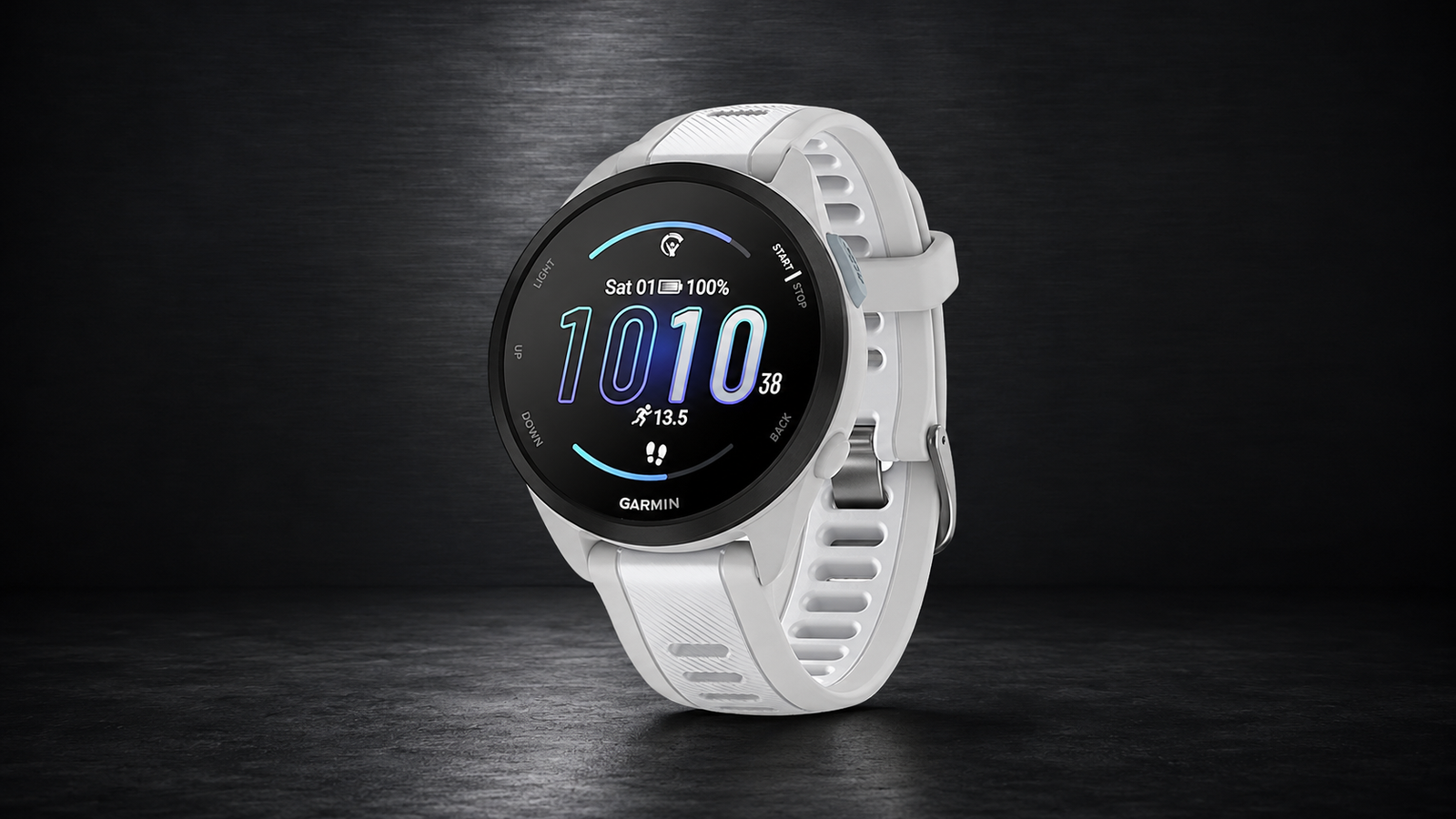
GARMIN FORERUNNER 165
The sensible default, and the one most running shops point beginners towards. A bright AMOLED screen, proper Garmin running features and genuinely long battery life — without the training-load rabbit hole you do not need in month one. It grows with you further than its price suggests.
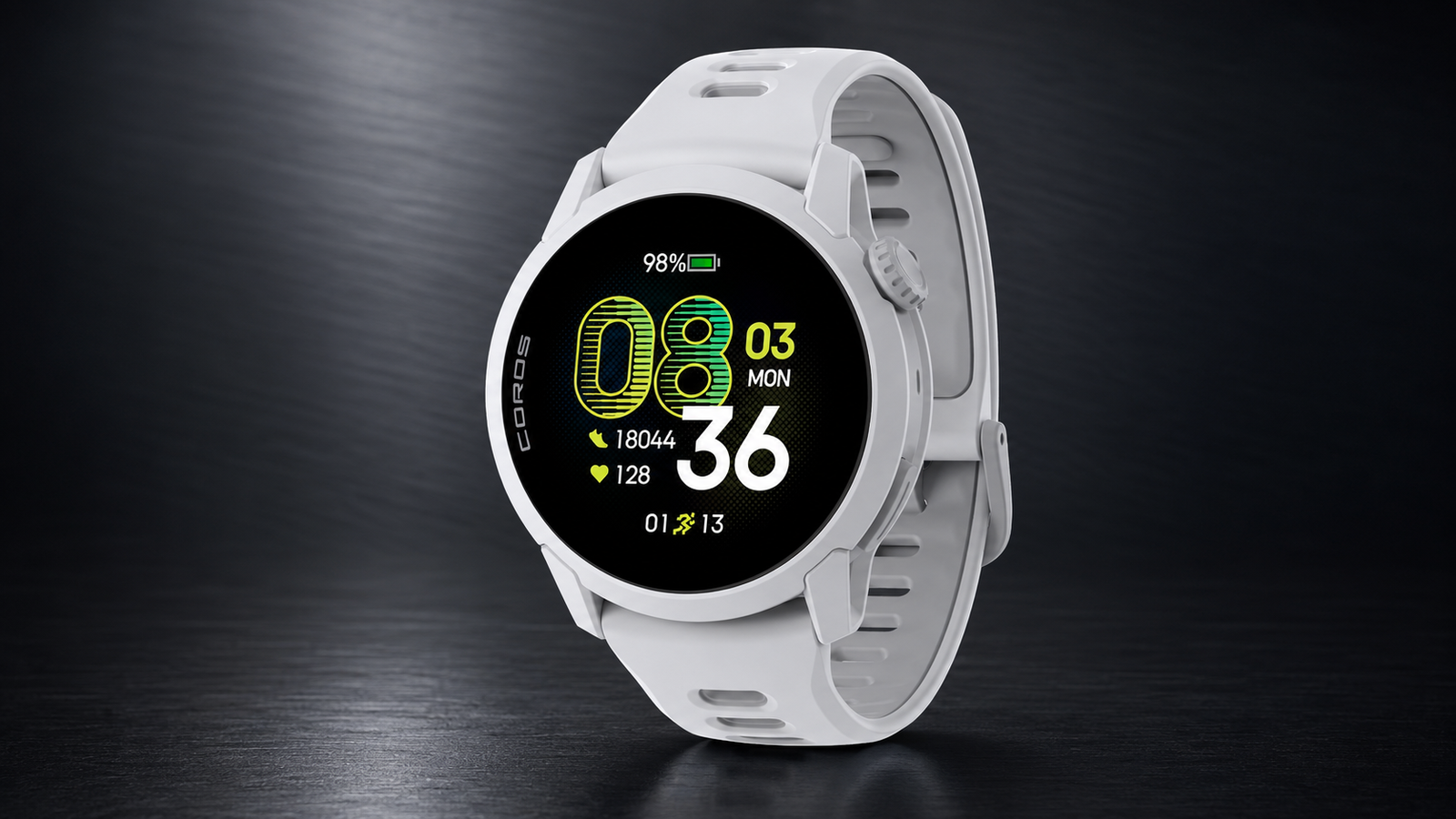
COROS PACE 4
The one that quietly beats Garmin at its own price point. 32 grams — light enough that you forget it is there — an AMOLED screen, and battery measured in weeks rather than days. If charging things is the sort of admin that defeats you, this is a genuinely different experience.
What A Watch Cannot Do
It cannot tell you how fit you are, and it cannot make you fitter. Every “readiness” and “training status” score is an estimate built from heart rate, sleep and activity — useful as a trend across weeks, close to meaningless on any single morning. If the watch says you are unrecovered and you feel fine, you are fine. Trust the body over the number.
THE MOST WATCH FOR THE LEAST MONEY.
This is where the biggest gap between price and usefulness sits in the whole of running. The measurement — distance, pace, heart rate — is essentially identical from the cheapest GPS watch to the most expensive. What you pay more for is screen quality, battery, maps and interpretation. Decide honestly which of those you will use before spending.
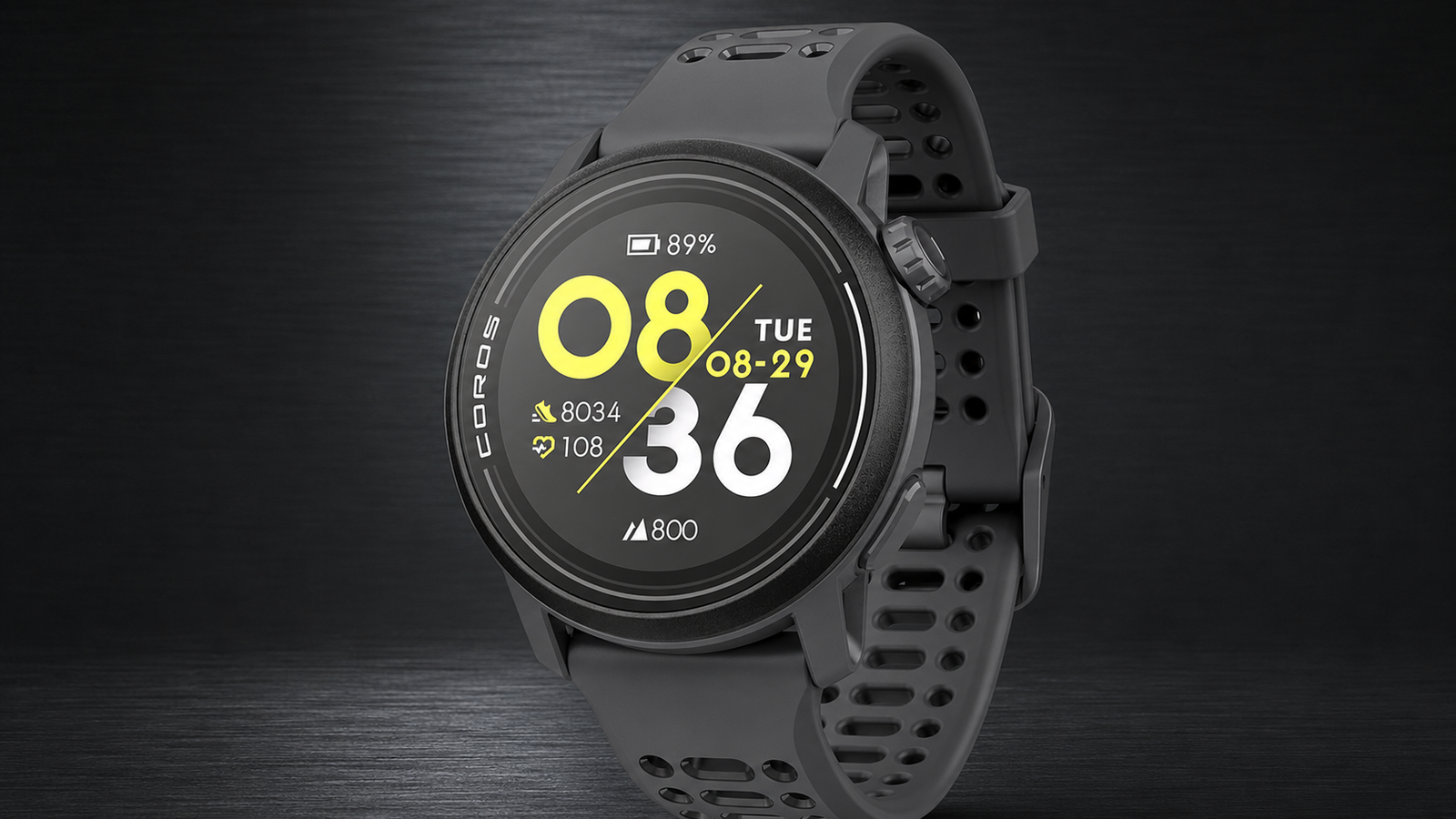
COROS PACE 3
The value benchmark everything else gets measured against. Reviewers put it at roughly 90% of a premium watch’s usefulness for about half the money, with multi-day battery that makes it a favourite among ultra runners. Nothing about it is glamorous. Everything about it works.
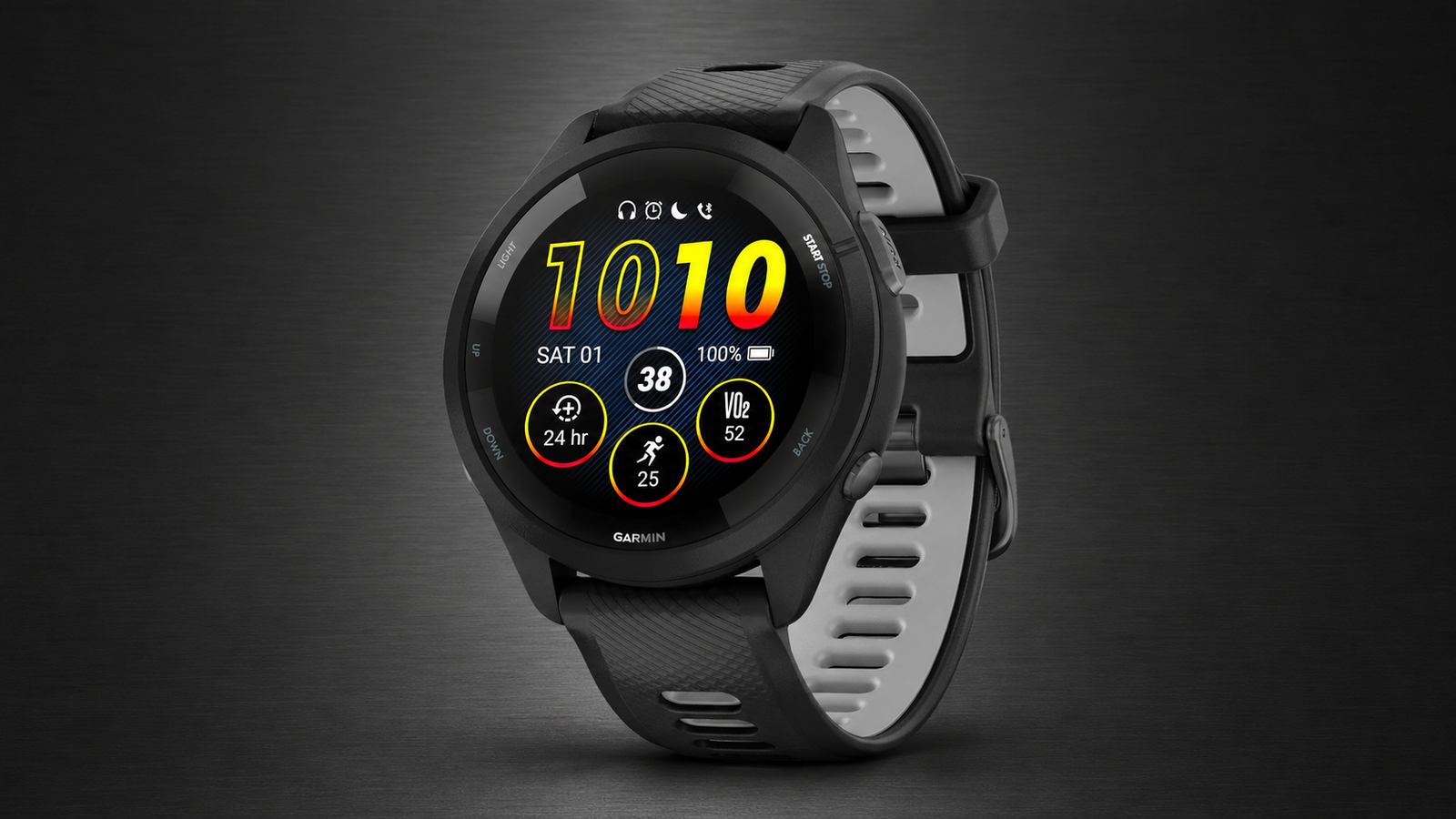
GARMIN FORERUNNER 265
Now the previous generation, which is exactly why it belongs here. You get Garmin’s full training analysis — load, recovery, race predictions — at a price that keeps falling as the newer models arrive. The sweet spot for anyone who wants the data without the flagship bill.
IF IT LOOKS LIKE KIT, YOU WILL TAKE IT OFF.
This is the section I needed and could not find anywhere, so here it is. I do not want to wear something that looks like a piece of sports equipment to work, to the school gate, or out for dinner. And a watch you take off after your run stops measuring the eighteen other hours — the sleep, the resting heart rate, the stress — which is where most of the useful information actually lives.
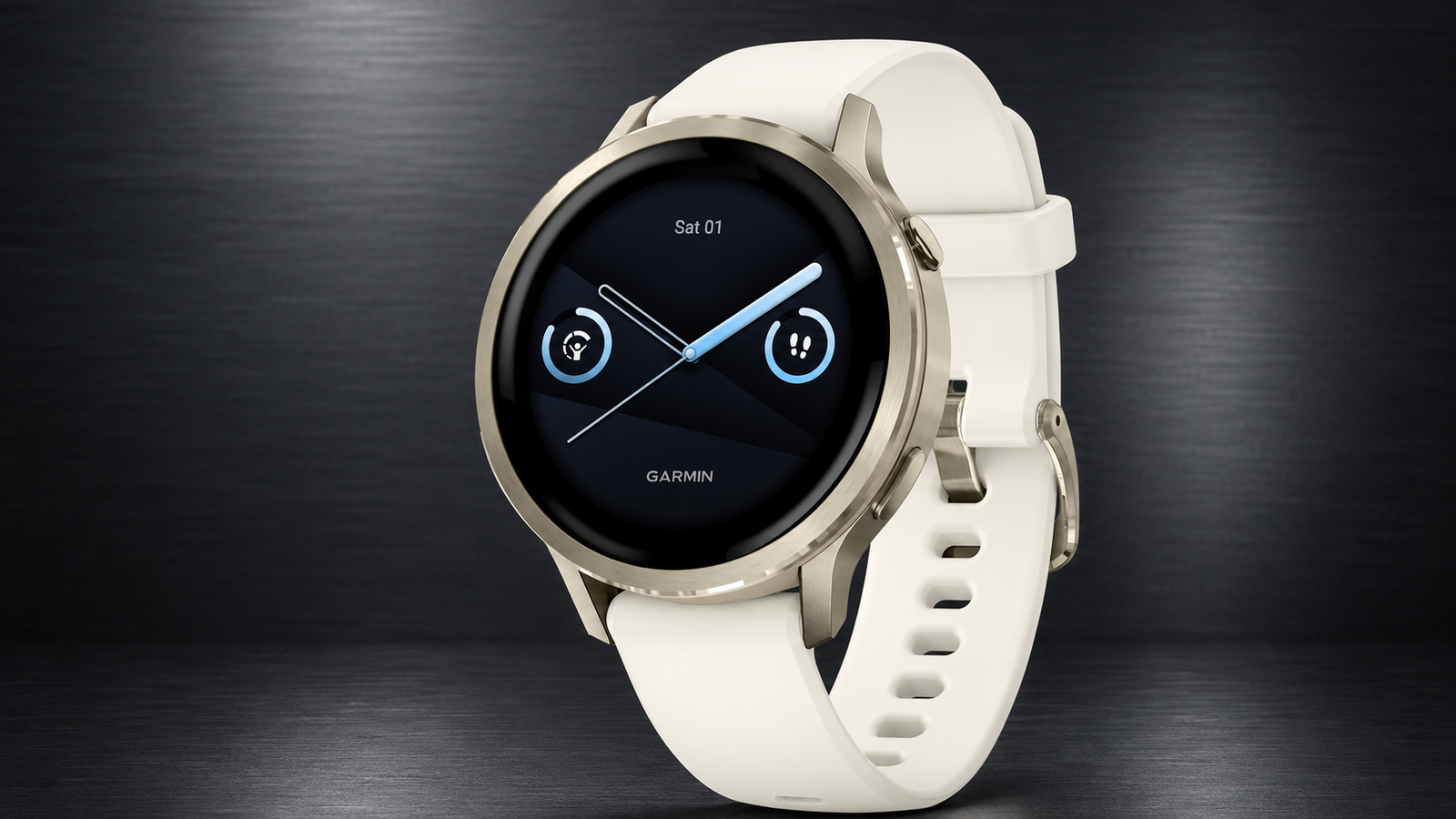
GARMIN VENU 4
This is the one on my wrist, and it solved a problem I had stopped expecting anyone to solve. It shares the serious hardware with the performance Forerunners — the same dual-frequency GPS, the same altimeter, the same running features — in a case that does not announce itself. It goes to work. It goes to dinner. It also tells me my long run pace was optimistic.
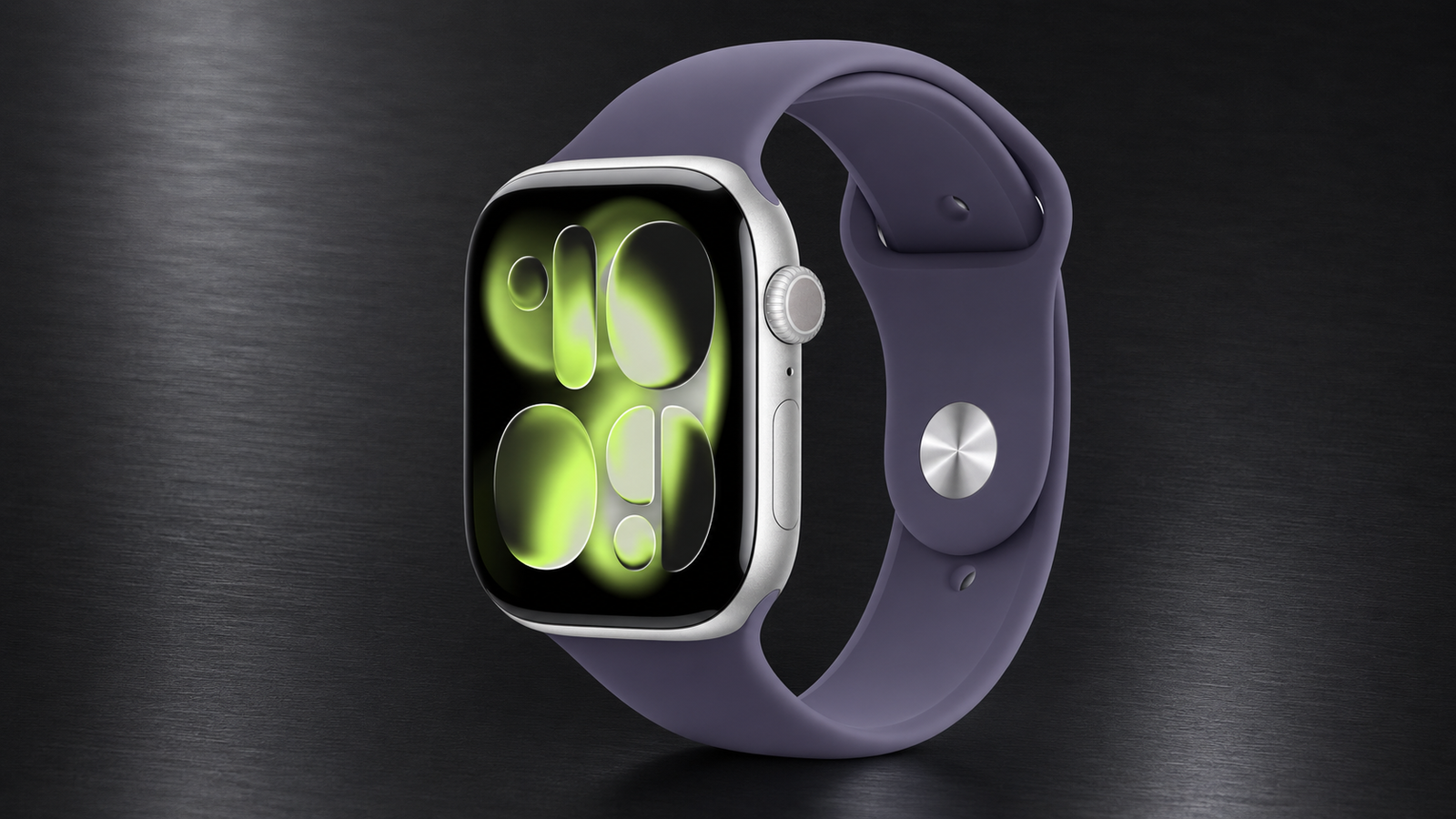
APPLE WATCH SERIES
If you already live in an iPhone, the argument for anything else gets weaker every year. Reviewers now put it as excellent for casual and moderate runners, and it does everything else in your life — messages, payments, the school reminder you would otherwise miss. For a lot of people that is the honest right answer.
A Note On Case Sizes, Not Genders
Running watches are sold in case sizes, not men’s and women’s versions — the internals are identical. Pick by the width of your wrist, not by which shelf it sits on in a shop. The smaller case suits most wrists under about 16cm and sits flatter under a sleeve; the larger case gives a bigger screen and usually more battery. If you are between the two, the smaller one is the one you will actually keep wearing.
WHEN THE NUMBERS START TO MEAN SOMETHING.
There is a point — usually around your first half marathon block — where you stop asking “how far did I go” and start asking “can I do this again on Thursday”. That is the question the expensive watches answer. Training load, recovery time, race predictions: all estimates, all imperfect, but genuinely useful once you have enough weeks of data for the trend to mean anything.
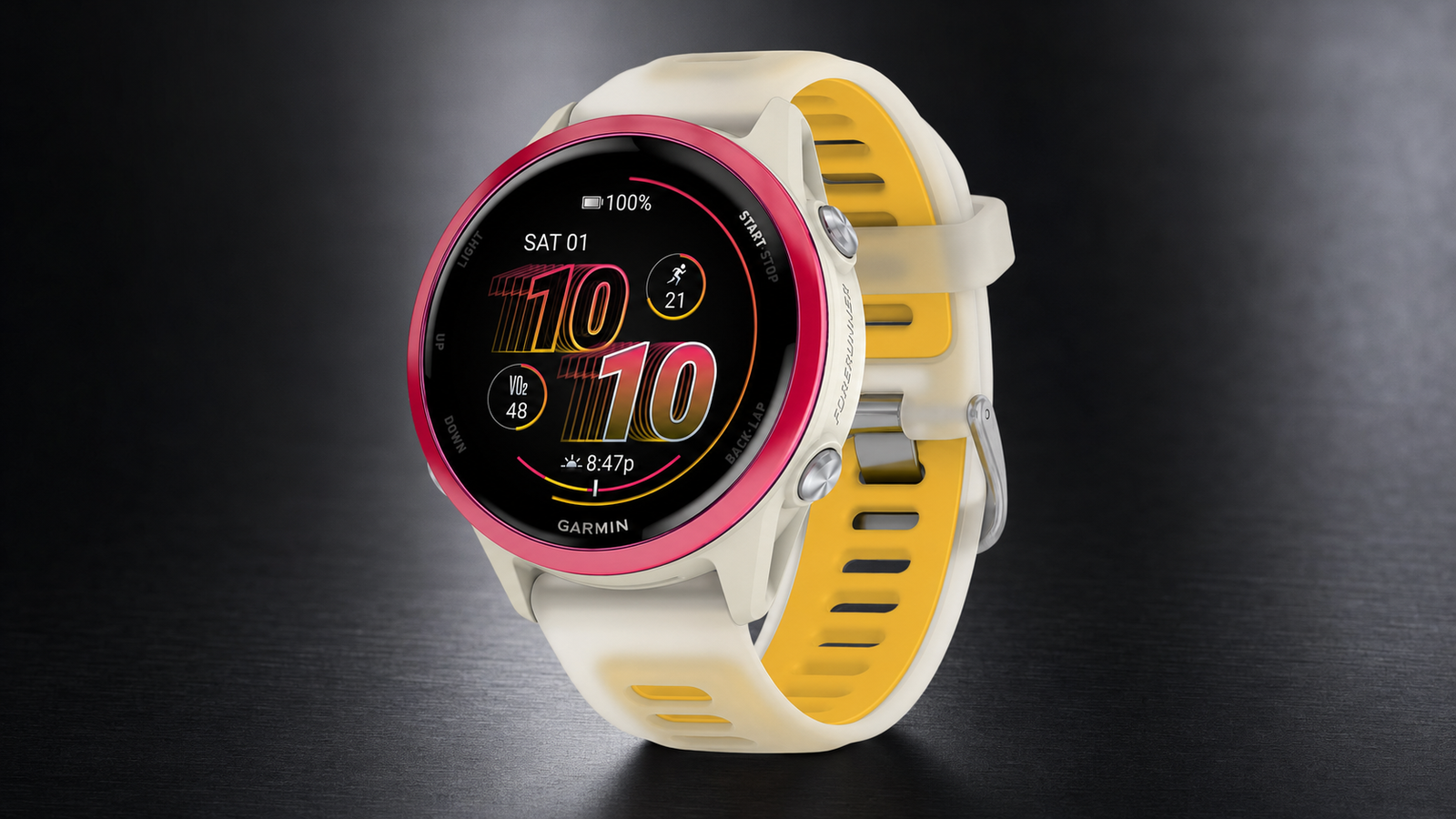
GARMIN FORERUNNER 570
The middle of the serious range and, for most committed amateurs, the sensible stopping point. Garmin’s newest heart rate sensor, a brighter screen, around eleven days of battery and Bluetooth calling — genuinely accurate tracking with the full training suite, without the flagship price.
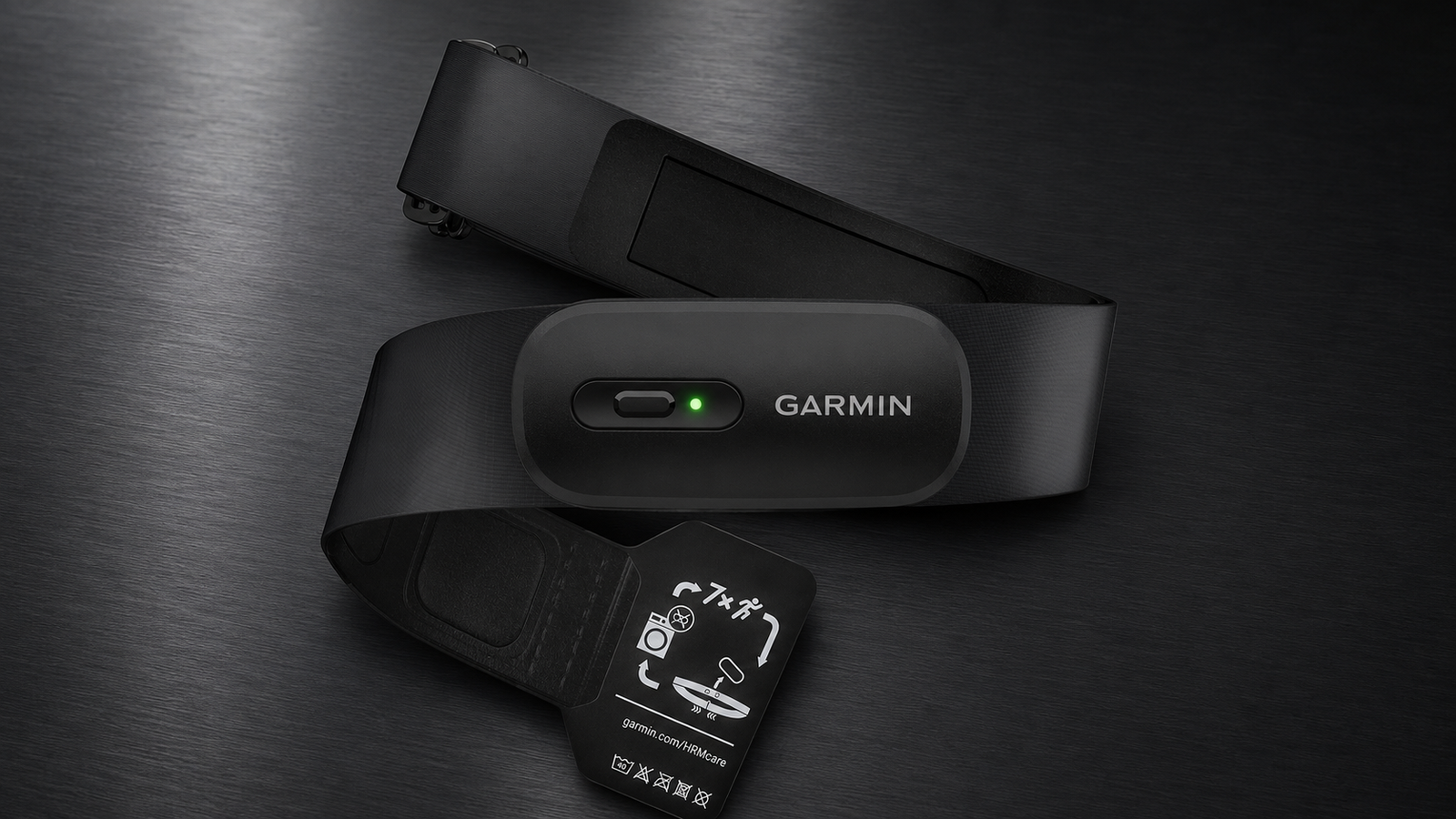
ADD A CHEST STRAP INSTEAD
Before you spend another two hundred pounds on a watch, spend forty on a strap. It is the single cheapest way to make the watch you already own measurably more accurate — and it unlocks the running dynamics that people upgrade watches to get. Full detail in the heart rate section below.
WHEN BATTERY BECOMES THE SPEC.
For most people this section is aspirational, and that is fine — I am including it because if you are going to spend flagship money I would rather you knew what you were buying. Above a certain point you are not paying for better measurement. You are paying for maps, battery and not having to think about it.
GARMIN FORERUNNER 970
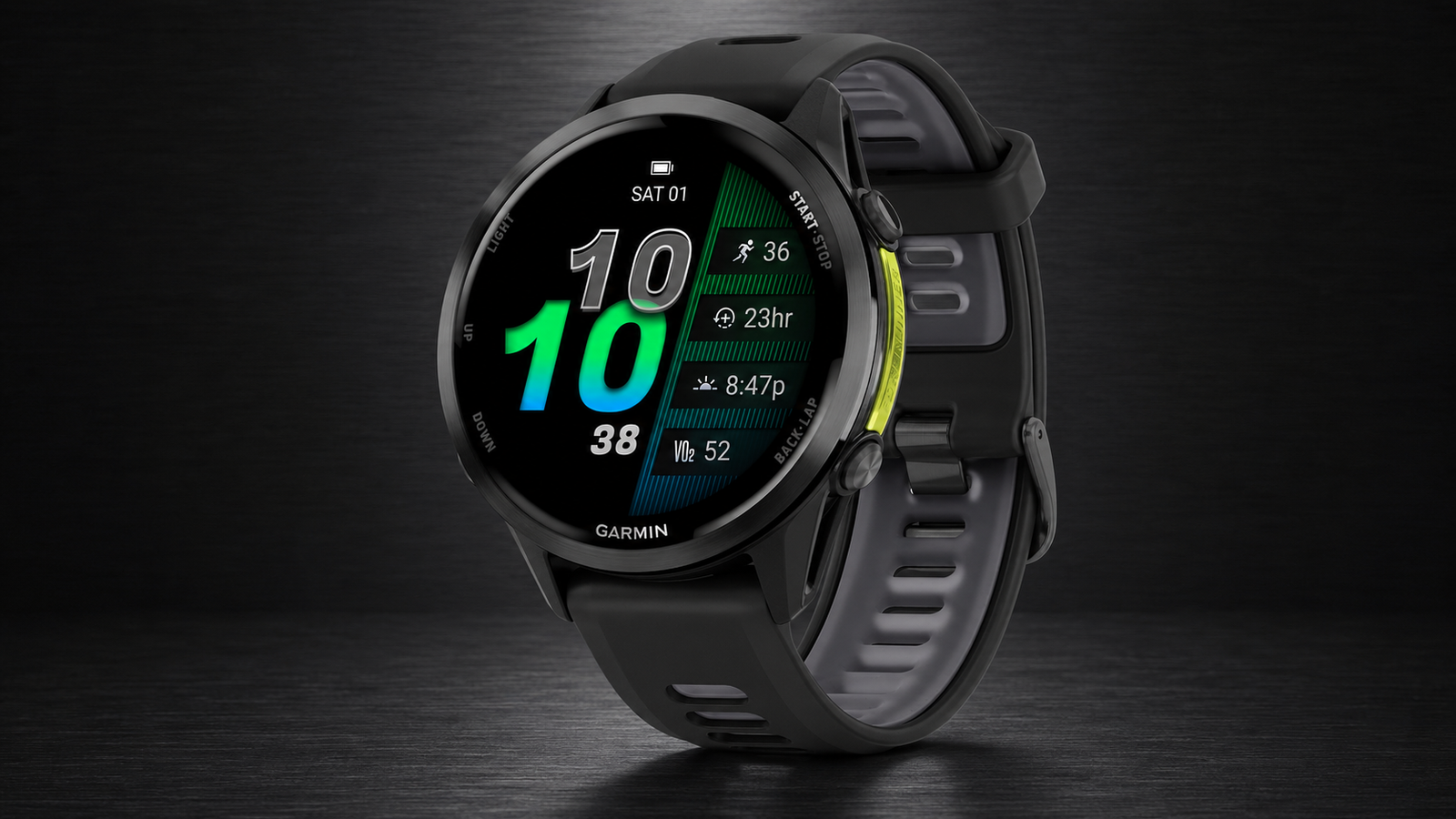
The top of the Forerunner line and, in independent testing, it hit its claimed 30-hour GPS battery exactly — which is rarer than it should be. Adds full maps, ECG, Bluetooth calling and a torch, in a case brighter and thinner than the adventure models.
APPLE WATCH ULTRA
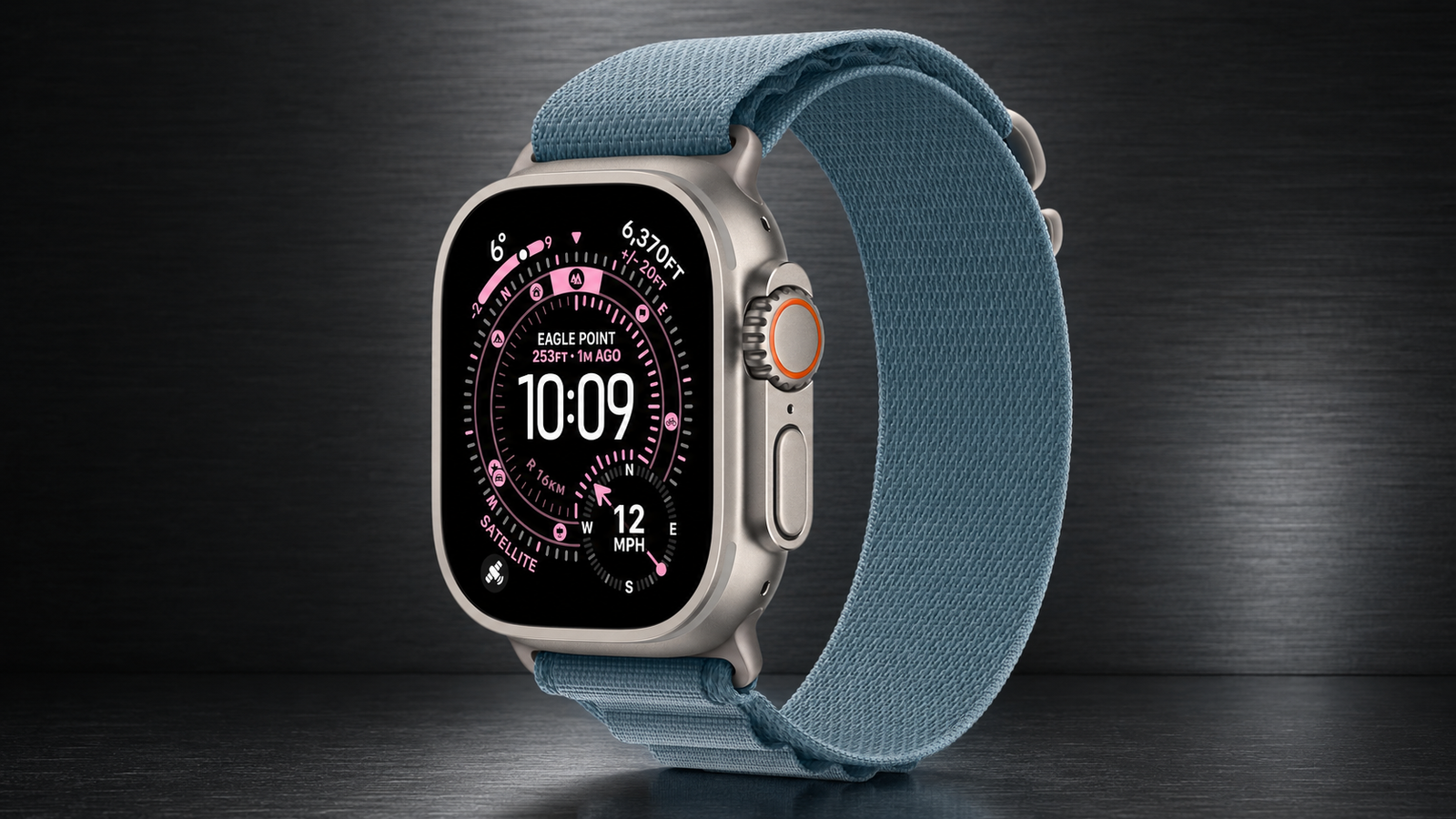
Apple’s genuine attempt at the endurance market, and it has closed the gap further than sceptics expected. In testing it came within thirteen minutes of its claimed continuous GPS figure, and GPS accuracy was strong in the open — within roughly half a percent.
YOUR WRIST IS LYING TO YOU.
Not maliciously, and not all the time — but during exactly the sessions where you care most. This is the single most useful thing on this page, and it costs less than a pair of shoes.
What The Research Actually Found
Wrist optical sensors read a pulse through the skin using light, and typically land somewhere around 84–93% accuracy during daily wear and steady exercise. A chest strap reads the heart’s electrical activity instead — the same principle as an ECG — and the Polar H10 has been validated at under 2% error against clinical ECG, which is why researchers routinely use it as the reference standard when testing everything else.
The gap opens where it matters most: fast intervals, where your wrist is shaking, and cold weather, where blood flow to the wrist drops. A strap reads electrical signal, so neither affects it at all. If your watch has ever told you your heart rate was 190 during a warm-up jog, that is what you were looking at.
POLAR H10 CHEST STRAP
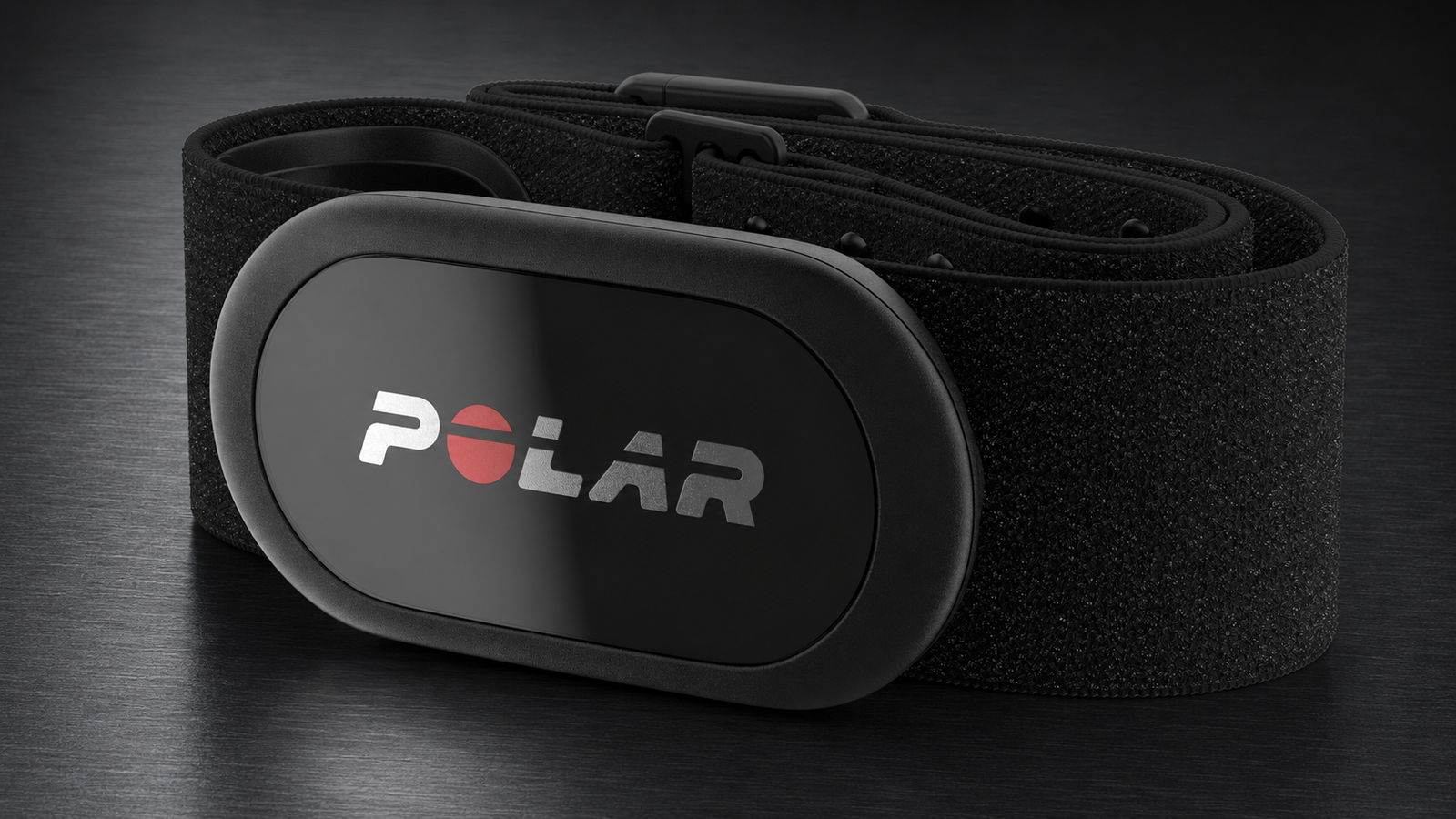
The reference the scientists use. Sub-2% error against clinical ECG, works with every watch and app worth using, and it will outlast several watches. If you are doing structured intervals or want heart rate zones you can actually trust, this is the purchase.
POLAR VERITY SENSE
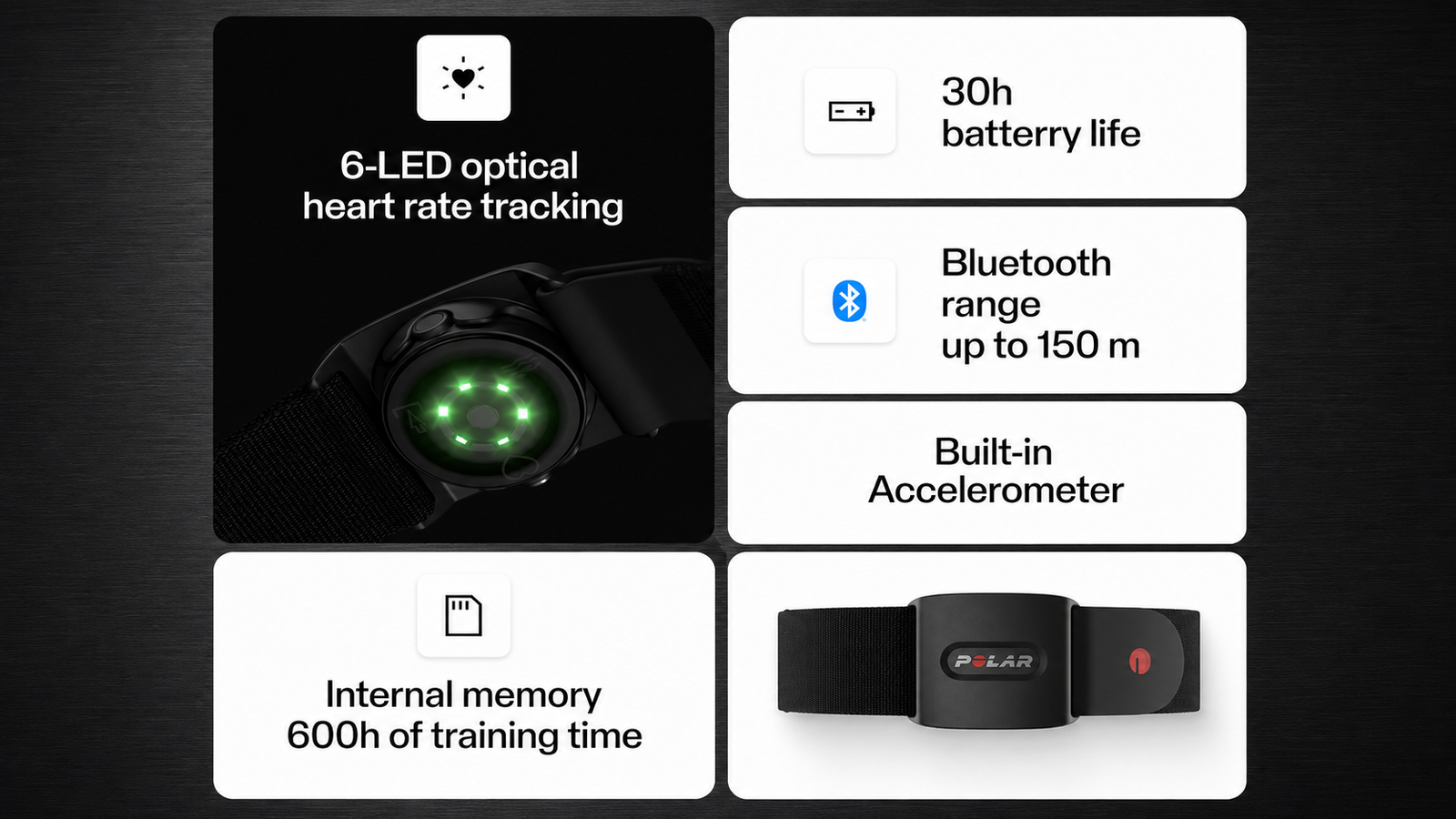
The answer for everyone who tried a chest strap once and never again. Worn on the upper arm, testing puts armband accuracy close to identical to chest straps — and it took an Editors’ Choice in 2026 round-ups largely on comfort. You genuinely forget it is on.