BOXING · THE CHEAPEST THING THAT MATTERS MOST

WRAPS ARE SCAFFOLDING.
THE GLOVE IS THE PADDING.

Almost everyone gets this backwards, and I did too. I assumed wraps were there to soften the blow — a bit of extra cushioning under the glove. They are not padding at all. They are structure.

Your hand is twenty-seven small bones that were never designed to strike anything. When you punch, the five metacarpals — the long bones running from your knuckles to your wrist — want to spread apart under the load. A wrap compresses them so they absorb the impact as one unit rather than five separate bones. It also binds the wrist so it cannot fold backwards on contact, and secures the base of the thumb.

This is the least expensive item in boxing and the one I would refuse to train without. I have learned not to treat a light session as a reason to skip wrapping. That is exactly when people are most tempted to rush the setup. Wraps cannot make poor alignment safe, but consistency removes one avoidable variable.

How To Read This Page

TRAIN IN ITRESEARCHED

Train in it — bought with my own money, used every session. Researched — not something I own, based on independent testing and coach consensus.

As an Amazon Associate I earn from qualifying purchases. Same price for you. Full disclosure.

01 · WHY IT MATTERS

THE INJURY THIS PREVENTS IS NAMED AFTER THE SPORT.

A boxer's fracture is a break in the neck of the fourth or fifth metacarpal — the little-finger side of the hand. It is common enough in boxing to have been named after it, which tells you everything about how ordinary an injury it is.

Where Boxers Actually Get Hurt In Training

In studies of boxing training injuries, hand and wrist problems account for around 37.5% — comfortably the largest single category, ahead of knee and leg at 16.7% and ankle and foot at 12.5%.

Note what is missing from the top of that list. In training, the face barely features. It is the hands doing the work that get hurt — which is exactly why every professional commission in the world requires wraps in competition, and why they are not optional equipment in a gym either.

01Wrap every single time. Including the light session and the ten minutes on the bag before you go home.
02Land flat on the first two knuckles. Index and middle. Technique is genuine injury prevention, not just aesthetics.
03Hit the bag with less force than you think. Beginners hurt hands throwing full power with technique that cannot yet support it.
04Take the wrist seriously. If your wrist aches after sessions, your wrapping or your alignment needs attention — not more sessions.
02 · LENGTH & TYPE

120 OR 180 INCHES? AND WHAT MEXICAN MEANS.

Two numbers and one word cover the entire category. "Mexican style" simply means the cotton has a small amount of stretch in it, so the wrap moulds to your hand instead of sitting on top of it — which is why beginners get on with them and why most people never switch back.
LengthWho it suitsThe trade-off
120″ (3m)Smaller hands, beginners, less bulk under the gloveQuicker to learn, noticeably less wrist support
180″ (4.5m)The standard — full wrist and knuckle coverageTakes longer to wrap until it becomes automatic
Quick gelFitness classes, convenience, being lateProtects knuckles, gives very little wrist support
TRAIN IN IT
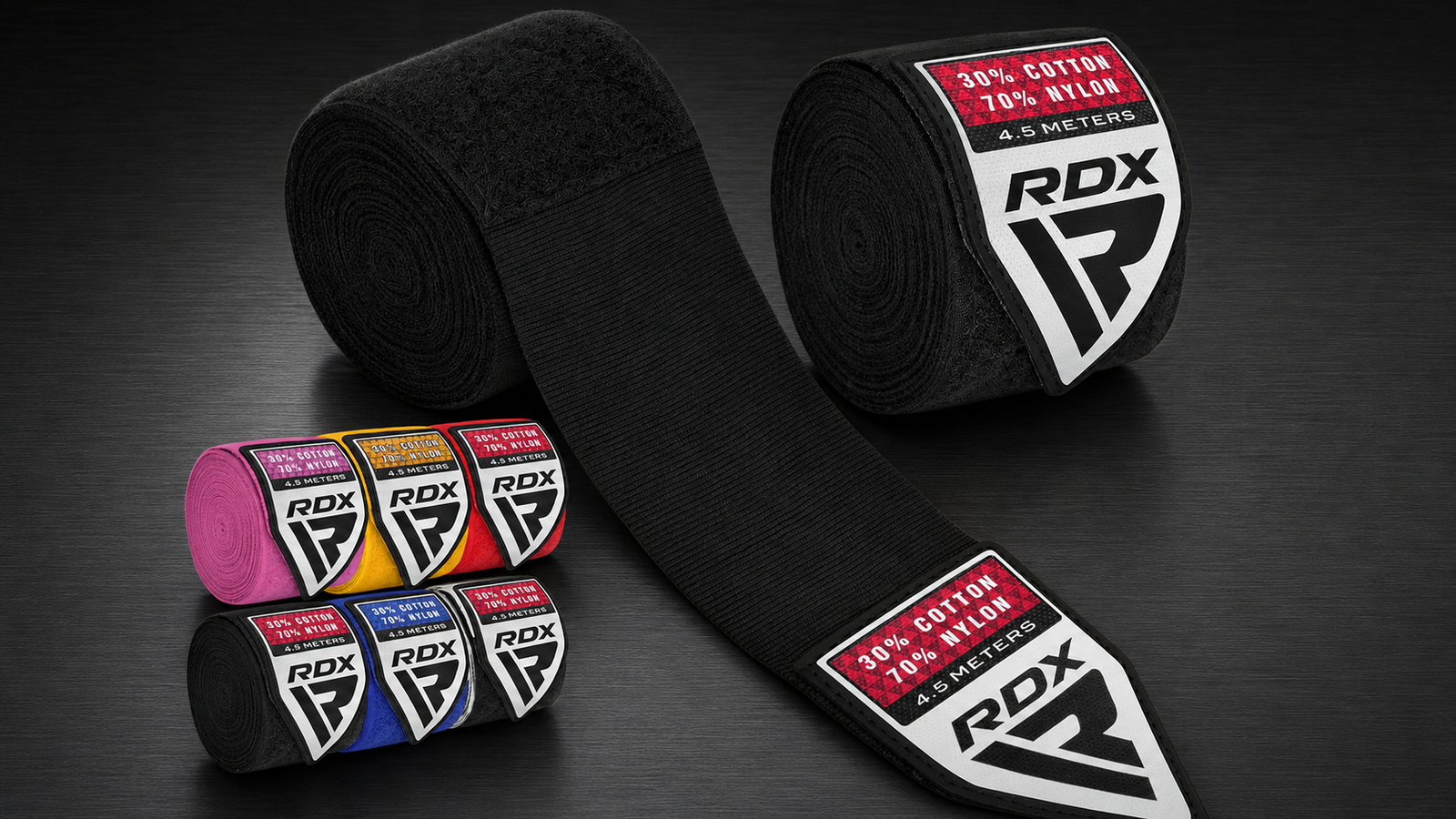
Venum 180 inch Mexican style hand wraps

180″ MEXICAN-STYLE WRAPS

Semi-Elastic · The Standard · Venum

Buy two pairs and stop thinking about it. Full wrist coverage, enough length for proper knuckle layering, and the slight stretch means they stay where you put them rather than loosening over three rounds. This is what I use and what almost every coach will tell you to buy.
Best forEveryone, every session
Length180″ (4.5m)
BuyTwo pairs minimum
VIEW ON AMAZON UK →
RESEARCHED
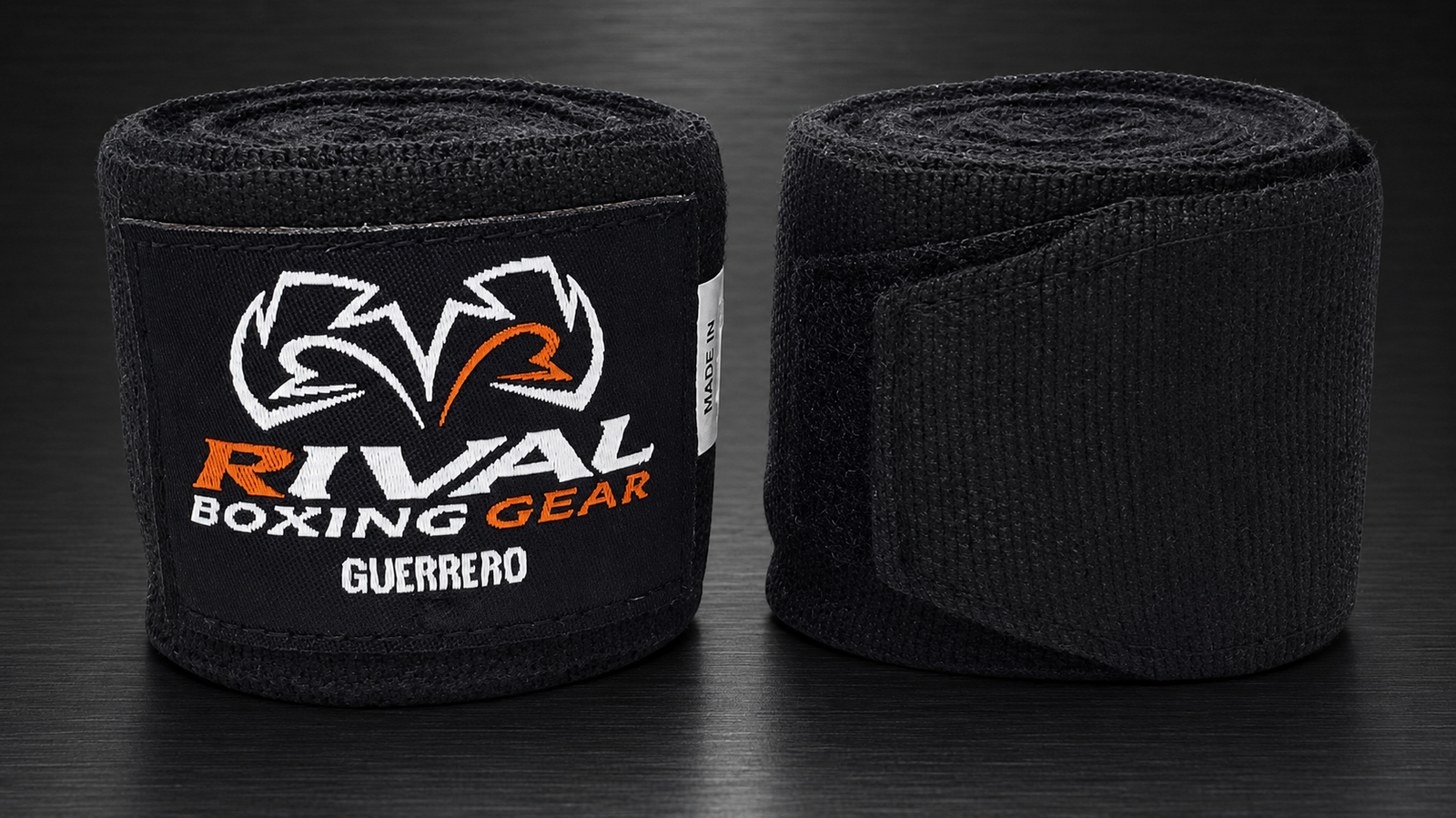
120 inch hand wraps

120″ WRAPS

Shorter · Smaller Hands · Less Bulk

The sensible option if 180 inches genuinely defeats you, or if your hands are small enough that the standard length leaves you with a bundle of cotton at the wrist. Faster to learn, less bulk inside the glove, and a perfectly reasonable place to start before moving up.
Best forSmall hands, learning
Length120″ (3m)
ThenMove up to 180″
VIEW ON AMAZON UK →
RESEARCHED
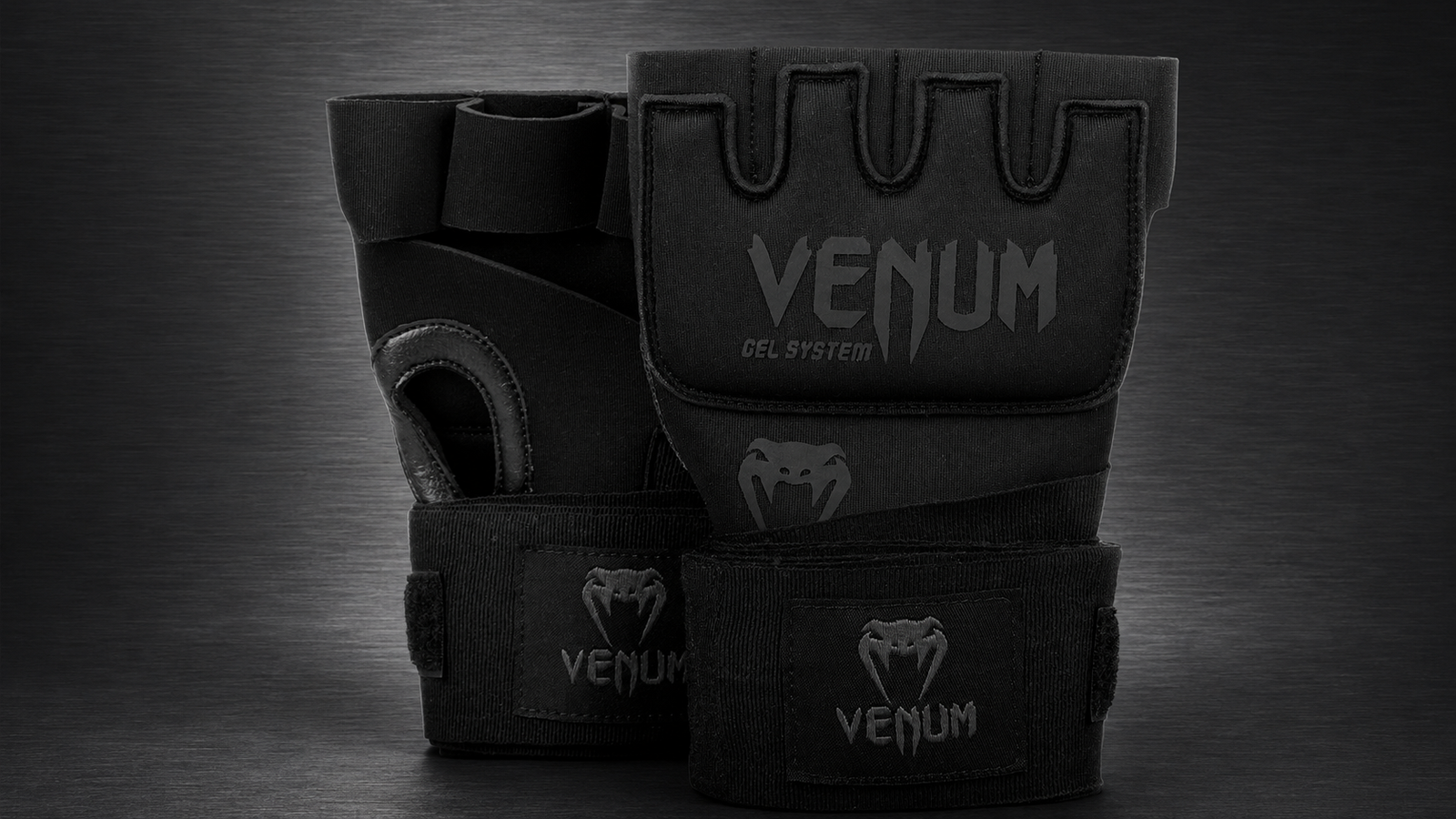
Quick gel hand wraps

QUICK GEL WRAPS

Slip-On · Five Seconds · Classes

For fitness classes and the evenings you are already late. Moulded gel over the knuckles with a wrist strap — on in five seconds, no technique required. Genuinely better than the very common alternative, which is skipping wraps altogether because you cannot face the faff.
Best forClasses, convenience
Wrist supportLimited
Not forHeavy bag or sparring
VIEW ON AMAZON UK →
TRAIN IN IT
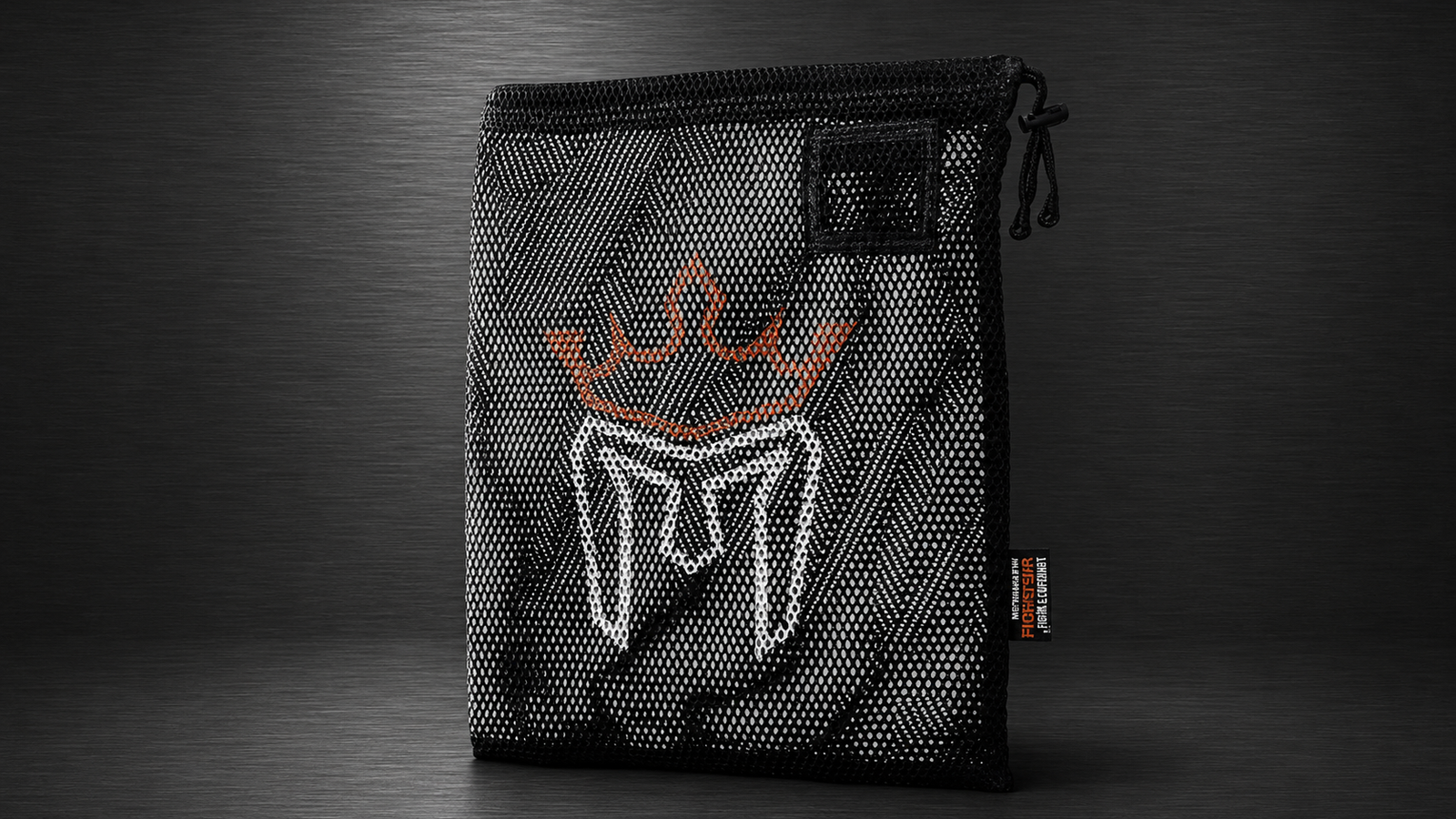
Mesh wash bag for hand wraps

MESH WASH BAG

Unglamorous · Solves A Real Problem

A tiny thing that solves a genuinely irritating one. Wraps go through a washing machine beautifully and come out as a single tangled knot the size of a football — unless they are in a mesh bag, in which case they do not. Two pounds, permanently useful.

Best forWashing wraps
Free alternativeFasten the velcro first
CostNegligible
VIEW ON AMAZON UK →

QUICK ANSWERS

Are hand wraps really necessary for boxing?

Yes. The glove provides padding; the wrap provides structure — binding the metacarpals so they absorb impact as one unit and stopping the wrist folding backwards on contact. Hand and wrist injuries account for around 37.5% of boxing training injuries, and most happen on the day someone skipped wrapping.

120 or 180 inch hand wraps — which should I buy?

180 inches is the standard and gives full wrist and knuckle coverage. 120 inch wraps suit smaller hands or anyone who finds long wraps confusing at first — quicker to learn, with less wrist support as the trade-off.

What does "Mexican style" mean on hand wraps?

It means the cotton contains a small amount of elastic, so the wrap stretches slightly and moulds to the shape of your hand rather than sitting on top of it. It is the most popular type for beginners because it is forgiving of imperfect wrapping.

Can I use quick gel wraps instead?

For fitness classes, yes. They protect the knuckles and take five seconds to put on, which is genuinely better than skipping wraps. But they give considerably less wrist support than a proper wrap, so they are not suitable for heavy bag work or sparring.

How many pairs of hand wraps do I need?

Two. One in use, one clean — because a damp wrap balled up in a gym bag becomes unpleasant within days, and you will not always get them washed and dried between sessions.

How do you wash boxing hand wraps?

Machine wash cool inside a mesh bag, or fasten the velcro first so they do not tangle into a single knot. Air dry — never a radiator or a tumble dryer, both of which destroy the elastic.

Do I need wraps if I only hit a bag at home?

Yes, arguably more so — there is no coach watching your technique. Bag work is where most hand and wrist injuries happen, and the load on those small bones is identical whether or not anyone is supervising.

Of everything on this website, this is the item with the widest gap between what it costs and what it prevents. A pair of wraps is a few pounds. A boxer's fracture is six weeks in a cast and a very awkward conversation with your employer.

Wrap every time. Including the light session. Especially the light session — that is the one where people do not bother.

Sources & Research
  • Distribution of training injuries in amateur boxing by anatomical site — hand and wrist, knee and leg, ankle and foot.
  • Boxer's fracture: fourth and fifth metacarpal neck fractures in combat sport.
  • Hand wrap length and construction standards — UK coach consensus and retailer specification, 2026.

Items marked TRAIN IN IT are ones I own and use. Those marked RESEARCHED are based on independent testing and coach consensus, not personal use. Educational content, not medical advice — persistent hand or wrist pain deserves proper assessment rather than a tighter wrap.

Scroll to Top