My first pair were wrong, and they were wrong for a reason nobody had explained to me. I bought 10oz gloves because a smaller number sounded like it would suit a smaller person. It does not work like that at all.
The ounces are the weight of the glove — how much padding sits between your knuckles and whatever you are about to hit. A heavier glove is not a bigger glove. It is a more protective one, for you and for whoever is standing opposite you. Buying light because you are small is precisely backwards.
I train in Venum, and I should say that plainly rather than pretend I arrived at it neutrally. They make the official UFC fight kit, the fit suits my hand, and I have never had a reason to change. Where something else is genuinely a better answer, this page says so.
Train in it — bought with my own money, used in the gym. Researched — not something I own, based on independent testing and coach consensus.
As an Amazon Associate I earn from qualifying purchases. Same price for you. Full disclosure.
Three numbers cover almost everything, and the choice depends entirely on what you are hitting — not on how tall you are or whether you are a woman.
Glove sizing has nothing to do with being a woman. It is decided by what you are hitting and by your bodyweight — under roughly 65kg you can comfortably use 12–14oz for bag and pad work, and above that 14–16oz makes more sense.
The one place it stops being your decision is sparring: most clubs will want everyone in 16oz regardless of size, because the padding protects your partner as much as you. Some brands offer a narrower hand compartment which genuinely fits smaller hands better — a fit question, and separate from the ounce rating.
Two pairs will cover you for years. Most people never need a third.
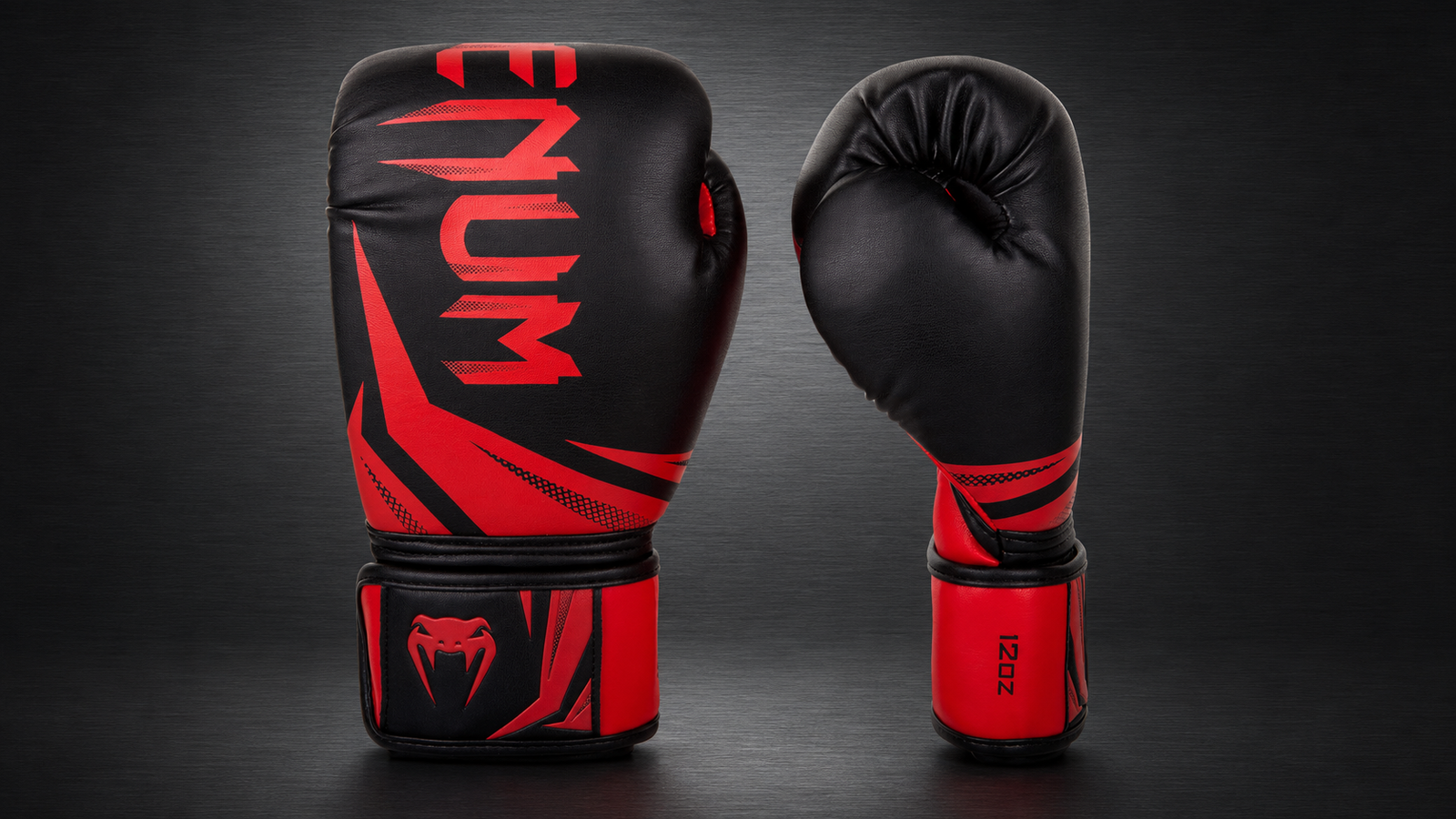
Where I would tell anyone to start, and where I should have started. Venum's synthetic shells look and feel remarkably close to leather at a fraction of the price, the wrist strap is generous, and a first pair takes a genuine beating while your technique is still doing things it should not.
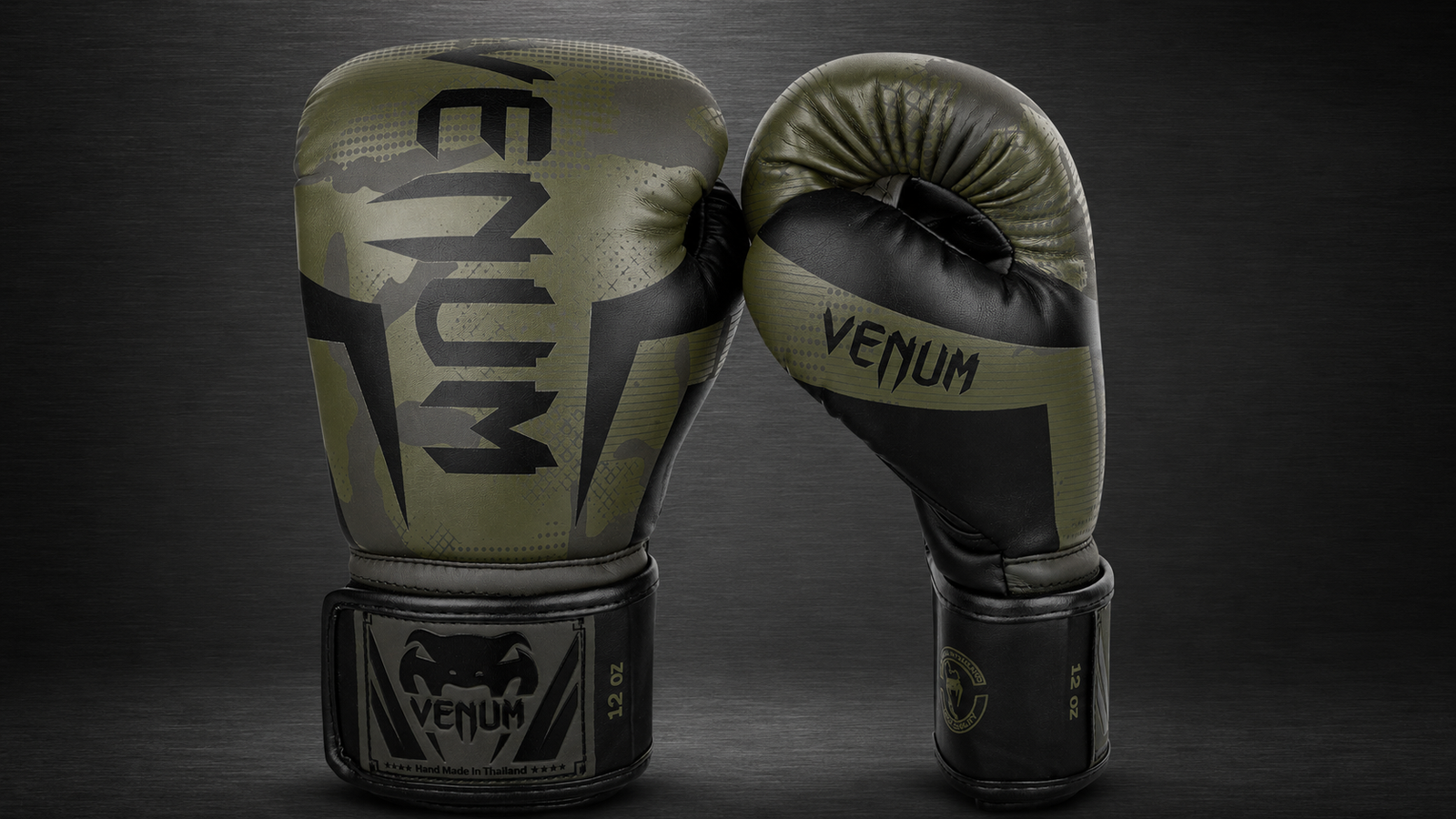
The second pair, bought when you know you are staying. Leather holds its shape and its padding far longer than synthetic, which is exactly what matters when the glove is protecting somebody else's face. This is not the place to economise, and it lasts years rather than months.
Worth knowing: the official UFC kit is made by Venum, so the UFC-branded training gloves come from the same house and share much of the construction. If you like the styling — and a lot of people do — you are not compromising on build to get it.
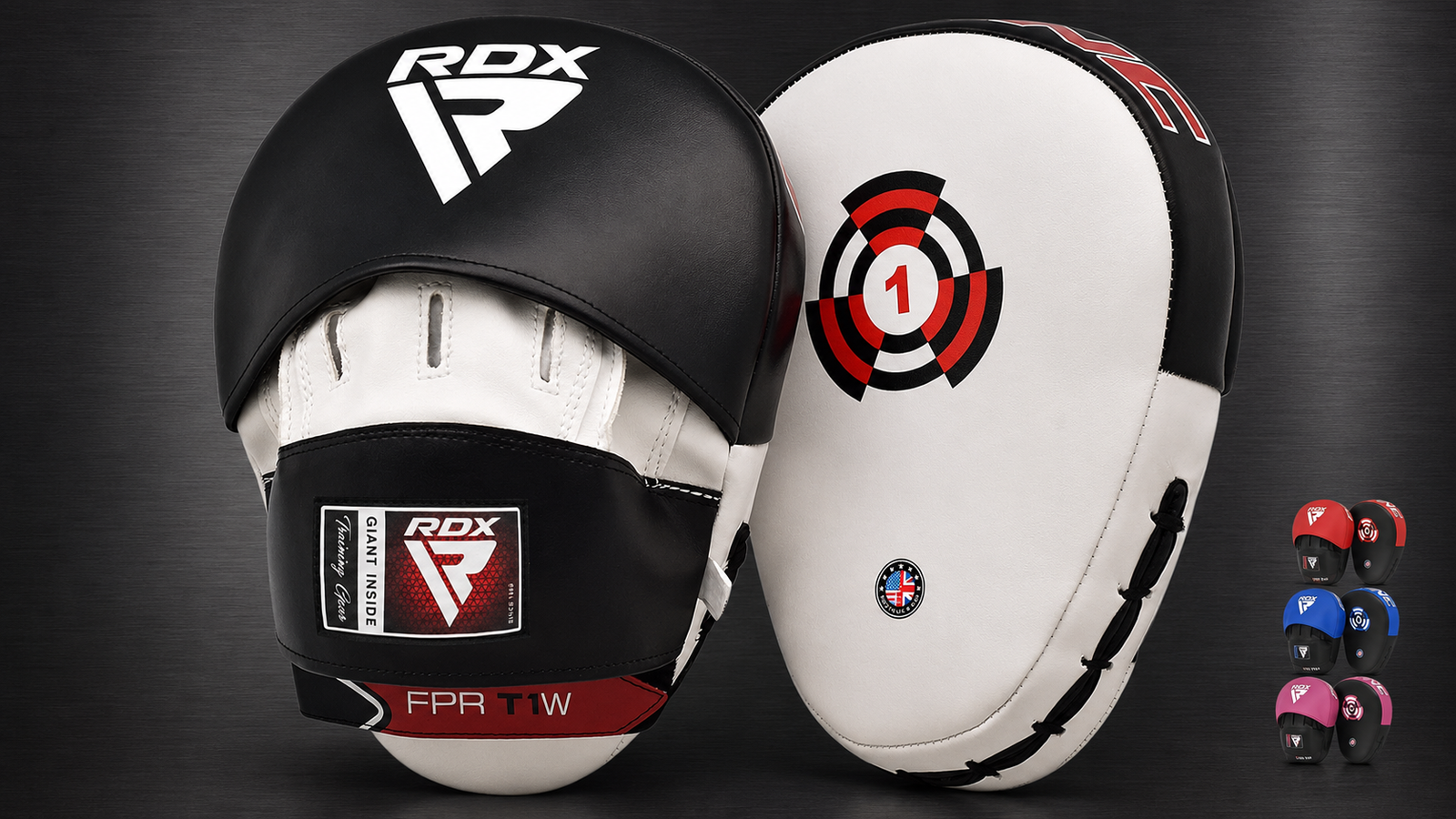
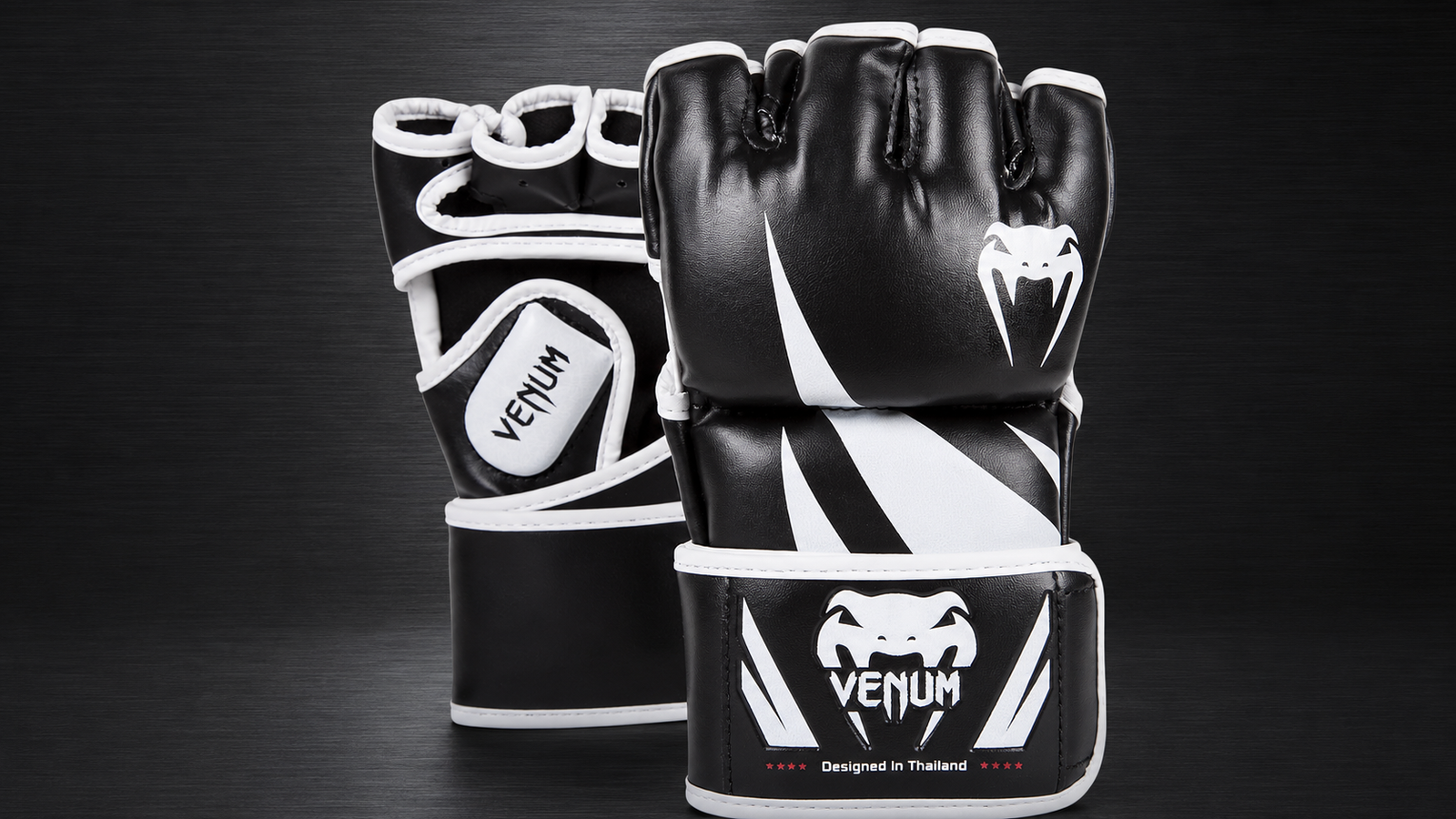
The honest budget option if all you own is a bag at home. Thin, quick to put on, and adequate for light bag work when you cannot face wrapping — which realistically is the difference between training and not training on a tired evening.
Worth repeating because it is the single thing that stops most people trying boxing at all: you can train for years and never take a punch. Bag work, pads, shadowboxing and skipping are the overwhelming majority of what happens in any gym, and all of it is non-contact.
In a study of elite boxers, the hand and wrist injury rate in competition was 347 per 1000 hours. In training it was under 0.5 per 1000 hours. Same sport, same athletes, same hands. Competing and training are not remotely the same activity — and almost everyone in a boxing gym is only ever doing one of them.
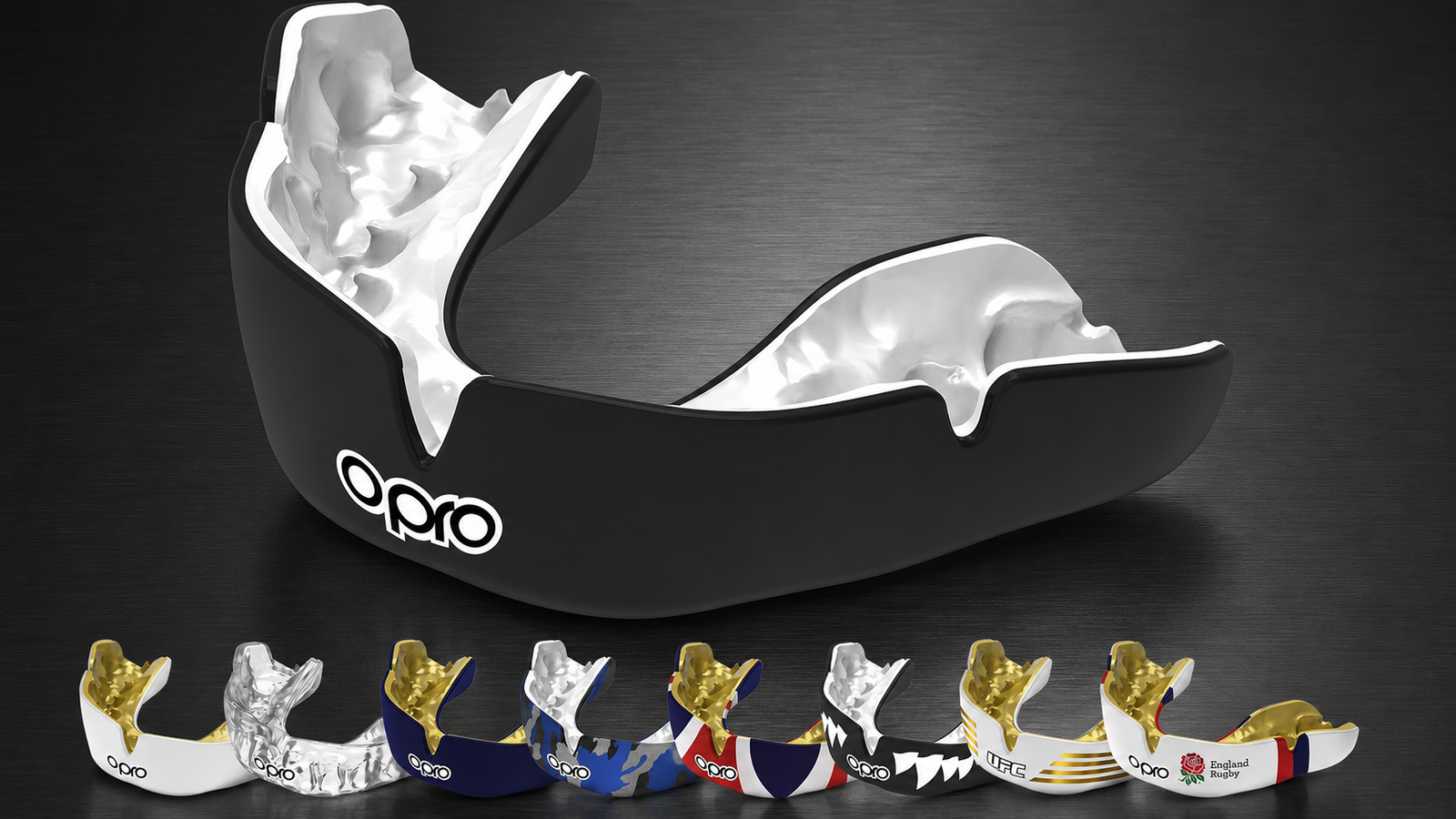
Required by every club for any sparring, and the cheapest insurance against a genuinely expensive dental bill. Boil-and-bite moulds to your own teeth in two minutes of kitchen faff and is entirely adequate — Venum and Shock Doctor are the usual answers.
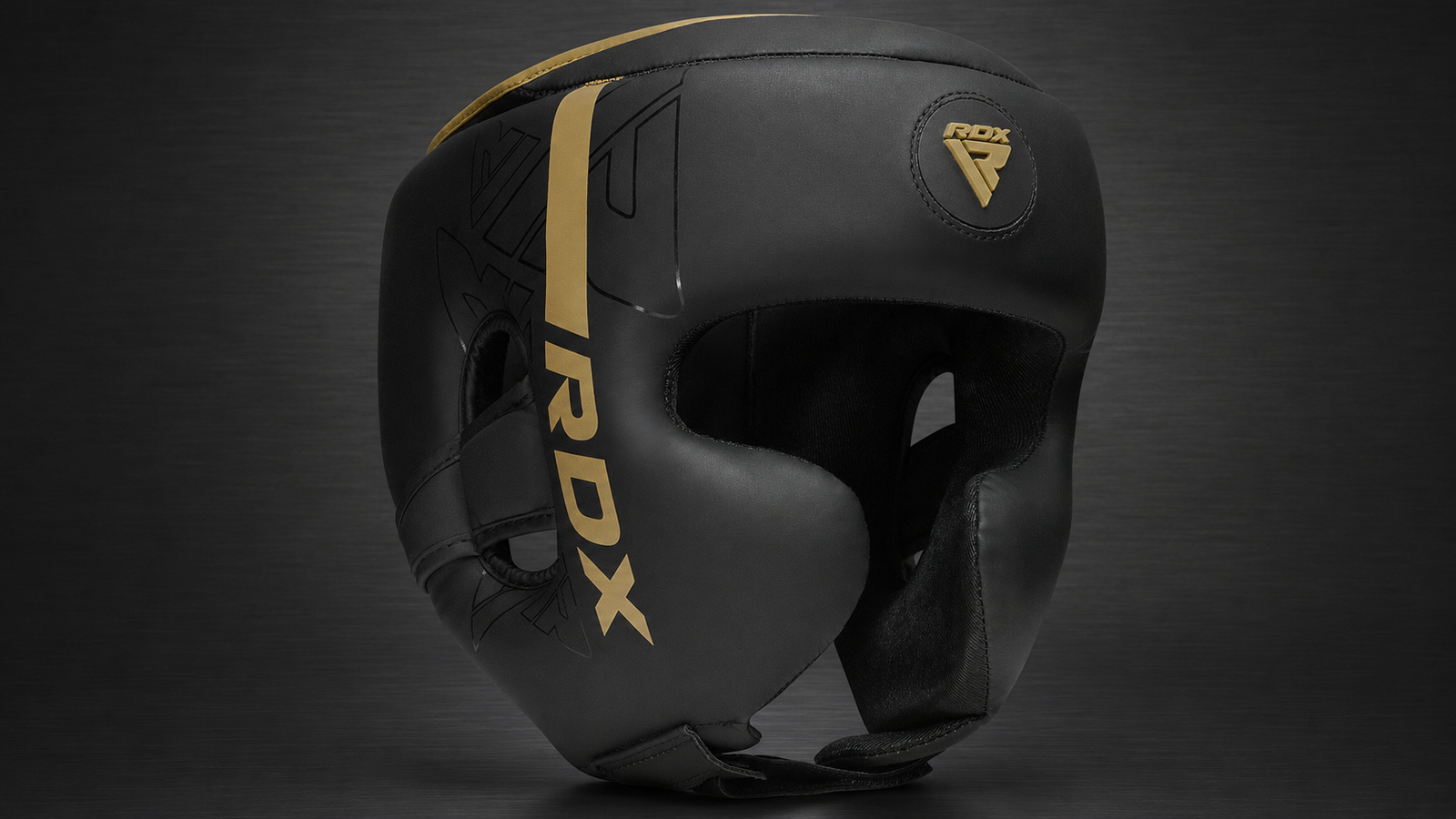
Headguards are common in club sparring, subject to your coach's rules. In England Boxing competition, senior men box without headguards, while senior women and younger categories wear them under the 2026 rules. Ask the club before buying one; many lend approved equipment.
The single reason gloves die early. Wet gloves sealed in a rucksack overnight develop a smell that is genuinely permanent and the lining breaks down from the inside. Thirty seconds when you walk in the door saves the most expensive item you own.
Direct heat cracks leather and warps synthetic shells. Open, palm-up, somewhere with moving air — that is the entire method, and it takes a day.
Wraps absorb the sweat that would otherwise soak into the glove lining. They also protect the part of you that accounts for around 37.5% of all boxing training injuries. Two jobs, one cheap item.
One all-rounder pair covers bag, pads and light work for as long as it takes to find out whether you are staying. Buy the sparring pair when a coach tells you it is time — not before.
12oz for bag and pad work, 14oz as an all-rounder if you are buying one pair, and 16oz for sparring — which most UK clubs require regardless of your size. Choose by bodyweight rather than gender.
No. Glove sizing is based on weight and intended use, not gender. Some brands offer a narrower hand compartment which fits smaller hands better, but the ounce rating means exactly the same thing for everyone.
Yes — their synthetic training lines are a common recommendation for first gloves, offering close-to-leather feel at a considerably lower price. The trade-off is that the softer foam packs down faster than leather under heavy weekly volume.
The official UFC fight kit is made by Venum, so UFC-branded training gear shares much of the same construction. You are paying something for the badge, and the range is narrower, but the build quality comes from the same place.
Synthetic for a first pair — cheaper, entirely adequate, and you may not stay. Leather for the second pair, because it holds padding and shape far longer, which matters most in sparring where the glove is protecting someone else.
A synthetic pair trained in three or four times a week will feel dead within about a year; leather lasts several. Airing them after every session makes more difference to lifespan than price does.
For light bag work at home, yes. They have very little padding and almost no wrist support, so they are unsuitable for hard bag work and cannot be used for sparring.
I still have those first 10oz gloves. They were the wrong purchase and I keep them anyway, because they are a reminder that the thing stopping most people is not the equipment — it is not knowing what any of it means.
Buy a 14oz pair. Wrap your hands underneath. Everything else on this website can wait until you have been through the door.
Items marked TRAIN IN IT are ones I own and use. Those marked RESEARCHED are based on independent testing and coach consensus, not personal use. Educational content, not medical advice — persistent hand or wrist pain deserves proper assessment rather than a tighter wrap.