BOXING · TRAINING AT HOME

A BAG DOES NOT TEACH YOU TO BOX.
IT REWARDS YOU FOR HAVING LEARNED.

This is the section where I would gently slow you down. A punch bag is the thing everyone wants to buy first and almost nobody needs first. Technique comes from a coach, a mirror and a lot of shadowboxing — the bag simply gives you somewhere to put it once you have it.

Buy one too early and what you build is a fast, powerful version of whatever you were doing wrong, plus sore hands. Buy one at the right time and it becomes the reason you train on the evenings you would otherwise not leave the house — which is, for me, most Tuesdays in February.

The real decision is not weight. It is whether you can drill into anything, and whether other people live in your house.

How To Read This Page

TRAIN IN ITRESEARCHED

Train in it — bought with my own money, used at home. Researched — not something I own, based on independent testing and specification.

As an Amazon Associate I earn from qualifying purchases. Same price for you. Full disclosure.

01 · CHOOSING A BAG

HALF YOUR BODYWEIGHT. THEN MEASURE THE CEILING.

The working guideline is that a heavy bag should weigh roughly half your bodyweight — heavy enough that it moves when you hit it properly, not so light that it swings wildly and teaches you nothing. For most people that lands between 25 and 35kg.

OptionRoughlyHonest verdict
4ft hanging~35kg filledThe sweet spot for home. Needs a beam or bracket
5ft hanging~45kg filledBetter feel and more resistance. Needs real structure
FreestandingBase 70–140kg filledNo drilling. Slides and rocks — the honest trade-off
Wall bracketFixed mountRock solid, but it lives there permanently

Before You Order — Three Things

Structure. A filled bag pulling on a plasterboard fixing is how ceilings come down. You need a genuine structural beam or a properly rated wall bracket, and if you are not certain which you have, ask somebody who is.

Noise. The impact, the chain and the swing all travel through a building. In a terraced house or an upstairs flat this becomes a household issue faster than anyone expects — and it is the single most common reason home bags end up in a garage.

Swing space. A bag needs a clear metre in every direction once it is moving. Measure it with the bag swinging, not hanging still.

02 · THE SETUP

FOUR THINGS. THAT IS A HOME BOXING GYM.

You genuinely do not need more than this, and two of the four cost almost nothing.
RESEARCHED
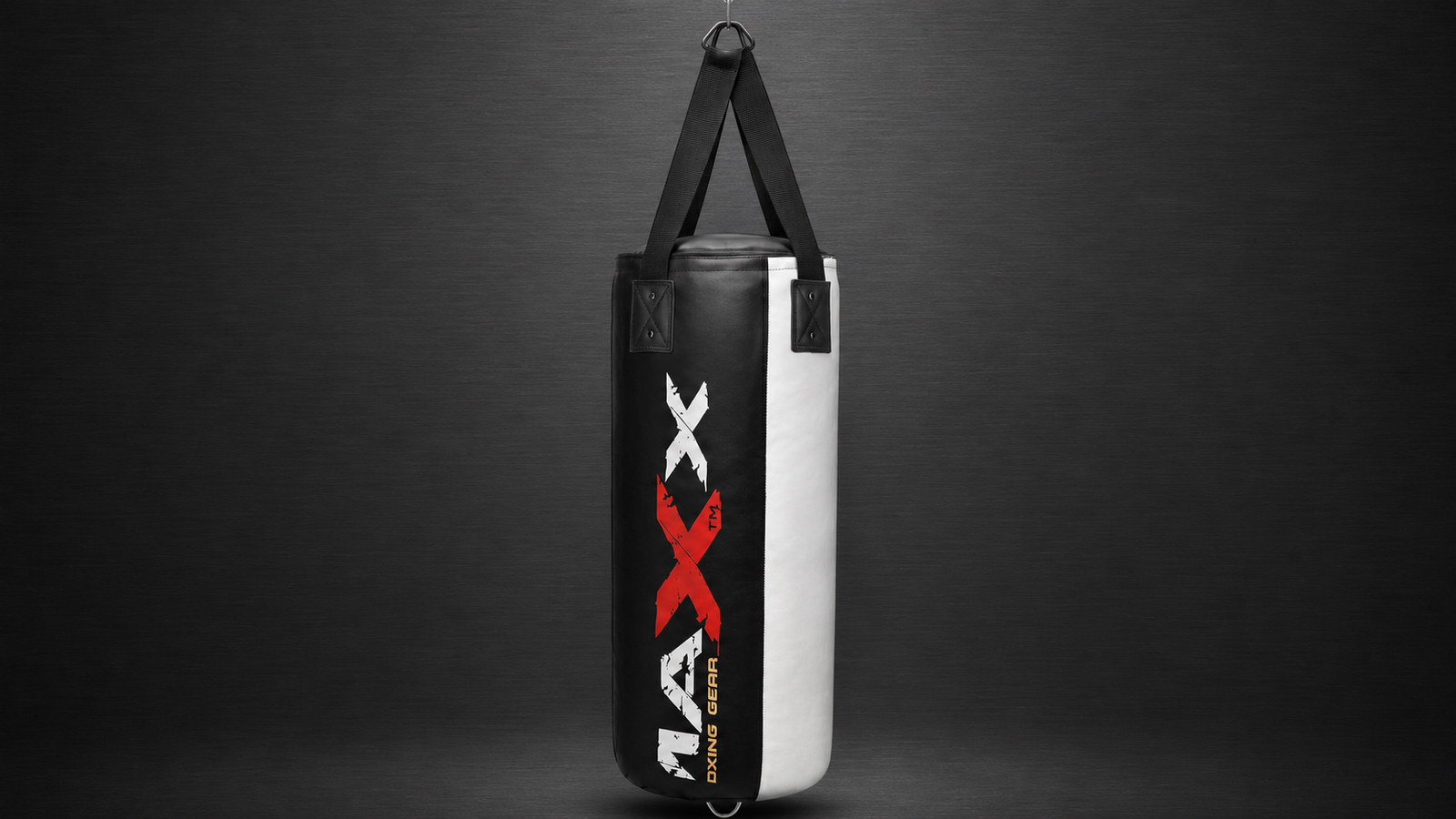
4ft hanging heavy punch bag

4FT HANGING BAG

~35kg · Best Feel · Needs A Beam

If you can hang it, hang it. A hanging bag swings, and the swing is what teaches timing — you learn to move with it rather than simply hit it. Four feet at around 35kg is the practical home size: enough resistance for real work, short enough for a normal ceiling.
Best forReal bag work at home
WeightAround 35kg filled
NeedsBeam or rated bracket
VIEW ON AMAZON UK →
RESEARCHED
Freestanding punch bag

FREESTANDING BAG

No Drilling · Renting · Flats

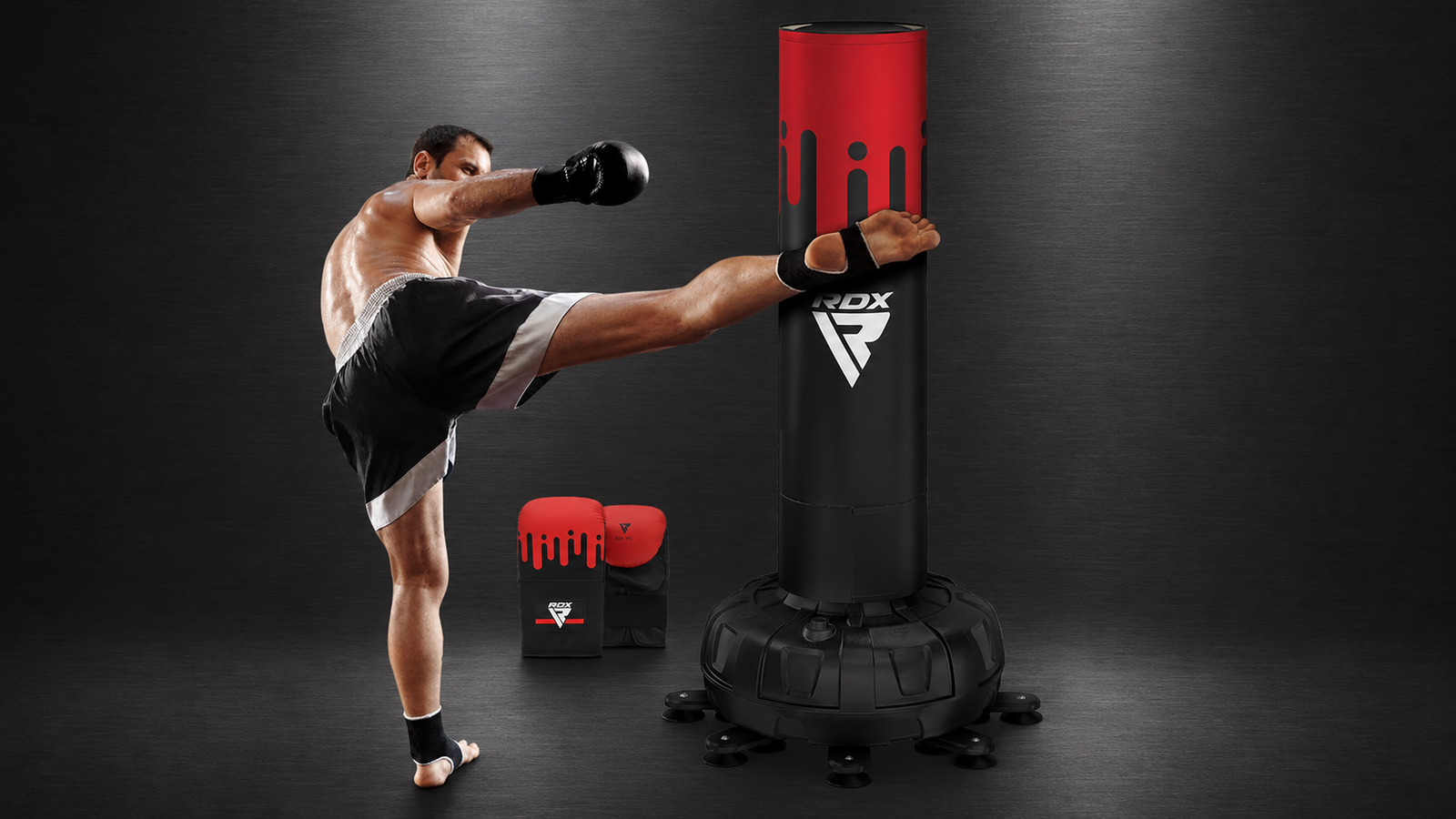
The answer if you rent, live upstairs, or cannot put a hole in anything. A weighted base you fill yourself, and you can wheel the whole thing into a corner when people come round — which matters more in a normal house than anyone admits.
Best forRented homes, flats
BaseFill with sand, not water
Trade-offSlides under power
VIEW ON AMAZON UK →
TRAIN IN IT
PVC skipping rope for boxing

6MM PVC SKIPPING ROPE

Cheapest · Most Used · Warm-Up

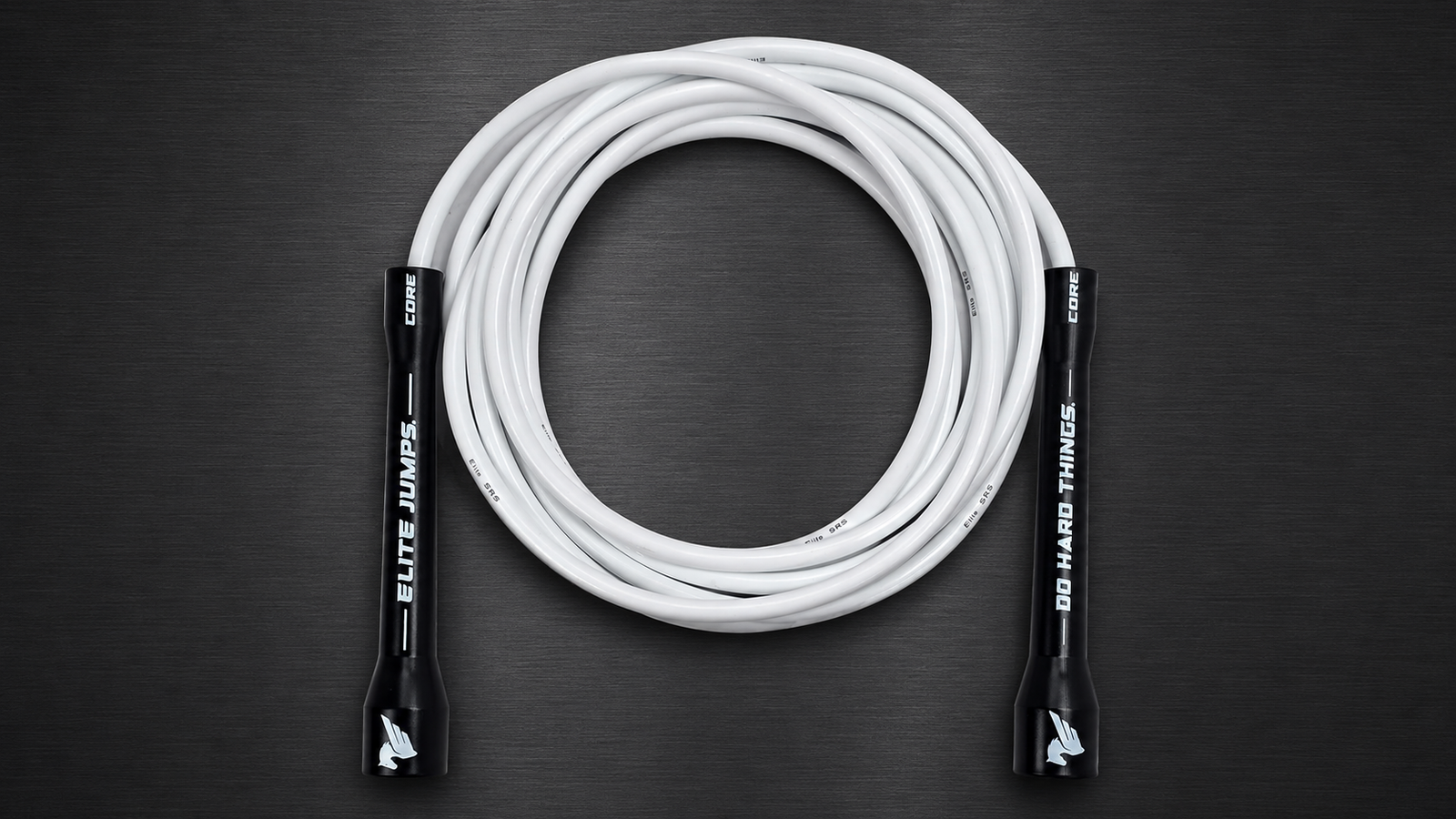
The cheapest item on this entire website and one of the most useful. Stand on the middle of the rope — the handles should reach roughly to your armpits. That is the whole sizing method. Ten minutes before every session is the warm-up that actually prevents injuries.
Best forEvery session
Material6mm PVC, not wire
AvoidWeighted ropes as a beginner
VIEW ON AMAZON UK →
RESEARCHED
Boxing round interval timer

ROUND TIMER

3 Min On · 1 Min Off · Structure

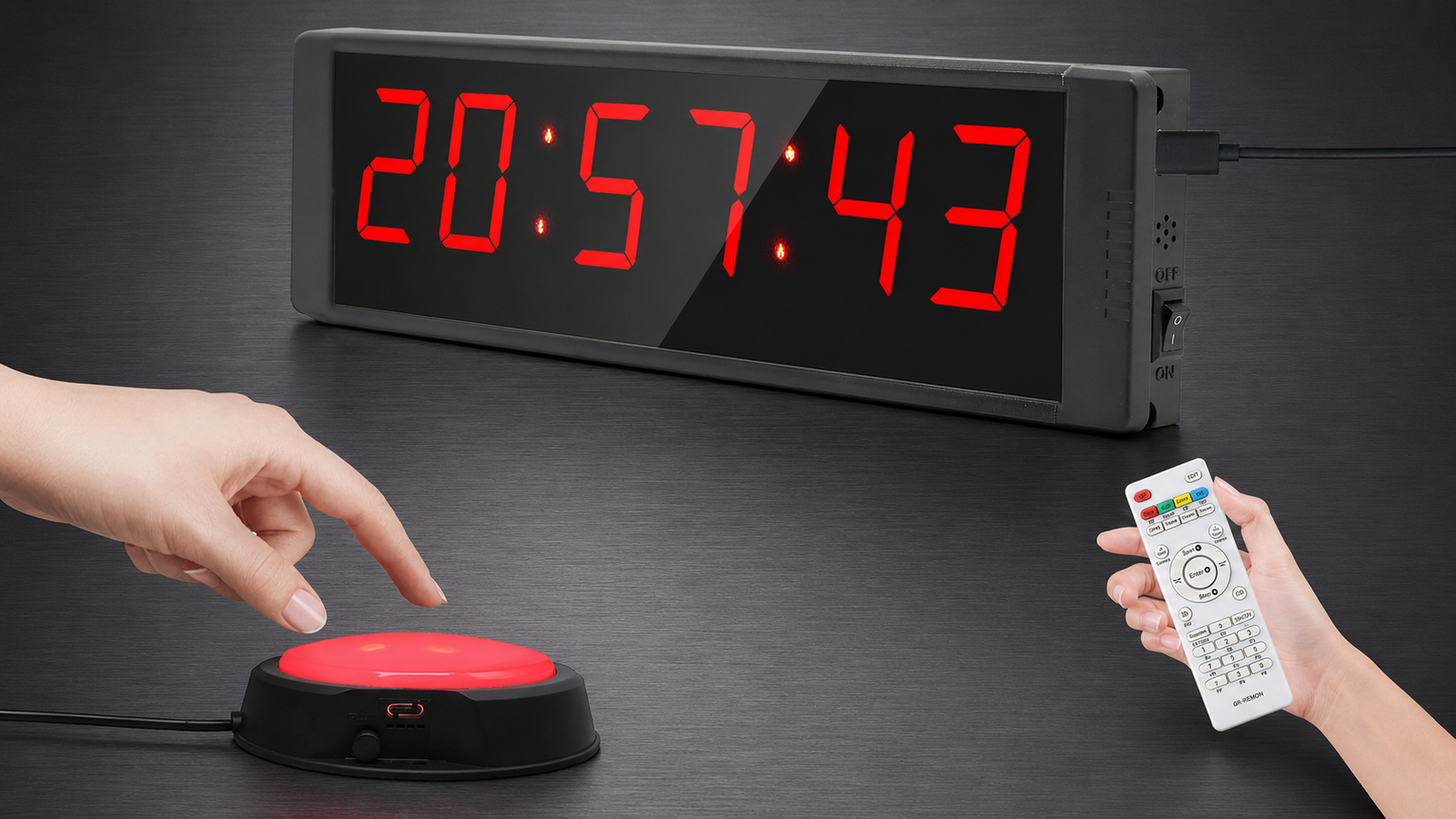
The thing that turns hitting a bag into training. Three minutes on, one minute off, and a bell that decides for you — because left to your own judgement you will quietly stop early on the hard rounds and never notice you are doing it.

Best forHome bag sessions
Standard3 min work, 1 min rest
HonestAn app does this free
VIEW ON AMAZON UK →

A HOME SESSION THAT ACTUALLY WORKS

01

PROGRESSIVE WARM-UP WITH ROPE

A short progressive warm-up helps prepare your ankles, shoulders, timing and coordination for the session. Start easily, add movement gradually and arrive at the bag with control rather than fatigue. It can reduce avoidable risk, but no warm-up can guarantee injury prevention.

02

THREE ROUNDS OF SHADOWBOXING

In front of a mirror if you have one. This is where technique actually lives — the bag will only ever reflect back what you brought to it.

03

SIX ROUNDS ON THE BAG

Three minutes on, one off. Combinations rather than single shots, and considerably less power than you want to use — the bag does not need convincing, and your hands will thank you.

04

FINISH WITH CONDITIONING

Whatever you have — rope, press-ups, squats. The conditioning is the part that will genuinely surprise you, and it is a by-product of the skill work rather than the point of it.

QUICK ANSWERS

How heavy should a punch bag be?

Roughly half your bodyweight is the common guideline, which for most people means 25–35kg. A four-foot bag filled weighs around 35kg and is the practical sweet spot for a home setup.

Hanging or freestanding punch bag?

Hanging gives a better feel and teaches timing through the swing, but needs a structural beam or rated wall bracket. Freestanding requires no drilling and suits rented homes and flats, at the cost of sliding and rocking under real power.

Can I box at home without a bag?

Yes, and most beginners should start that way. Shadowboxing and skipping are where technique and conditioning actually come from — a bag rewards good technique rather than creating it. Buy one once the movements feel familiar.

What size skipping rope do I need for boxing?

Stand on the middle of the rope; the handles should reach roughly to your armpits. For most adults that is a 9 to 10 foot rope, with about 18 to 24 inches of clearance over your head as it passes.

Should I get a weighted skipping rope?

Not as a beginner. Weighted ropes are a resistance tool for people who already have the rhythm. A 6mm PVC rope is the best starting point — thick enough that you can feel where it is, which is what teaches the timing.

Will a punch bag damage my house?

It can, if hung badly. A filled bag pulling on a plasterboard fixing is genuinely dangerous — use a structural beam or a properly rated bracket. Noise transmission through floors and walls is the other real consideration, particularly in flats and terraced houses.

How long should a home boxing session be?

Forty minutes is plenty: a short warm-up, three rounds of shadowboxing, six rounds on the bag and some conditioning. Boxing training is brutal by nature — the intensity does the work, not the duration.

The bag in the corner is the reason I train on the evenings when going out is not happening. No changing, no travelling, no deciding — just the rope, then the bell.

But it came third, after wraps and gloves, and after a coach had spent months telling me where to put my feet. In that order it is a brilliant purchase. In the other order it is expensive furniture.

Sources & Specification
  • Heavy bag weight guidance by bodyweight and experience level — manufacturer and coach consensus.
  • Filled bag weights by size: four-foot and five-foot hanging bags, freestanding base capacities.
  • Skipping rope sizing and material guidance for combat sport conditioning, 2026.

Items marked TRAIN IN IT are ones I own and use. Those marked RESEARCHED are based on specification and independent testing, not personal use. Educational content, not medical advice. Always follow manufacturer fitting instructions for mounted equipment, and consult a qualified tradesperson if you are unsure about the structure you are fixing to.

Scroll to Top