WHY COTTON FAILS, AND WHAT TO WEAR INSTEAD.
Cotton absorbs sweat and holds onto it. That is the whole problem — it gets heavy, it stays wet, it goes cold the moment you slow down, and wet fabric rubbing on skin is where chafing comes from. Everything else is a choice between two materials, and they are genuinely different rather than marketing-different.
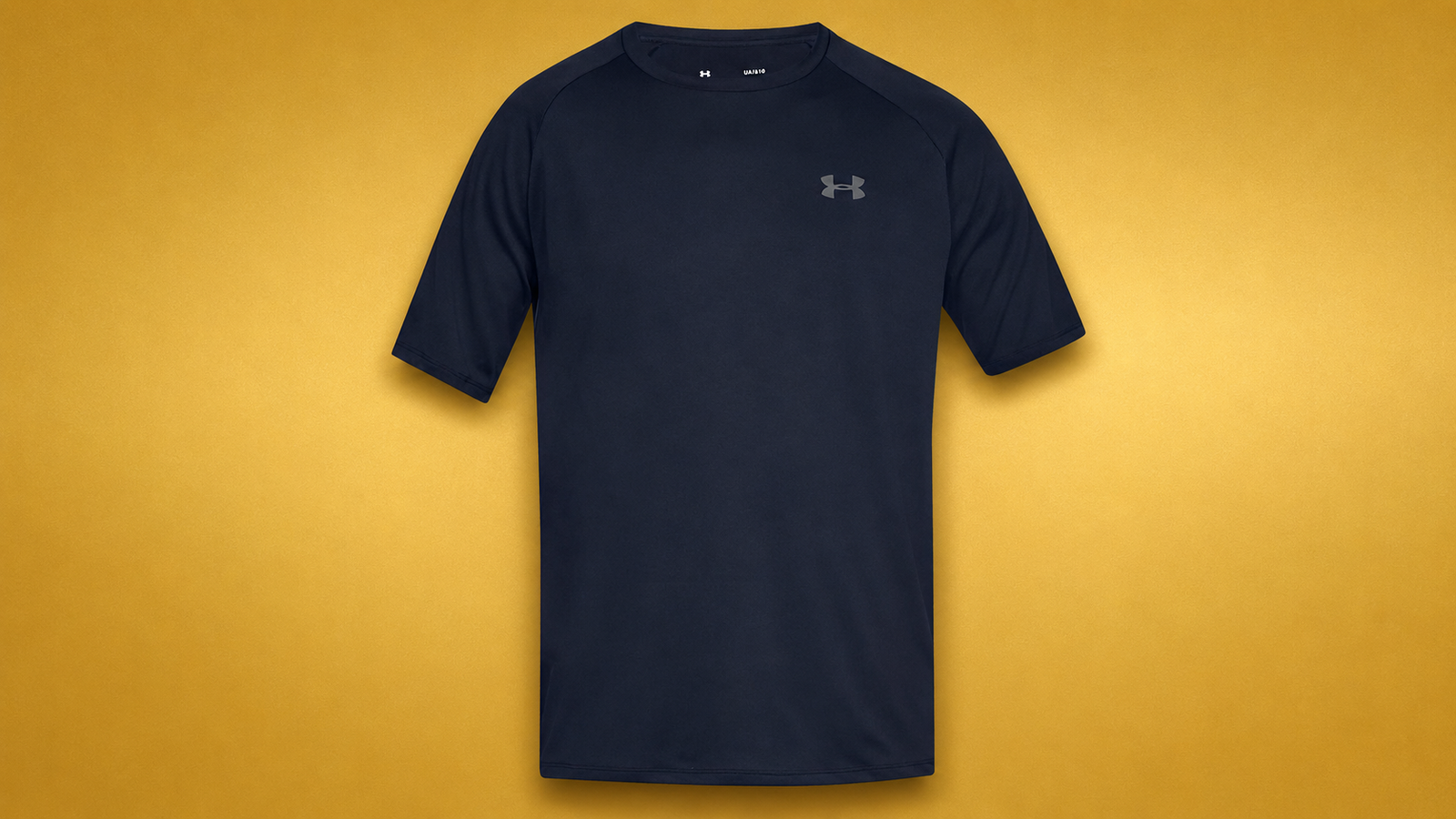
TECHNICAL RUNNING TOP
The one item where I genuinely think you should spend as little as possible. A basic polyester wicking top from a supermarket sports range does the same job as one costing five times more — the fabric science is identical, you are paying for a logo and a slightly better cut.

MERINO BASE LAYER
The one piece of expensive clothing I would defend. Merino keeps working when it is damp and holds far less bacteria than polyester — which in practice means it stays warm on a cold long run and does not stink after two wears. For October to March mornings it is a genuinely different experience.
BLACK OR BRIGHT? THE ANSWER IS BOTH — AND NEITHER.
I will admit my bias immediately: I wear black, or I wear something loud. There is no middle for me — the beige, apologetic end of activewear has never once made me want to leave the house. But there is a genuine safety argument here, and it turns out most people get it slightly wrong.
What The Safety Research Actually Says
Bright colour and reflective material do different jobs at different times of day. In daylight, fluorescent yellow, green and pink genuinely help — reflective strips do almost nothing, because there are no headlights to bounce back. After dark it reverses completely: colour becomes irrelevant and retroreflective material is everything.
The part almost nobody knows is biomotion. Reflective material placed on moving parts — ankles, calves, wrists — is dramatically more effective than the same amount on your chest, because the movement is what makes a driver’s brain read “person” rather than “object at the roadside”. A cheap pair of reflective ankle bands outperforms an expensive jacket with a logo-shaped reflective print.
So: wear whatever colour makes you want to go out. Then add reflective at the ankles and wrists between October and March, and stop worrying about it.
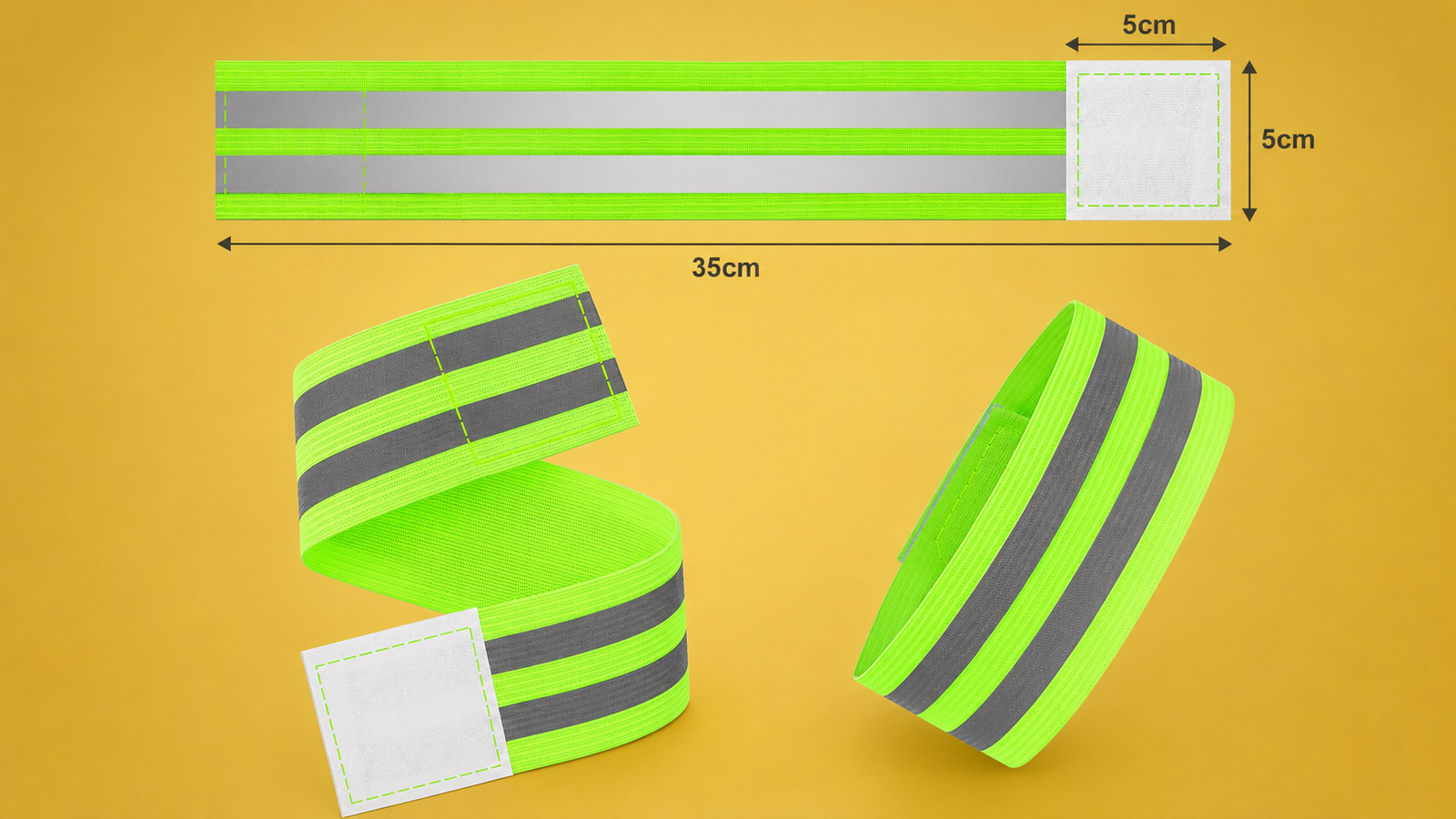
REFLECTIVE ANKLE BANDS
The best value safety purchase in running, and it costs less than a coffee. Worn at the ankles they move with every stride, which is precisely what makes a driver recognise you as a person. I keep a pair permanently in the pocket of my winter jacket so I never have to decide.
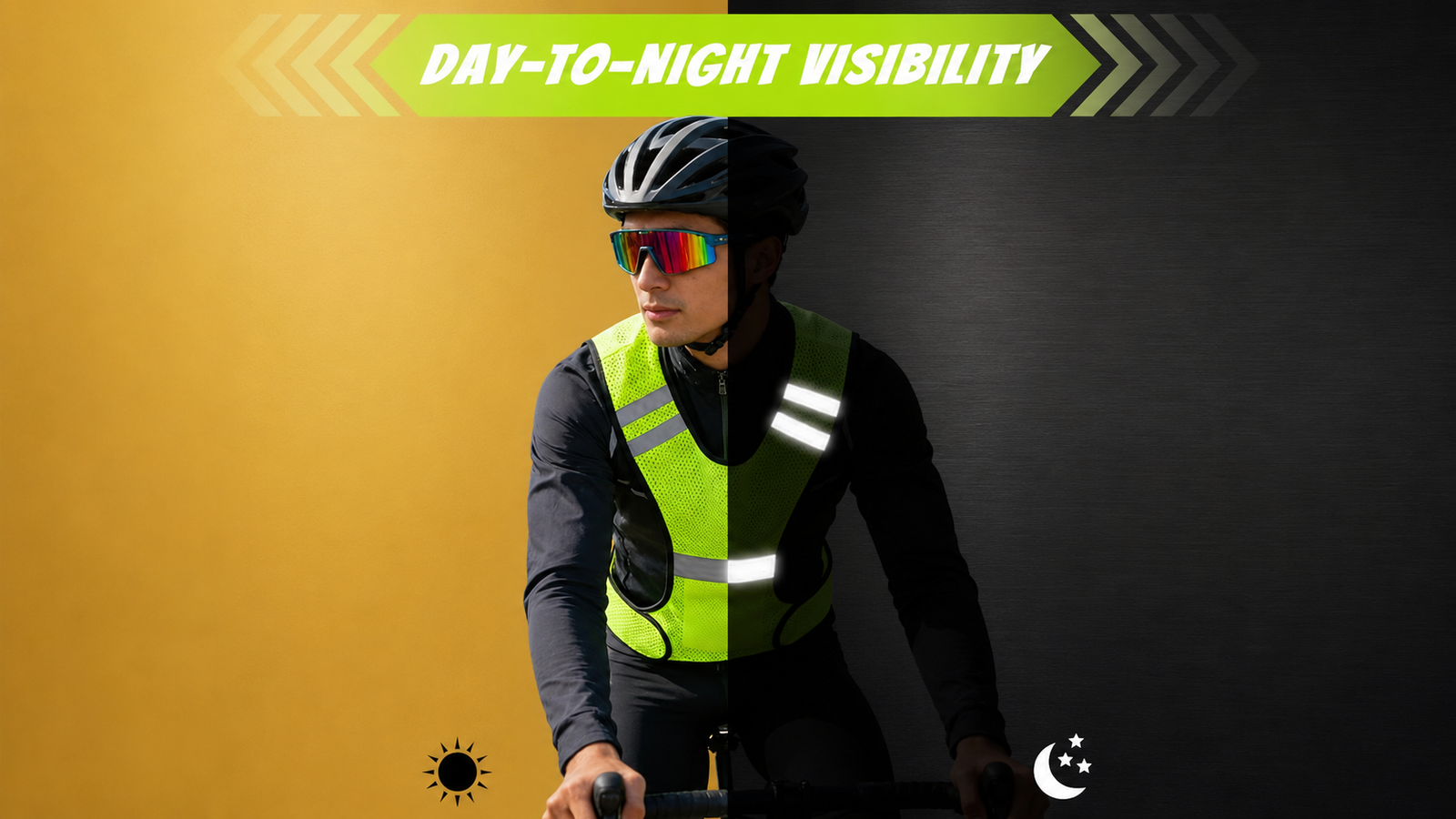
HI-VIS RUNNING VEST
The most visible single item you can wear, because it covers a large area and is immediately recognisable to drivers as a pedestrian marker rather than an unexplained light. Goes over any jacket, weighs almost nothing, packs to nothing.
THE CHEAPEST FIX IN ALL OF RUNNING.
Proper running socks prevent blisters better than any amount of shoe fitting, and they cost a fraction of the price. If you own one pair of running shoes and no running socks, buy socks before you buy anything else on this website. Here is everything nobody explains.
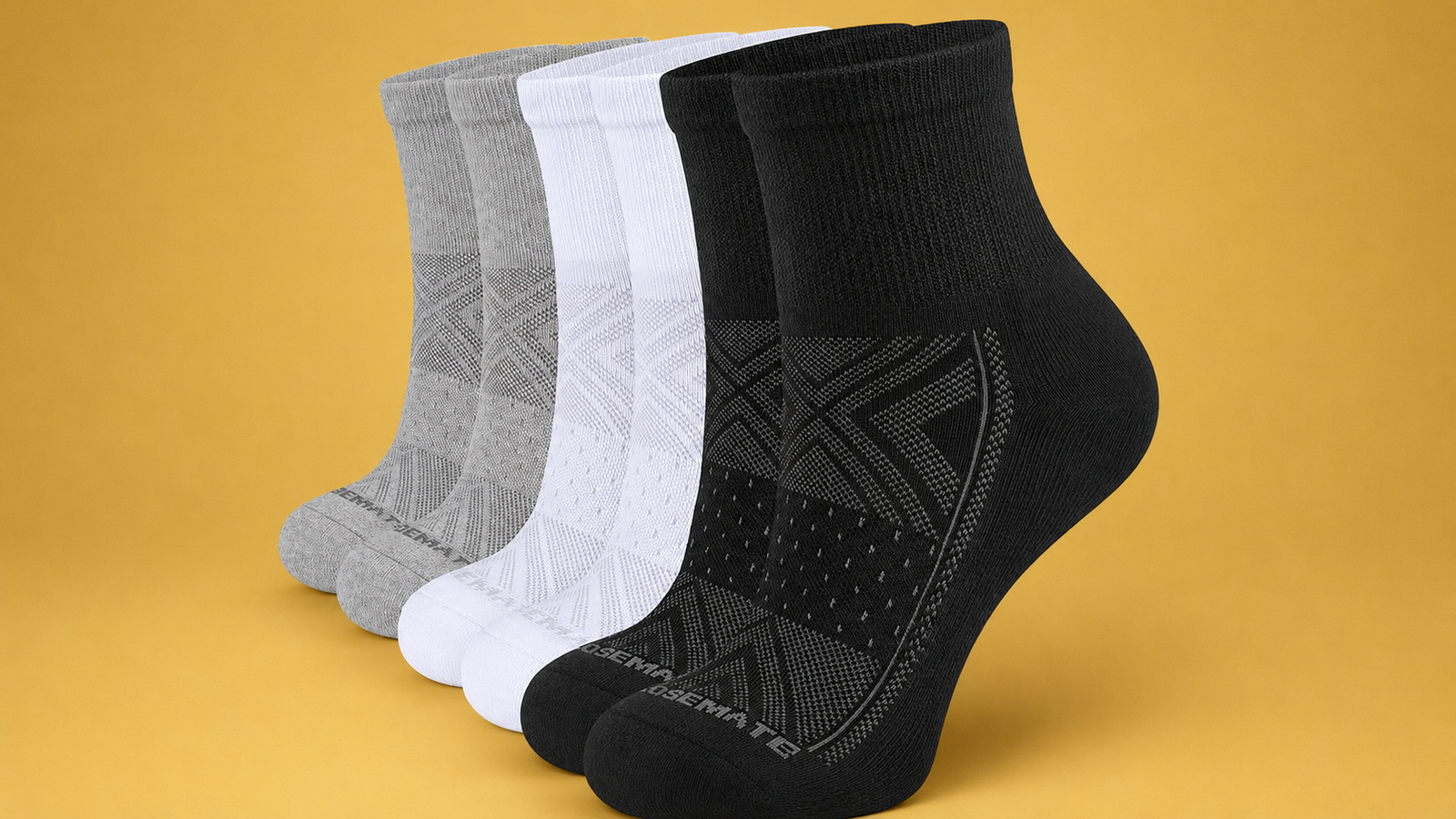
EVERYDAY RUNNING SOCKS
The pair I reach for four times a week. Tab height, synthetic, mild cushioning under the ball of the foot. Balega and Hilly are the two names that come up again and again for a reason — and the difference from a cotton sock on your first run in them is genuinely startling.
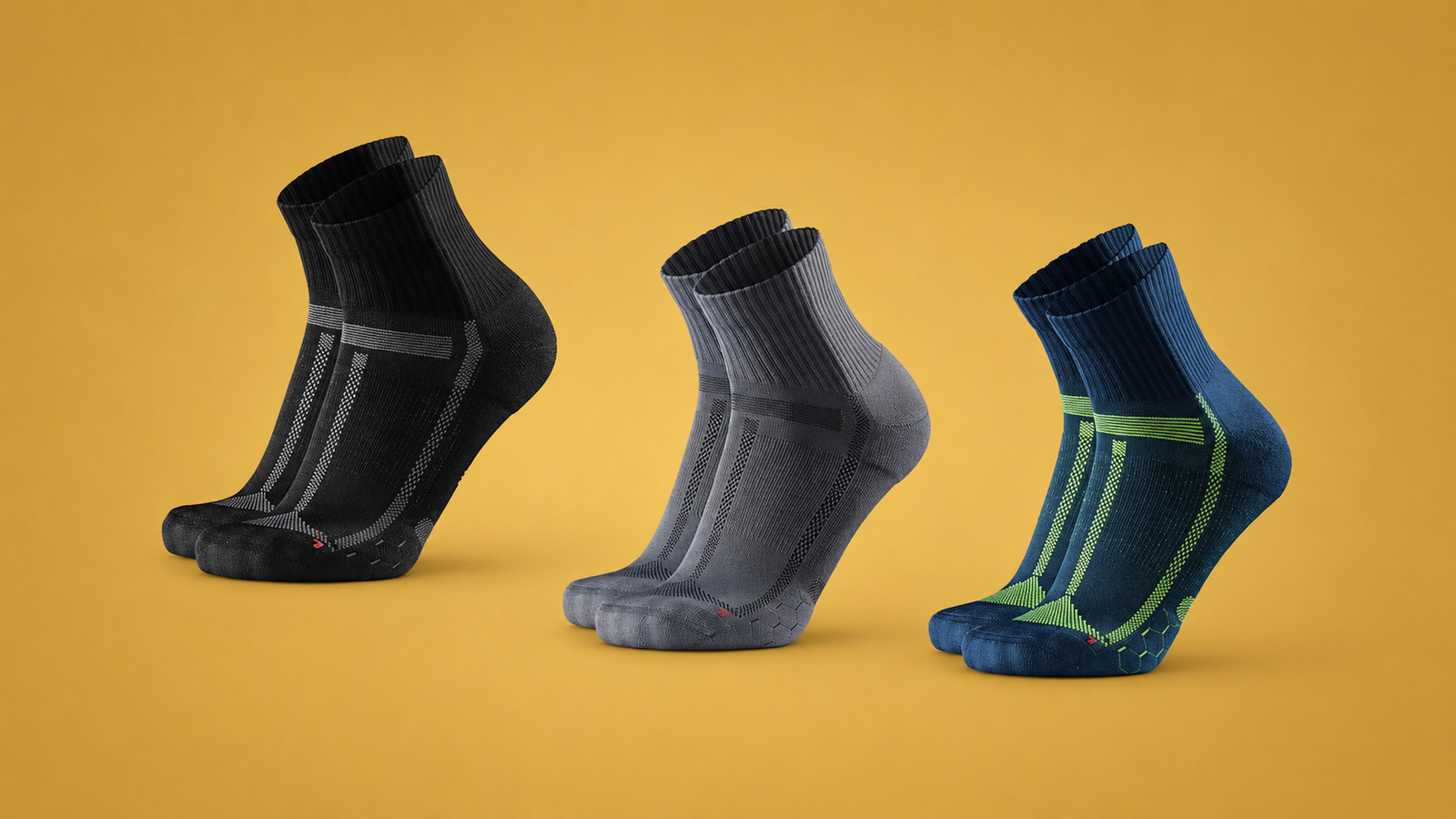
DOUBLE-LAYER ANTI-BLISTER SOCKS
If you blister no matter what you do, this is the answer and the mechanism is beautifully simple. Two thin layers move against each other instead of against your skin — the friction that would have taken your skin off is absorbed between the layers. For marathons and long trail days, worth having whatever you normally wear.
How Many Pairs Do You Actually Need?
Three. One on, one in the wash, one clean and waiting — which covers three runs a week without you ever facing a damp pair on a cold morning. That is the honest number, and anyone telling you to buy a drawer full is selling socks.
Add a fourth pair only if you run trail as well, because trail socks are genuinely a different item — thicker, higher, built to keep grit out. And on compression: the evidence that it improves running performance is weak, but plenty of people find it comfortable on long races and helpful afterwards. Buy it for comfort if you want it, not because you were promised speed.
THE MOST IMPORTANT ITEM ON THIS ENTIRE PAGE.
I am going to be direct, because this is the piece of kit that quietly stops women running and almost nobody discusses it properly. It matters more than your shoes. A badly fitting sports bra does not merely feel uncomfortable — it causes pain that people give up running over, and they usually blame their fitness rather than the bra.
What The Research Actually Found
Unsupported, breast movement increases from about 4cm when walking to 15cm when running. A well-fitted sports bra reduces that movement by up to 74%, and a well-fitting supportive bra has been reported to relieve breast pain symptoms in 85% of women who had them.
Now the part that should be better known: studies find around 80% of women are wearing the wrong bra size — roughly 70% too small and 10% too large. And over 90% of women in one study reported always wearing a sports bra to run, yet a third still experienced breast pain, rising to around 64% during vigorous activity. Wearing a sports bra is not the same as wearing one that fits.
Get measured. Properly, in a shop, by someone whose job it is. It takes ten minutes, most running shops and department stores do it free, and it is the single highest-value thing in this article. Then buy online in that size forever.
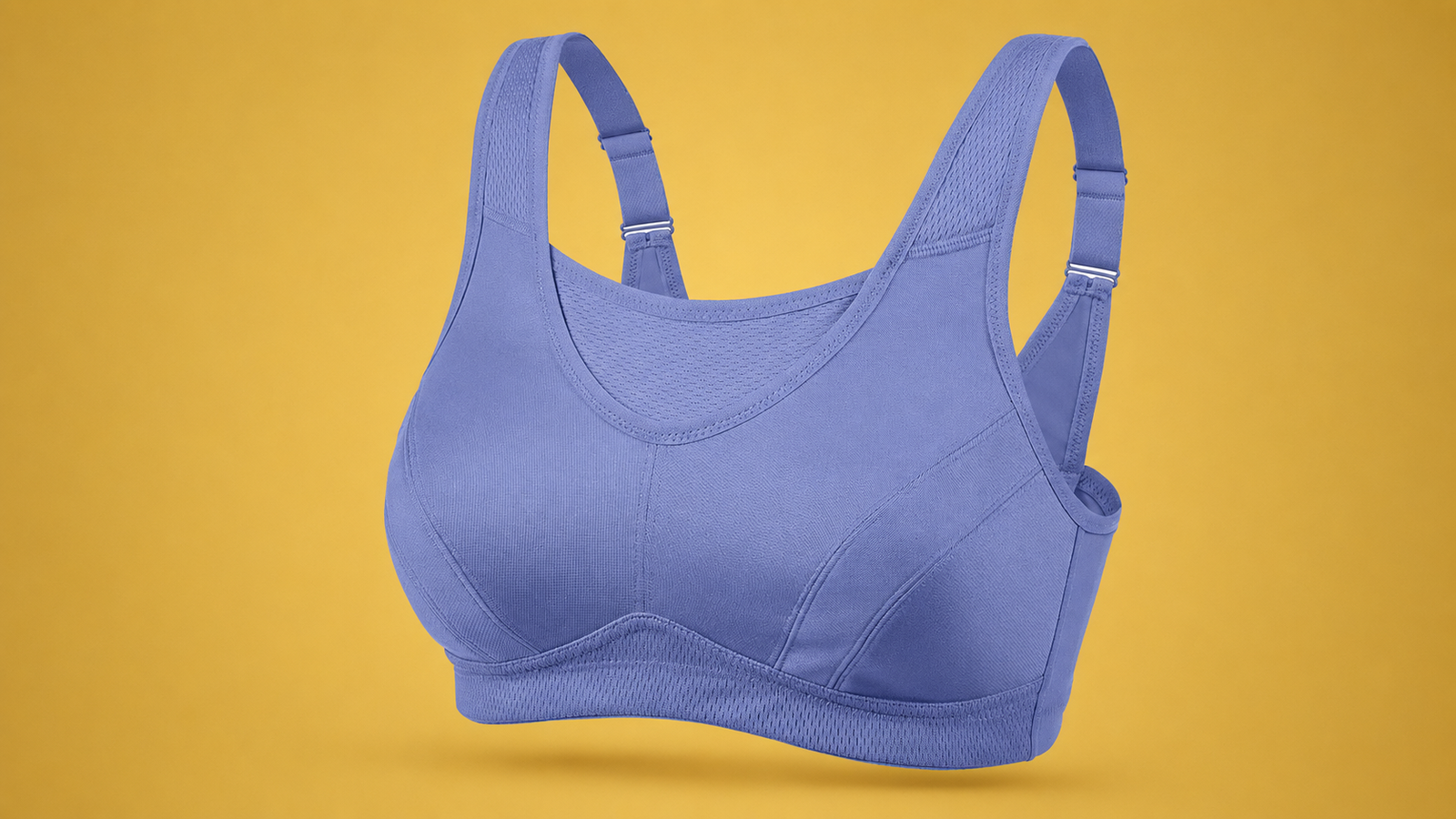
HIGH-IMPACT SPORTS BRA
For running, high-impact is the only category worth considering — and specifically one with adjustable straps, a proper hook-and-eye back, and separate cups rather than a single compression band. Encapsulation supports each breast individually and is what larger cup sizes genuinely need. Shock Absorber is the name that comes up most in the UK, at every size.
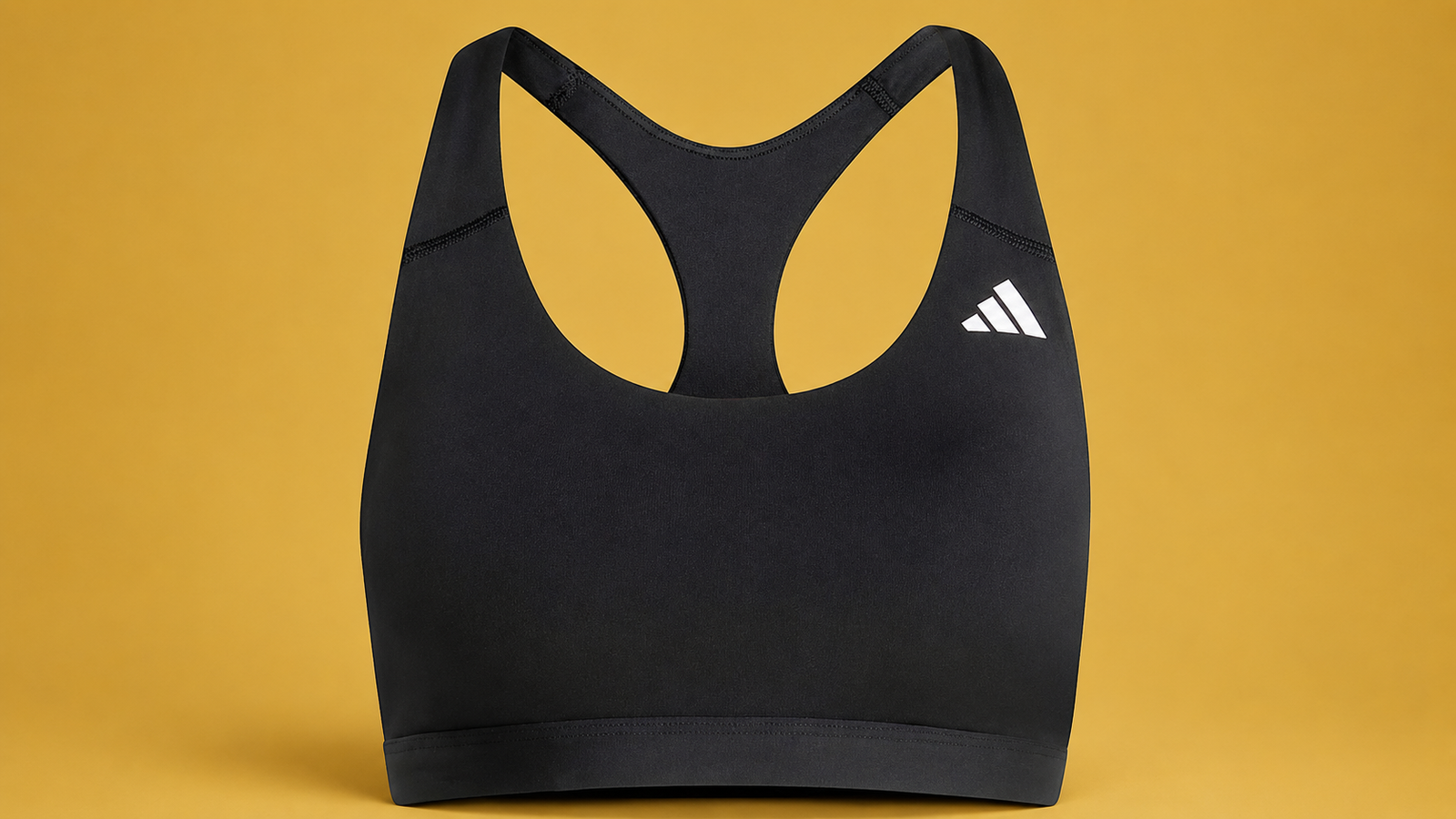
LIGHTER-SUPPORT PULL-ON BRA
If you are a smaller cup size, a good pull-on compression bra can be entirely adequate and considerably more comfortable — less hardware, no digging clasps, easier to wash and live with. Also the sensible second bra for easy runs once you own one proper high-impact one.
POCKETS THAT ACTUALLY HOLD A PHONE.
The single most reliable way to make running clothing better is to buy the version with real pockets. A phone bouncing in a waistband ruins a run; a phone in a proper thigh pocket disappears entirely. This is the category where paying a bit more genuinely buys you something, unlike tops.
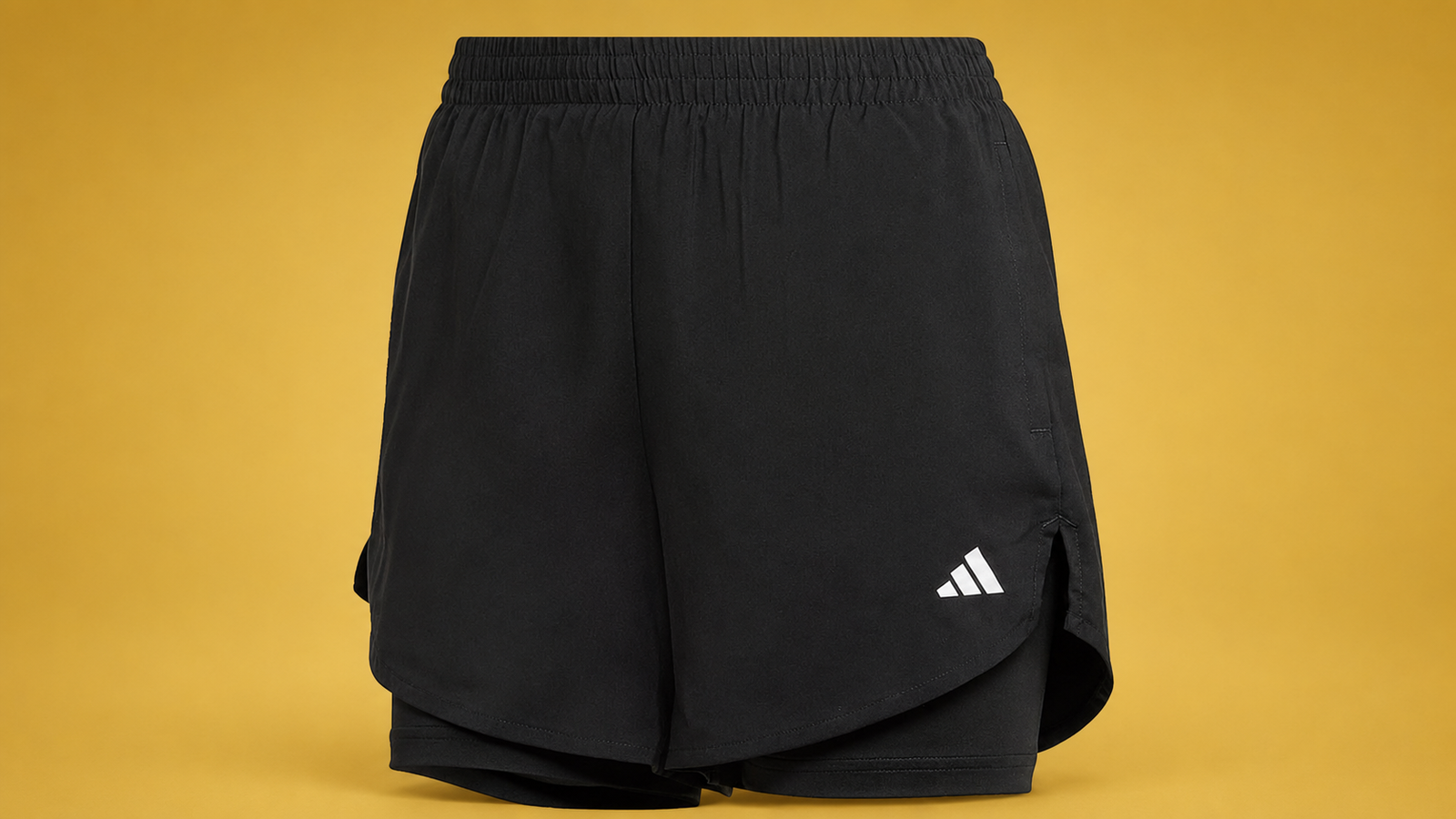
WOMEN’S 2-IN-1 SHORTS
A loose outer short over a compression liner, with a phone-sized pocket on the thigh of the liner — which is where a phone should live, because it does not bounce there. Solves chafing between the thighs at the same time, which is the other thing nobody warns beginners about.
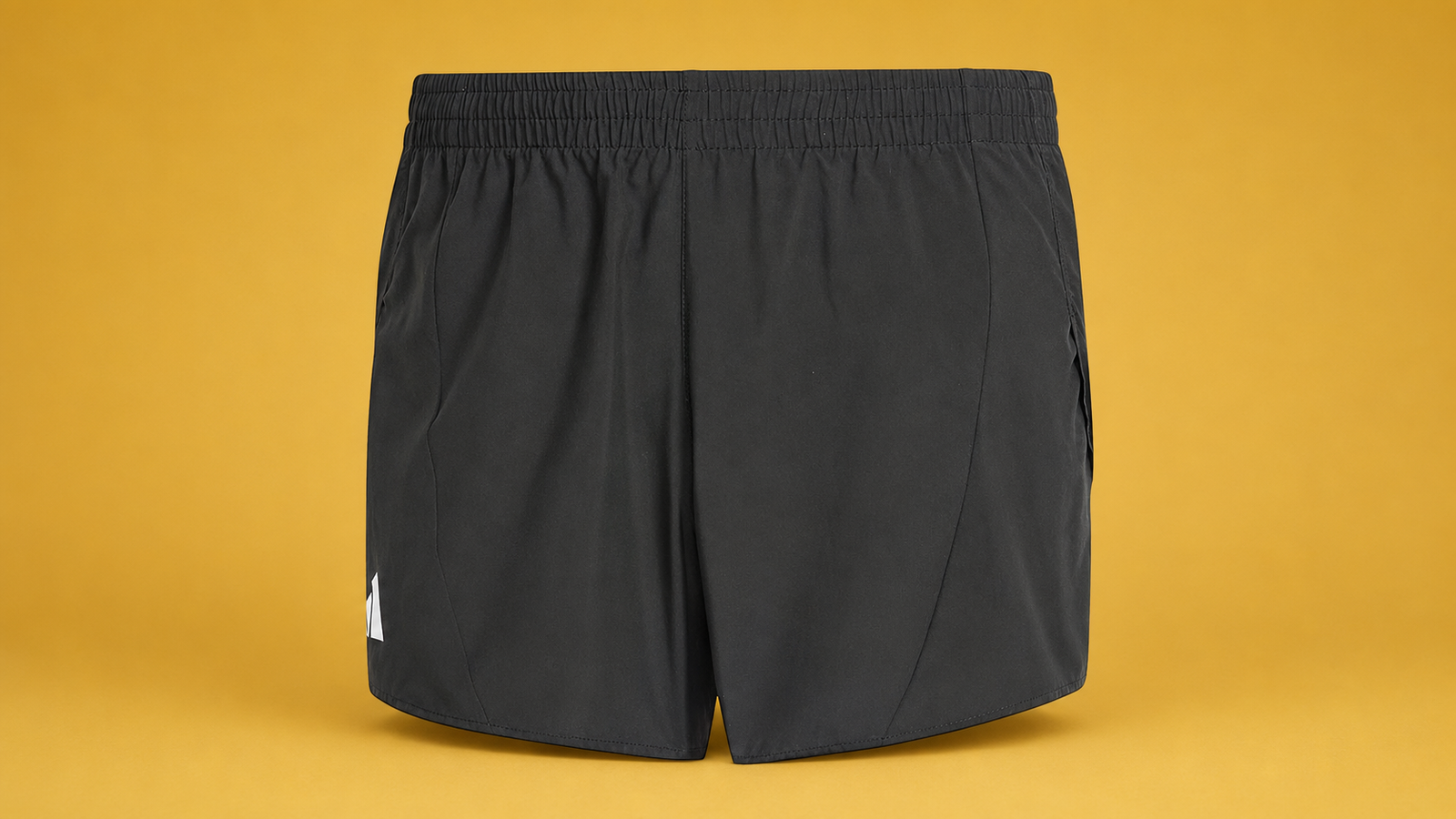
MEN’S RUNNING SHORTS
Same principle, different cut. What matters is a zipped rear or side pocket that closes — an open pocket will eject a key on a downhill and you will not notice for a mile. Built-in liner means no separate underwear, which is the correct way to wear them whatever your instinct says.
Tights, And The Thing About Winter Legs
Legs need far less insulation than you think. The rule most UK runners settle on is that below roughly 10°C you want tights, and above it you want shorts — and you should feel slightly cold for the first five minutes. If you are comfortable on the doorstep, you are overdressed and you will regret it by kilometre three.
THE SMALL THINGS THAT DECIDE THE RUN.
Nothing here is essential and all of it is nice. The carrying problem is real though — the moment you run over 45 minutes you need somewhere for a phone, a key, and eventually a gel, and holding a phone in your hand for an hour changes how you run more than people admit.
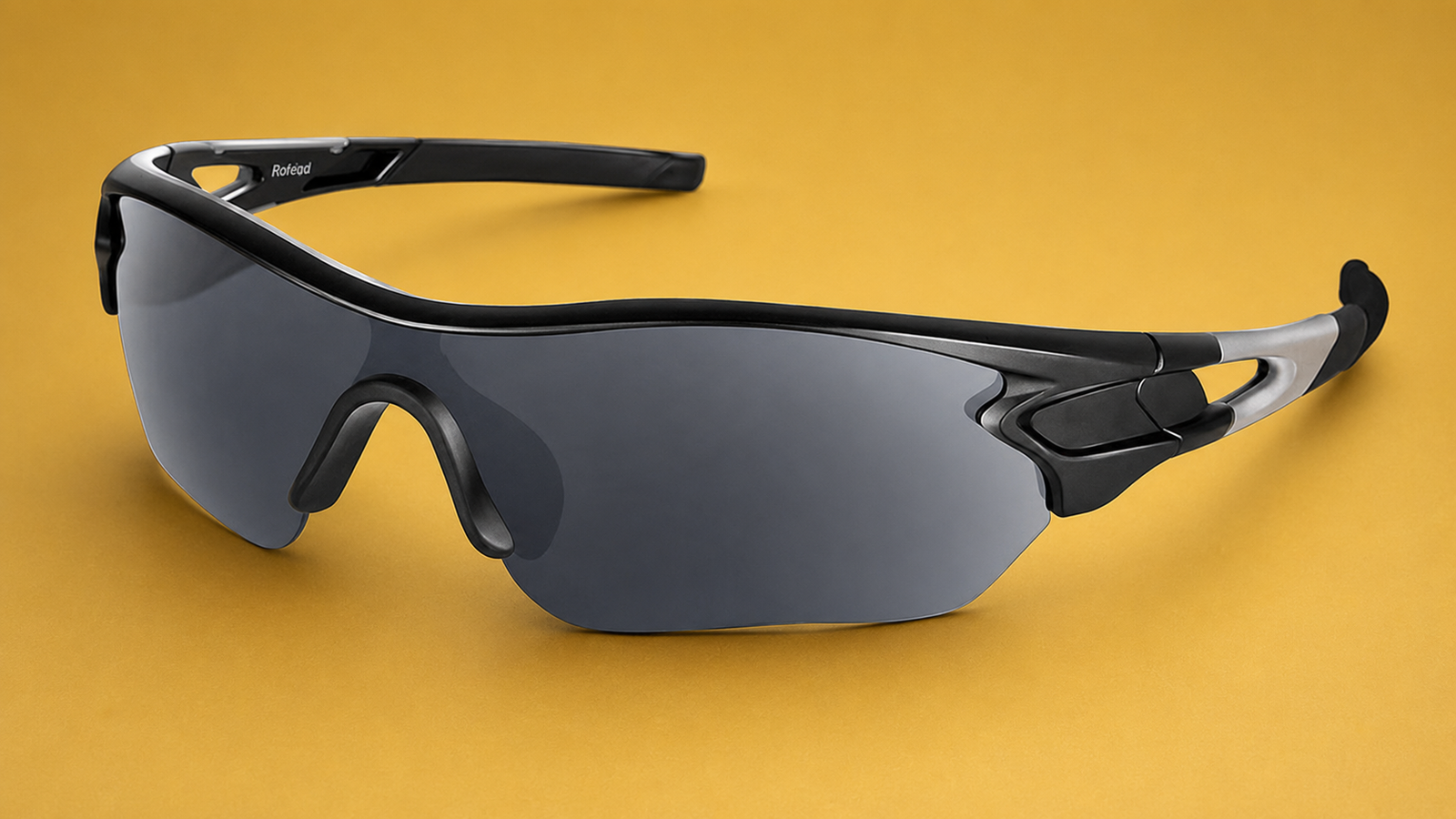
RUNNING SUNGLASSES
Ordinary sunglasses slide down a sweaty face within a mile. Running-specific ones are light enough to forget and gripped at the nose and temples so they stay put — and cheap brands like goodr and Tifosi genuinely do the job for a fraction of the designer prices. Also useful in winter for wind and low sun.
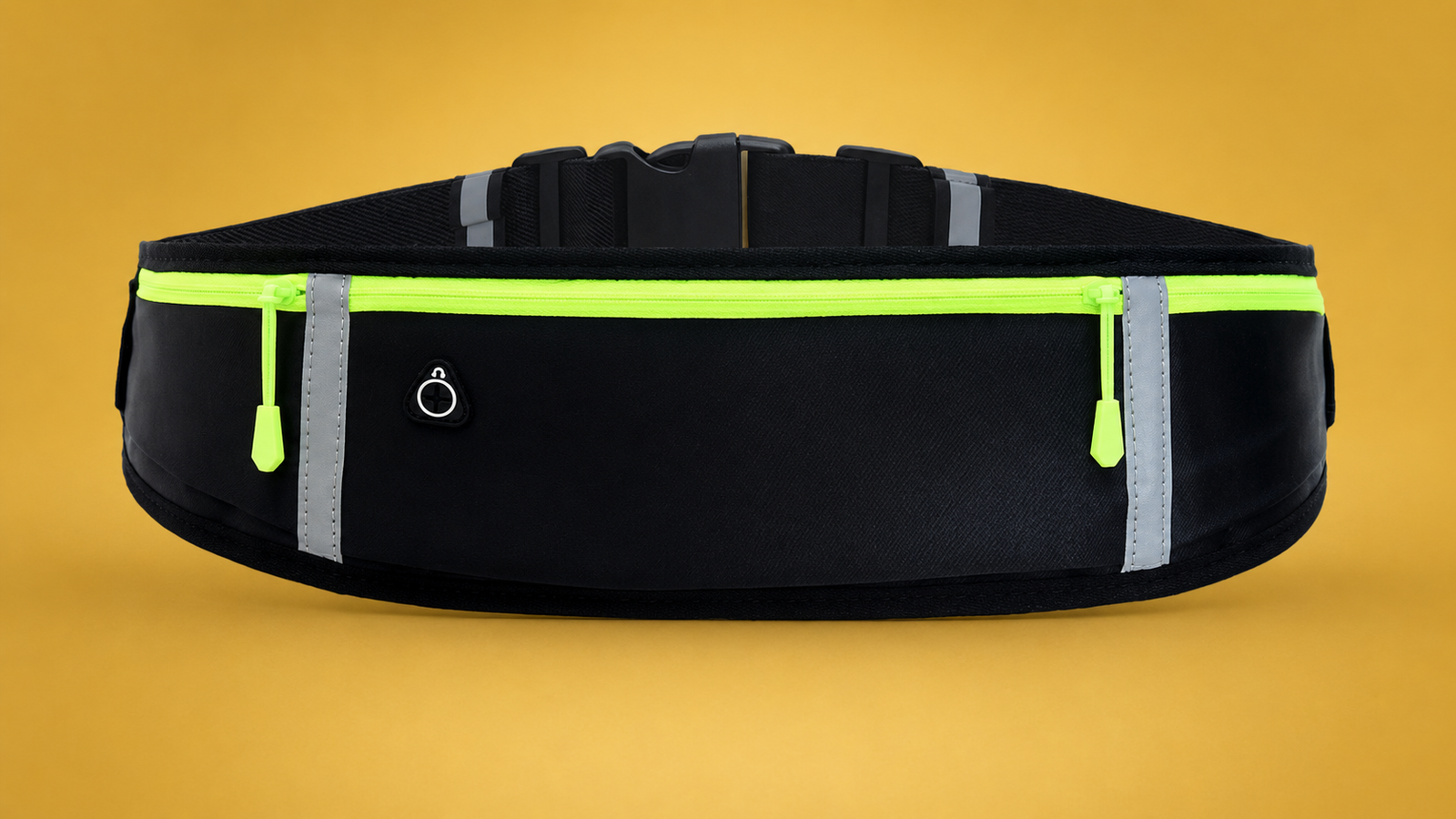
RUNNING BELT
The item that quietly solved long runs for me. A stretchy belt that sits flat against the waist — phone, key and a gel or two, and genuinely no bounce if you get the size right. The FlipBelt style with multiple openings and a zip pocket is the one most people end up with, and there is a reason.