After protein, creatine is the one supplement with the evidence to earn a place in the cupboard. It is not a stimulant and it does not do anything you feel in the moment. What it does is let your muscles refill their fastest energy system between hard efforts, which over weeks shows up as a little more strength and a little more work done. That is the whole job, and it is well proven.
The catch is not whether creatine works — it is how much you can be charged for it. The form that has thousands of studies behind it, creatine monohydrate, is also the cheapest thing on the shelf. Almost everything sold at a premium — HCl, Kre-Alkalyn, 'advanced' blends, most gummies — is a more expensive way to take the same molecule, and often a worse one.
So this page is sorted by the job, not the label, and every product includes the thing I would want you to know before you paid for it. A recommendation without a downside is an advert.
Use it — bought with my own money, in my cupboard right now. Researched — not something I use, based on independent testing and reviewer consensus.
As an Amazon Associate I earn from qualifying purchases. Same price for you. Full disclosure.
Four honest decisions. Jump to the one that's yours.
If you buy one creatine, buy monohydrate. It is the form in almost every study, the form the research bodies recommend, and — usefully — the cheapest. The only real decision here is whether you want the rock-bottom price or the extra reassurance of independent testing. Both tubs below are the same molecule; they differ on certification, not effect.
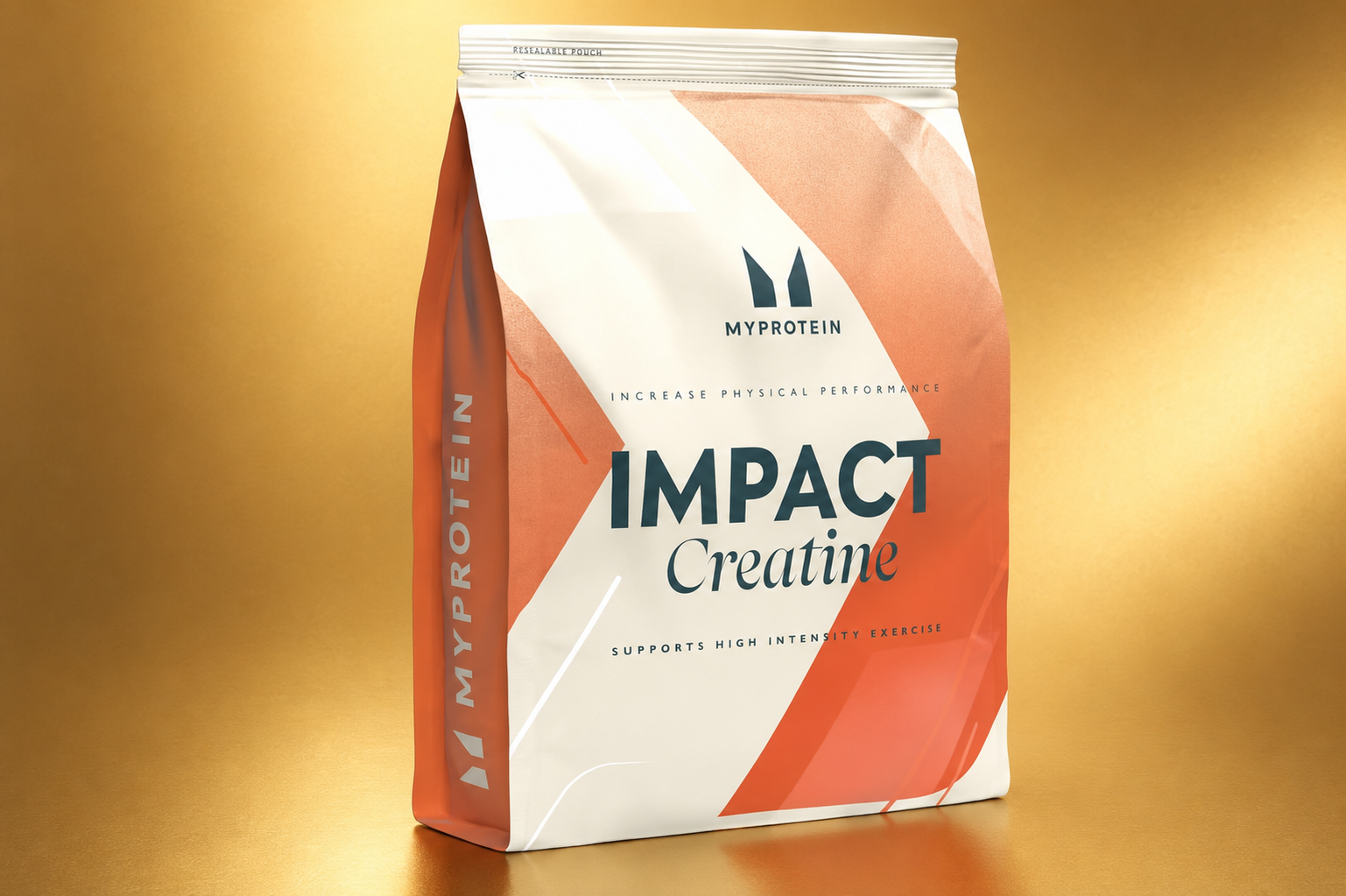
The default British tub, and there is nothing wrong with that. Micronised creatine monohydrate at three to five grams a day, a bag that lasts months, and a per-serving cost measured in pennies. Creatine is a commodity — the molecule in the cheap bag is the same one in the expensive one — so unless you are chasing a certification, value is a perfectly sound reason to choose.
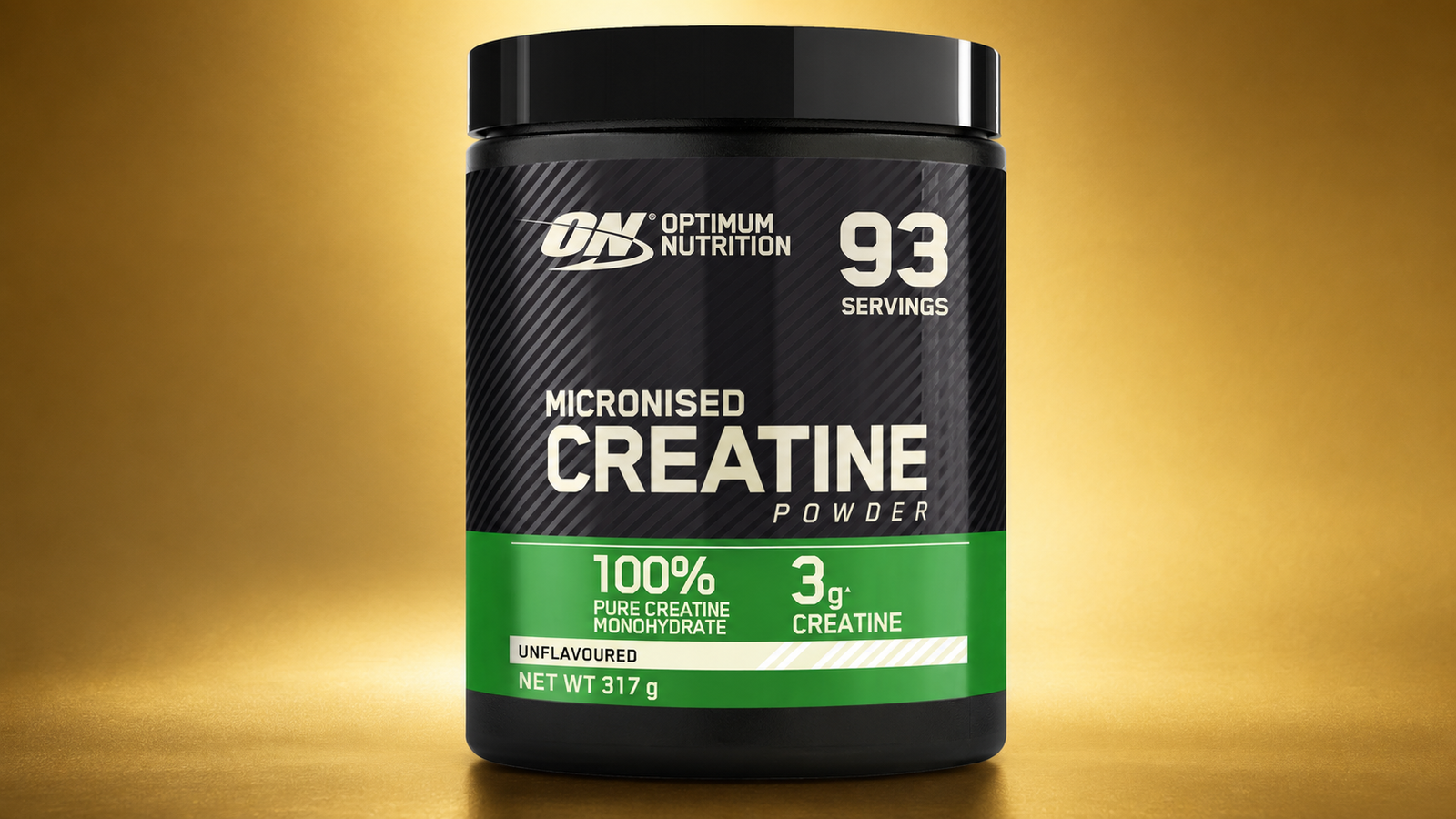
The one to buy if you compete or just want the safest known quantity. It is made with Creapure — creatine monohydrate manufactured in Germany to 99.99% purity — and batch-tested under Informed Sport, so what is in the tub is checked by someone independent. You pay a little more than the value bags for that testing, and on a supplement you take every day, many people decide it is worth it.
Three to five grams every day, training day or not — the point is to keep your muscles saturated, not to time it around a session. A loading phase (around twenty grams a day for five to seven days) only fills the tank faster; skip it and a flat five grams gets you to the same place in three to four weeks, with less chance of an upset stomach. Timing barely matters, so take it whenever you will remember. Vegetarians and vegans tend to feel it most, because they start with lower stores.
Plenty of people quit creatine not because it fails but because they will not drink the gritty mix. Fair enough — a dose you actually take beats a perfect powder in the cupboard. Both options here solve the texture problem; both cost you something for it, one in money and one in certainty.
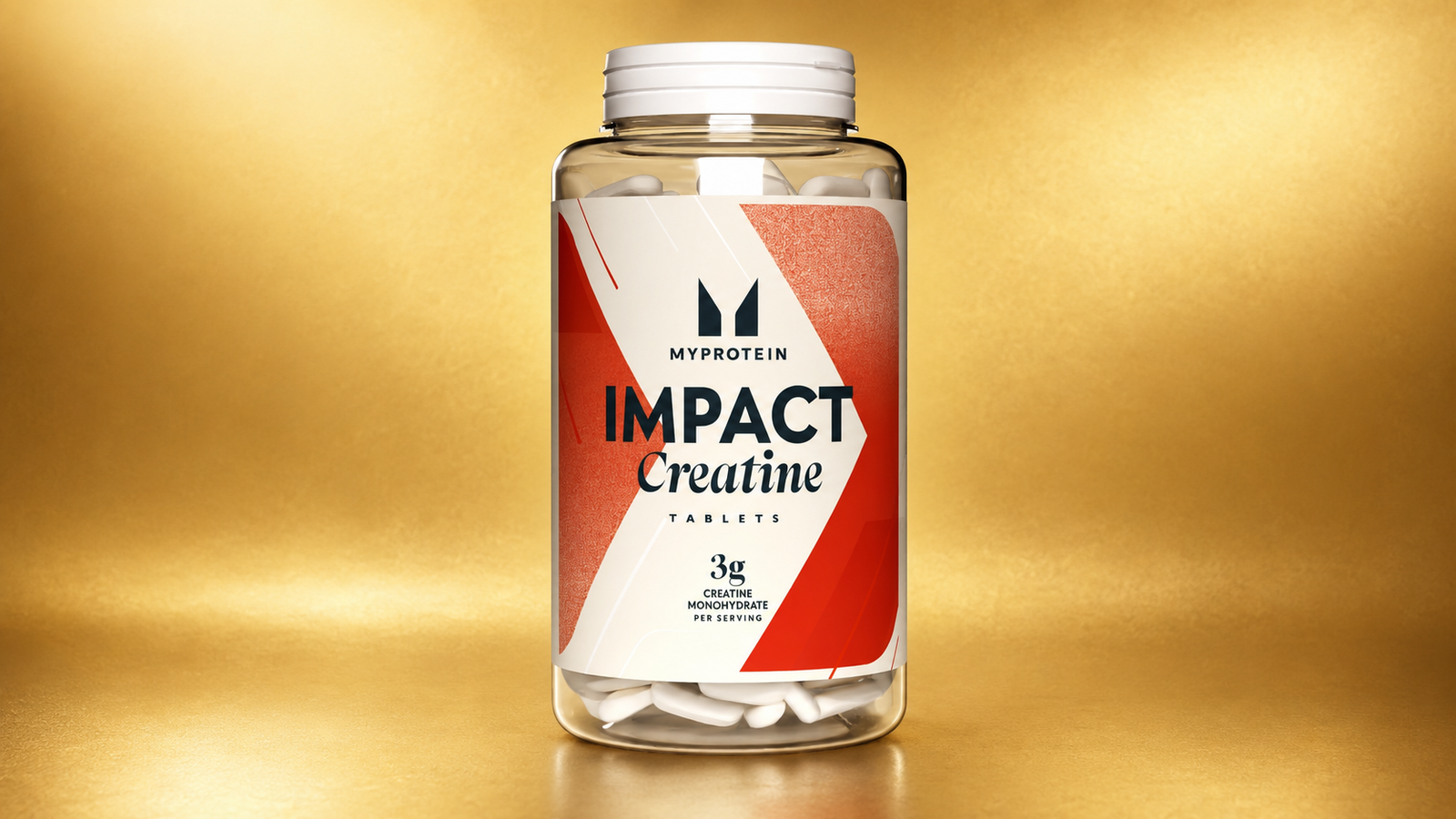
The honest fix if it is the chalky, half-dissolved powder you cannot stand rather than creatine itself. Same monohydrate, sealed dry in a capsule, no shaker to wash and nothing to taste. It works exactly as well as the powder — the only thing you lose is money per gram.
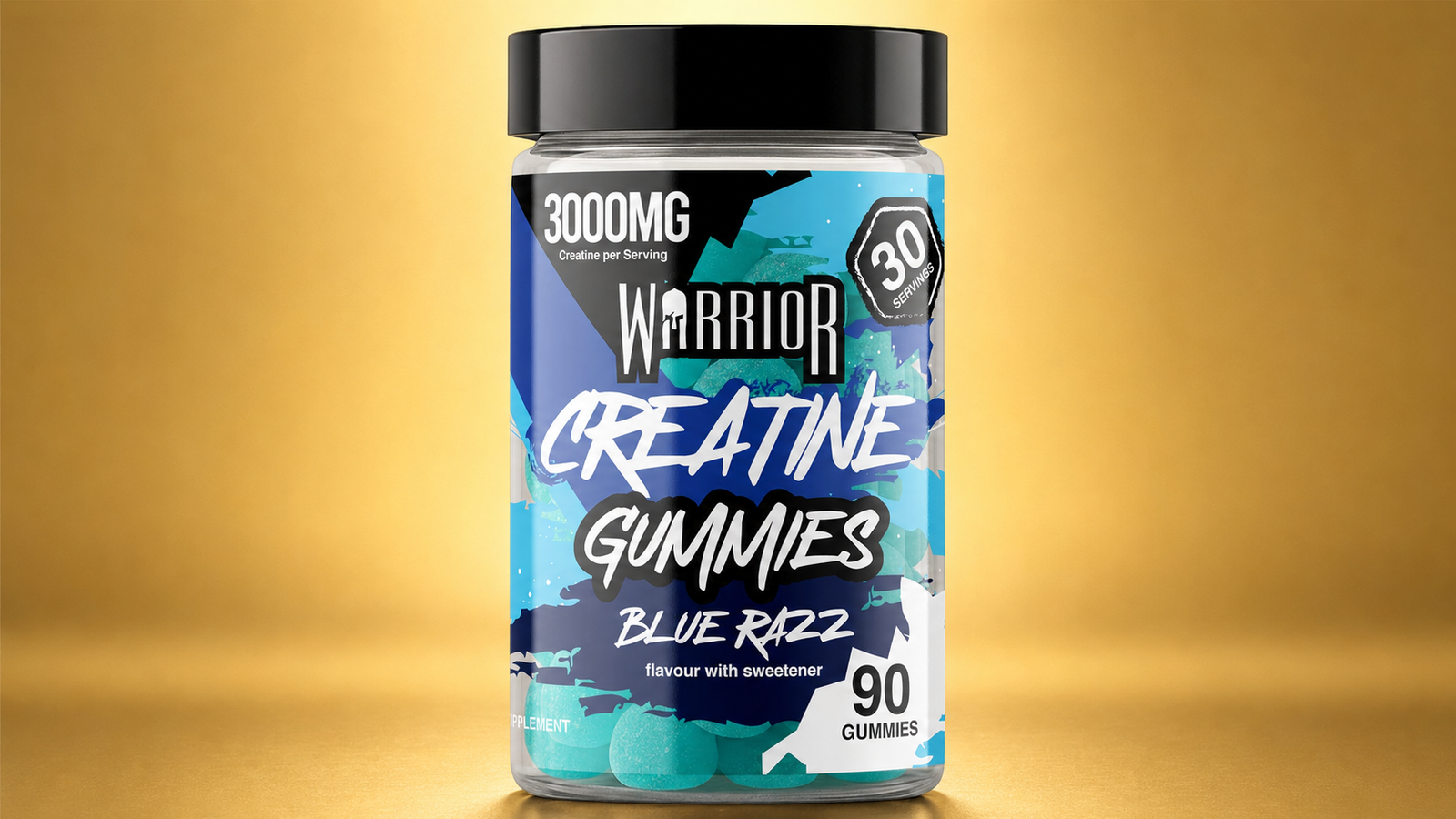
The format everyone wants to work: a sweet you chew instead of a drink you mix. When a gummy genuinely contains its stated five grams of monohydrate, it works like any other creatine. The problem is trusting that it does — which is exactly what the testing below is about.
Creatine monohydrate is stable as a dry powder but degrades in moist, acidic conditions — turning into creatinine, a useless breakdown product. A gummy is exactly that environment. Lab work has shown up to around 60% degradation within 28 days in acidic solution, and a 2024 test by NOW Foods found five of twelve gummy brands contained little to no actual creatine. The gummies that pass are fine; the format gives you no way to know which those are without independent testing.
Give the marketing its due: HCl and Kre-Alkalyn are more soluble and sound more sophisticated, and for a few people the plainest monohydrate does cause mild bloating. That is the whole honest case for them. It is just not enough to justify the price, because on the outcomes that matter they do not beat the cheap tub.
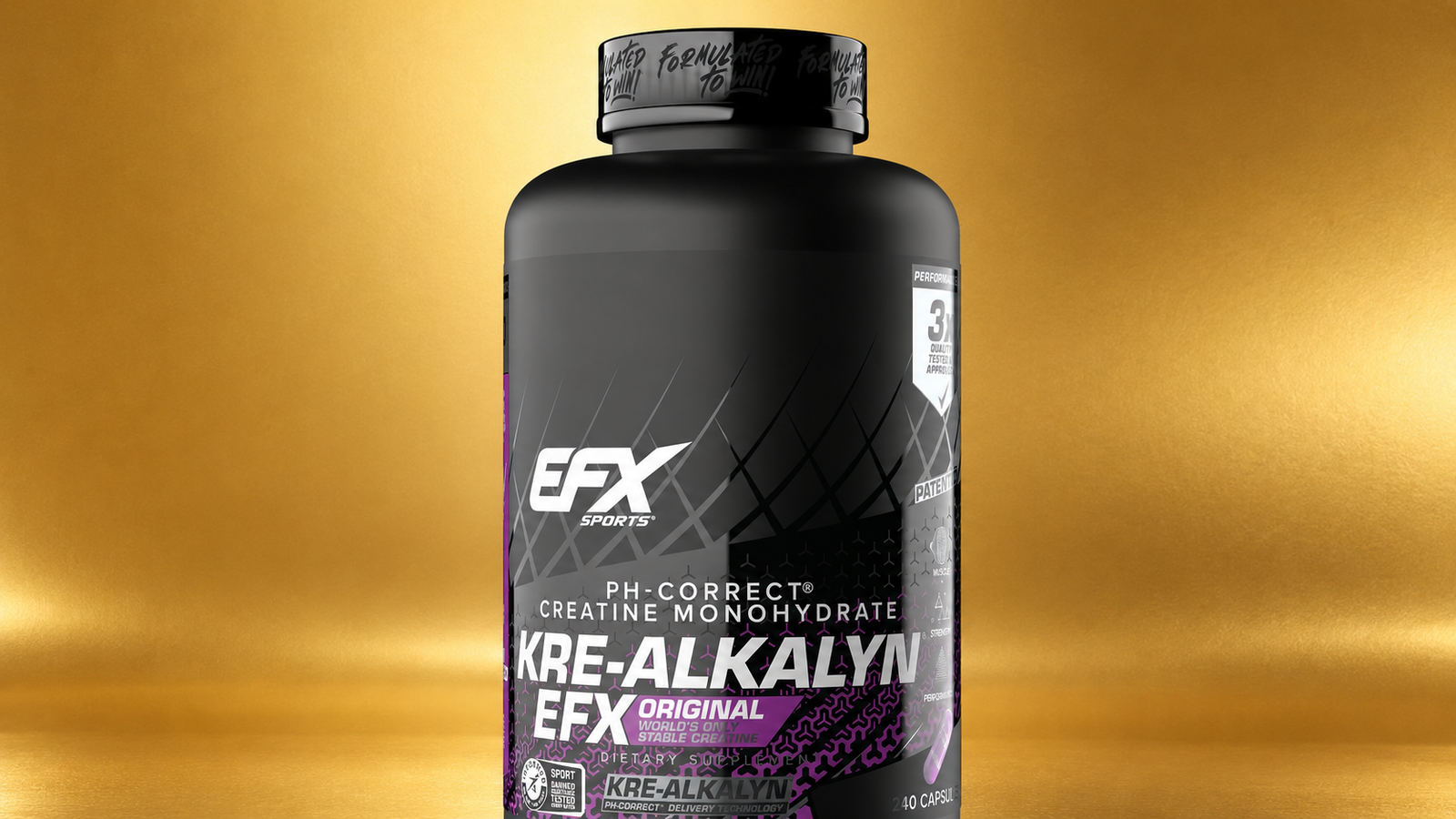
This is the shelf that sells you a problem so it can sell you the fix. HCl, Kre-Alkalyn and the ester forms are marketed as better absorbed, gentler on the stomach and needing no loading. It is a tidy story. The trouble is that when researchers put these forms head-to-head with plain monohydrate, they raise muscle creatine and strength no more — and one trial testing the 'fewer side effects' claim found no real difference either. You are paying a large premium for a molecule that does the same job as the cheap one.
Creatine monohydrate has thousands of peer-reviewed studies; the newer forms have a handful, often small and manufacturer-funded. A controlled trial by Jagim and colleagues compared Kre-Alkalyn to monohydrate and found no greater rise in muscle creatine, body composition or training gains. The research bodies that review this literature keep landing in the same place: monohydrate is the reference form, and nothing has beaten it. Buy the boring one.
Creatine is one of the most studied supplements in existence, and the scares around it have not survived that scrutiny. It is worth separating two questions: is the powder clean, which is about sourcing and testing, and is creatine itself safe, which the research answered a long time ago. Both are below.
Neither is a different kind of creatine. Creapure is a brand of creatine monohydrate made by AlzChem in Germany, certified to 99.99% purity — it tells you the raw material is clean and consistent. Informed Sport is a testing programme: it batch-tests finished tubs for banned substances and contamination, so a certified batch has been checked by someone with no stake in selling it. For an everyday supplement, one or both of those logos is the spec worth paying a little for.
Kidneys: the fear comes from creatine slightly raising creatinine, a marker doctors use for kidney function — but that is a measurement artefact, not damage. Reviews across hundreds of studies find no kidney or liver harm in healthy adults at normal doses. If you have existing kidney disease, clear it with your GP first. Hair loss: traces back to a single 2009 study that saw a rise in DHT, never replicated; a more recent trial found no change in the hormones linked to hair thinning. Water weight: the early one-to-two kilo gain on the scale is water drawn inside the muscle, not fat — it is the supplement working, not a warning.
It is the form with thousands of studies and the lowest price. HCl, Kre-Alkalyn and 'advanced' blends are the same molecule sold dearer. Buy monohydrate and stop reading the fancy labels.
Saturation is the whole point, so consistency beats timing. Loading just fills the tank faster; a flat five grams daily gets you there in a few weeks with less stomach upset.
A Creapure or Informed Sport mark means someone independent checked the tub. For gummies it is not optional — it is the only way to know the dose is real.
The early kilo or two is water pulled into the muscle, not fat. If the number on the scale worries you, that is the reason — and it is a good one.
No. Loading — around twenty grams a day for a week — only saturates your muscles faster. A steady five grams a day reaches the same level in three to four weeks and is gentler on your stomach.
There is no good evidence that it does. The worry comes from one 2009 study showing a rise in DHT that has never been replicated, and a recent trial found no change in the hormones linked to hair thinning.
No. Any quick gain on the scale is water stored inside the muscle, not fat, and for most people it is a kilo or two that settles. It is a sign the creatine is working.
Not in healthy people. It slightly raises creatinine, a marker used to estimate kidney function, but that is a measurement quirk, not harm — hundreds of studies show no damage at normal doses. Check with your GP first if you have kidney disease.
Monohydrate, every time. Head-to-head trials show HCl and Kre-Alkalyn are no more effective, cause no fewer side effects, and cost many times more.
Only if the gummy truly contains its stated dose — and 2024–25 lab tests found many did not, because creatine degrades in the acidic gummy. If you want gummies, buy a brand that publishes third-party test results.
Yes, if they want the strength and recovery benefits — it works the same way and does not affect female hormones. The dose is the same three to five grams a day.
The whole page comes down to one unglamorous line: buy creatine monohydrate, take five grams every day, and choose a tub that has been tested. Everything sold above that — the clever forms, the underdosed gummies, the promises of better absorption — is a more expensive way to take the same molecule.
Spend four pounds a month on the boring bag, ignore the scale for a fortnight, and put the money you saved toward the food and training that actually do the work.
Products marked USE IT are ones I buy and use. Those marked RESEARCHED are based on independent testing and reviewer consensus, not personal use. Educational content, not medical advice — if you are pregnant, breastfeeding, managing a health condition or take regular medication, speak to your GP before adding supplements.