VITAMINS & MINERALS · FOR ACTIVE WOMEN IN THE UK

THE FOUR VITAMINS actually worth your money.

Here is the honest starting point, because the vitamin aisle is built on anxiety: a varied diet already covers most of what a multivitamin sells you, and the excess of anything water-soluble leaves your body the same day. A twenty-pill 'women's complex' is mostly marketing and mostly wee.

But a small handful genuinely earn their place — not because a label says so, but because the UK climate, a monthly bleed and hard training create real gaps that food alone struggles to fill. This page is only those. Vitamin D, omega-3, magnesium and iron — what the evidence supports, which form to buy, and the honest dose.

How To Read This Page

USE ITRESEARCHED

Use it — in my cupboard, bought with my own money. Researched — not something I take, based on independent testing.

Not medical advice. Fat-soluble vitamins and iron can build up and harm you — do not megadose, test before iron, and speak to your GP before K2 if on blood thinners. As an Amazon Associate I earn from qualifying purchases. Full disclosure.

THE FOUR THAT EARN IT

Skip the multivitamin. These are the ones with evidence.

Vitamin DThe one nearly every UK adult needs — D3 & K2Jump ↓
Omega-3Heart, brain, joints — fish or algaeJump ↓
MagnesiumSleep, cramp, calm — which form mattersJump ↓
Iron (for women)Test first — the gentle one vs the cheap oneJump ↓
01 · VITAMIN D

THE ONE ALMOST EVERY UK ADULT IS SHORT OF.

If you take nothing else from this page, take this. Vitamin D deficiency is genuinely common in Britain because of where we live, and it touches mood, immunity and bone strength. The only real decision is whether you want plain D3 — the NHS baseline — or D3 paired with K2, which is the version I use.
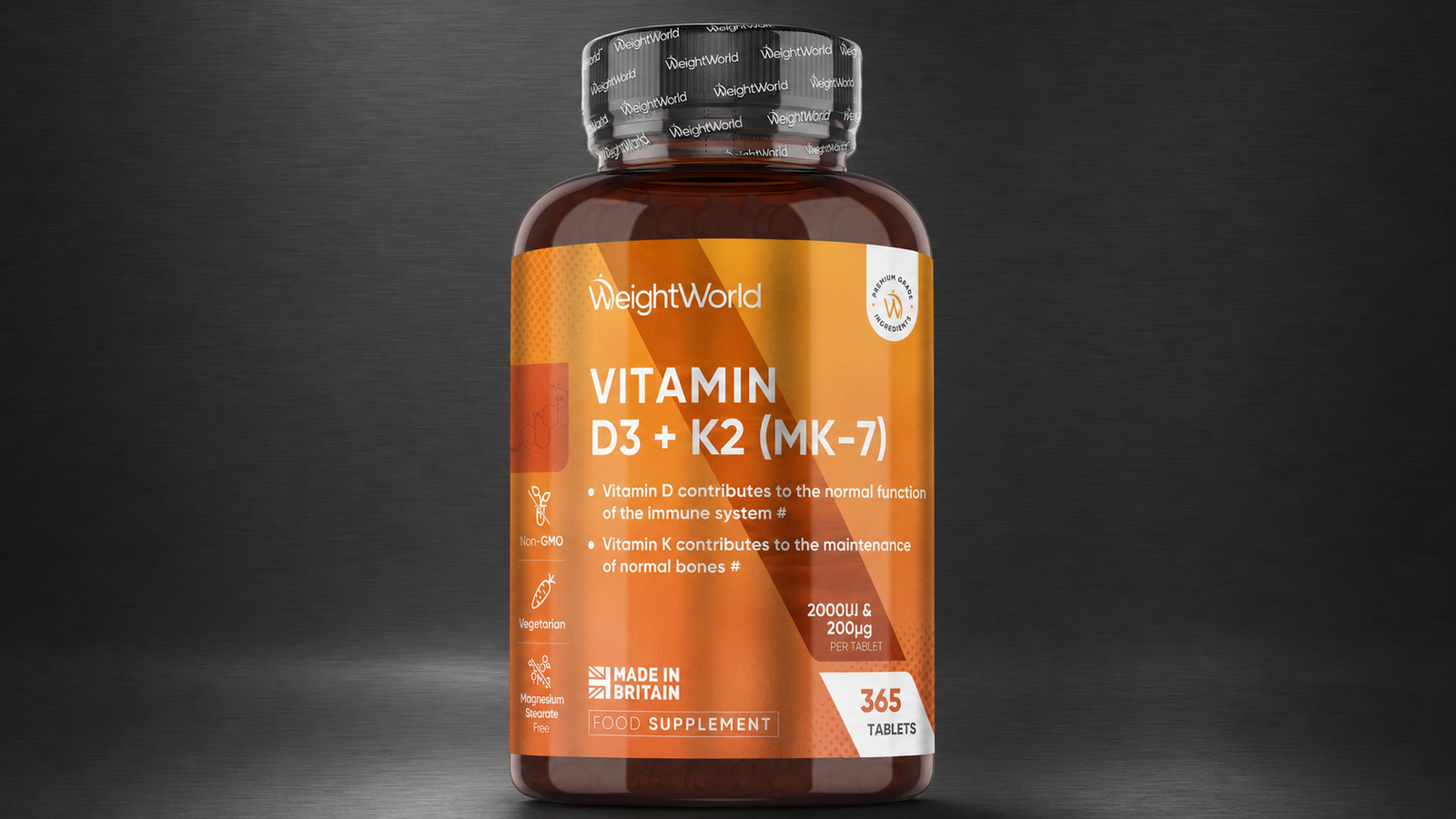
USE IT
Bottle of vitamin D3 and K2 drops or capsules

VITAMIN D3 + K2

D3 & K2 (MK-7) · My Daily · Winter

This is the one in my cupboard, and the single supplement I would tell almost any UK adult to take from October to March. D3 lifts how much calcium you absorb; K2 as MK-7 then does the underrated job of steering that calcium into your bones and away from your arteries. Buying them together just makes sense — and MK-7 has a long enough half-life that one daily dose holds.
Best forWinter, bones, immunity
Dose1000–2000 IU D3 + ~90–200µg K2
FormK2 as MK-7, not MK-4
VIEW ON AMAZON UK →
RESEARCHED
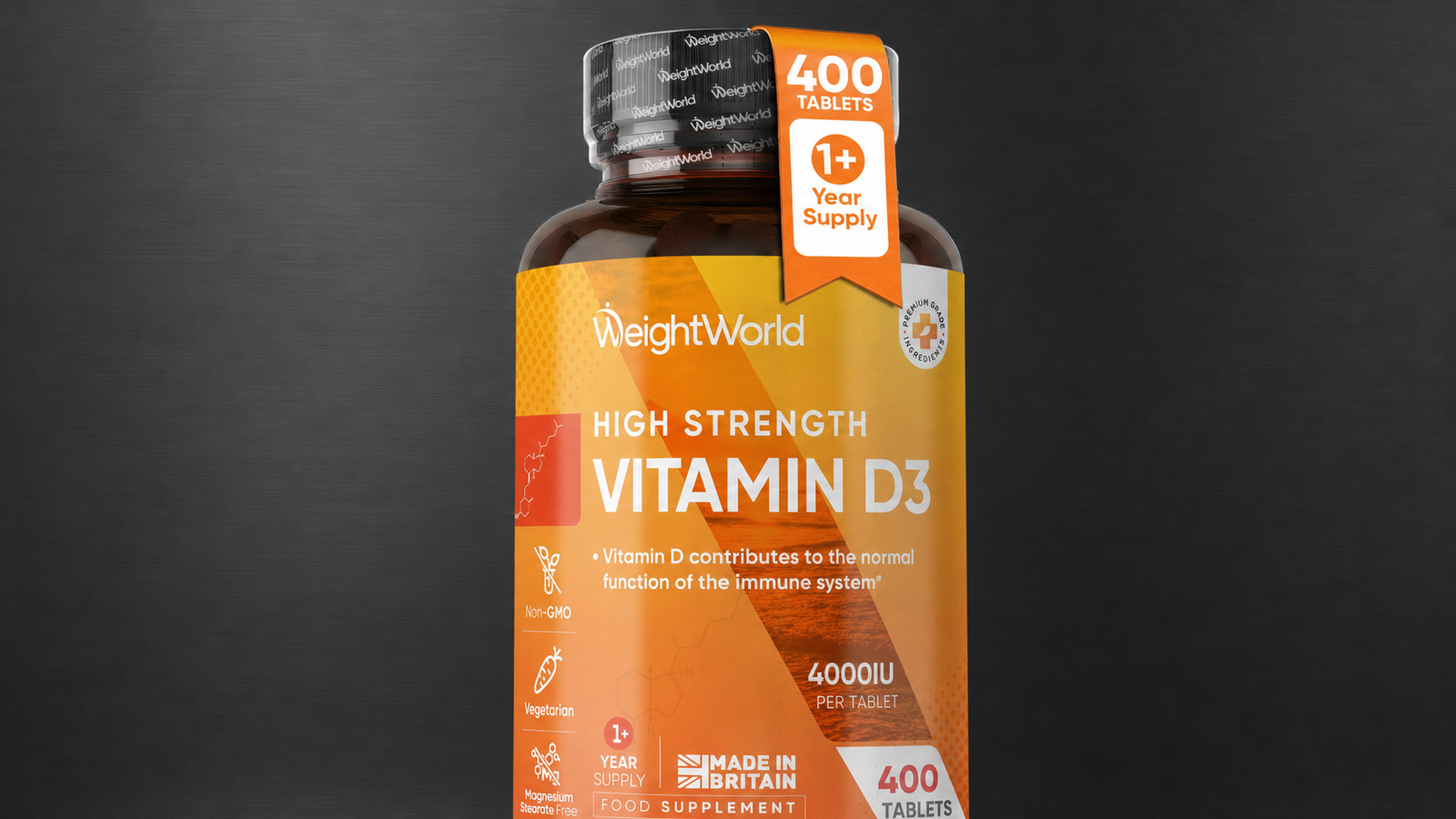
Bottle of plain vitamin D3

VITAMIN D3 ONLY

D3 · Simplest · Cheapest

If you want the bare minimum the NHS actually recommends, plain D3 is it — 10 micrograms (400 IU) a day through autumn and winter for every adult in Britain, because our latitude does not give us enough sun to make our own. It works, it is cheap, and for many people it is genuinely all they need. The K2 above is the upgrade, not a requirement.

Best forThe NHS baseline
Dose10µg (400 IU) daily, Oct–Mar
NoteCheapest effective option
VIEW ON AMAZON UK →

Why The UK Is A Special Case

Above roughly 37 degrees of latitude — and all of Britain is well north of that — the winter sun sits too low for your skin to make meaningful vitamin D for about half the year. That is why the NHS advises every adult to consider 10 micrograms daily from October to March, and year-round if you cover up or rarely get outside. On the K2 question: the best trial is a three-year study in 244 postmenopausal women where 180 micrograms of MK-7 a day slowed bone-density loss. The artery benefit is plausible but not settled — take K2 for your bones, and treat cleaner arteries as a maybe.

02 · OMEGA-3

WORTH IT — IF YOU READ THE BACK LABEL.

Omega-3 is one of the few supplements with genuinely broad evidence, for the heart, the brain and inflammation. The catch is that most people buy on the big number on the front and never check the EPA and DHA that actually do the work — and never check whether it is fresh. Fish or algae, here is how to buy it properly.
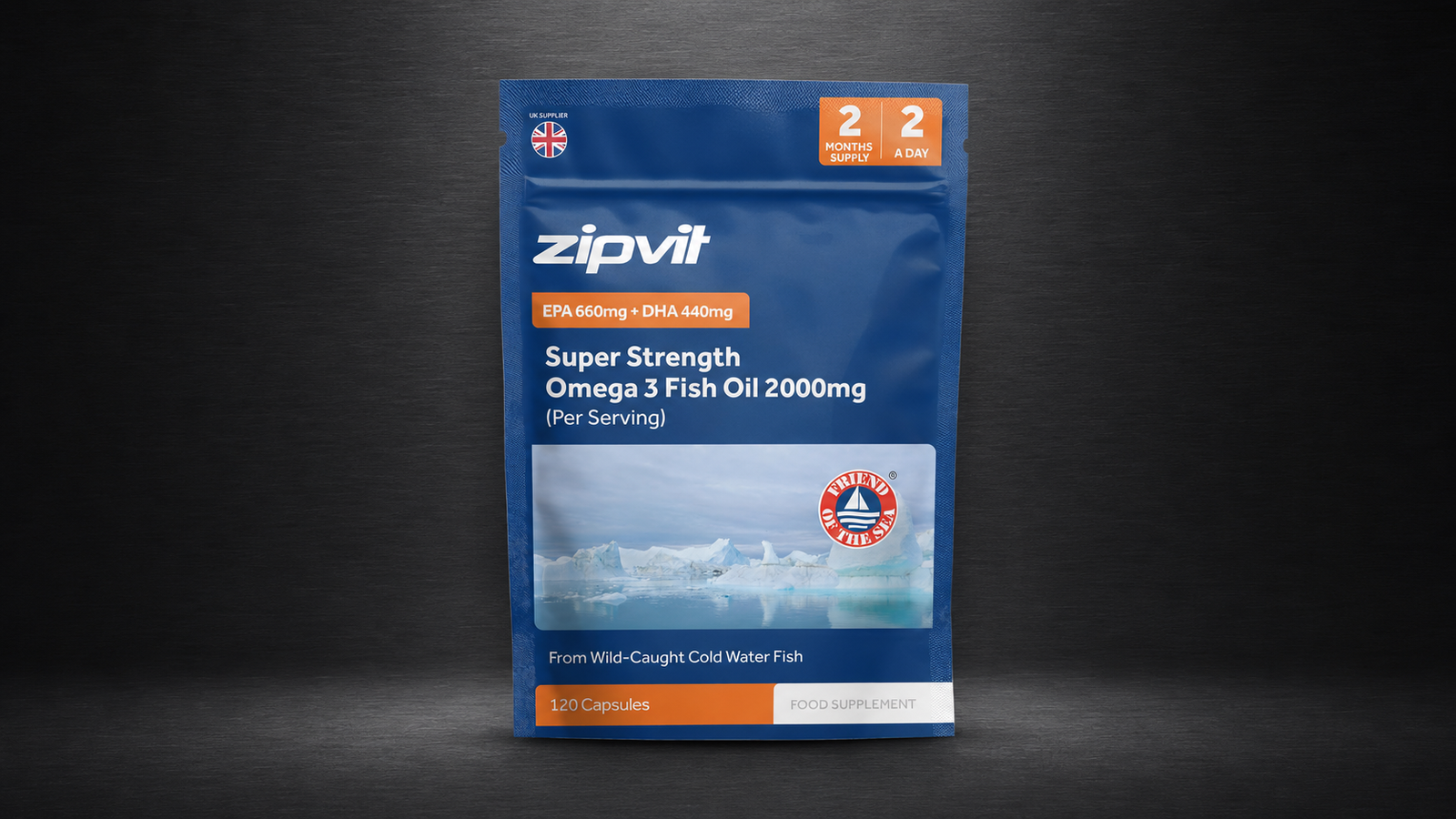
USE IT
Bottle of fish oil omega-3 capsules

FISH OIL (EPA/DHA)

Fish Oil · Everyday · My Bottle

The omega-3 I actually take. Oily fish is the ideal source, but few of us eat it two or three times a week, and a good fish oil closes that gap for pennies a day. What matters is the EPA and DHA on the back label, not the size of the capsule — aim for a combined gram or two a day, and buy one that is third-party tested, because a lot of cheap fish oil is quietly rancid before you open it.
Best forHeart, brain, joints
Dose~1–2g combined EPA+DHA/day
BuyThird-party tested (IFOS)
VIEW ON AMAZON UK →
RESEARCHED
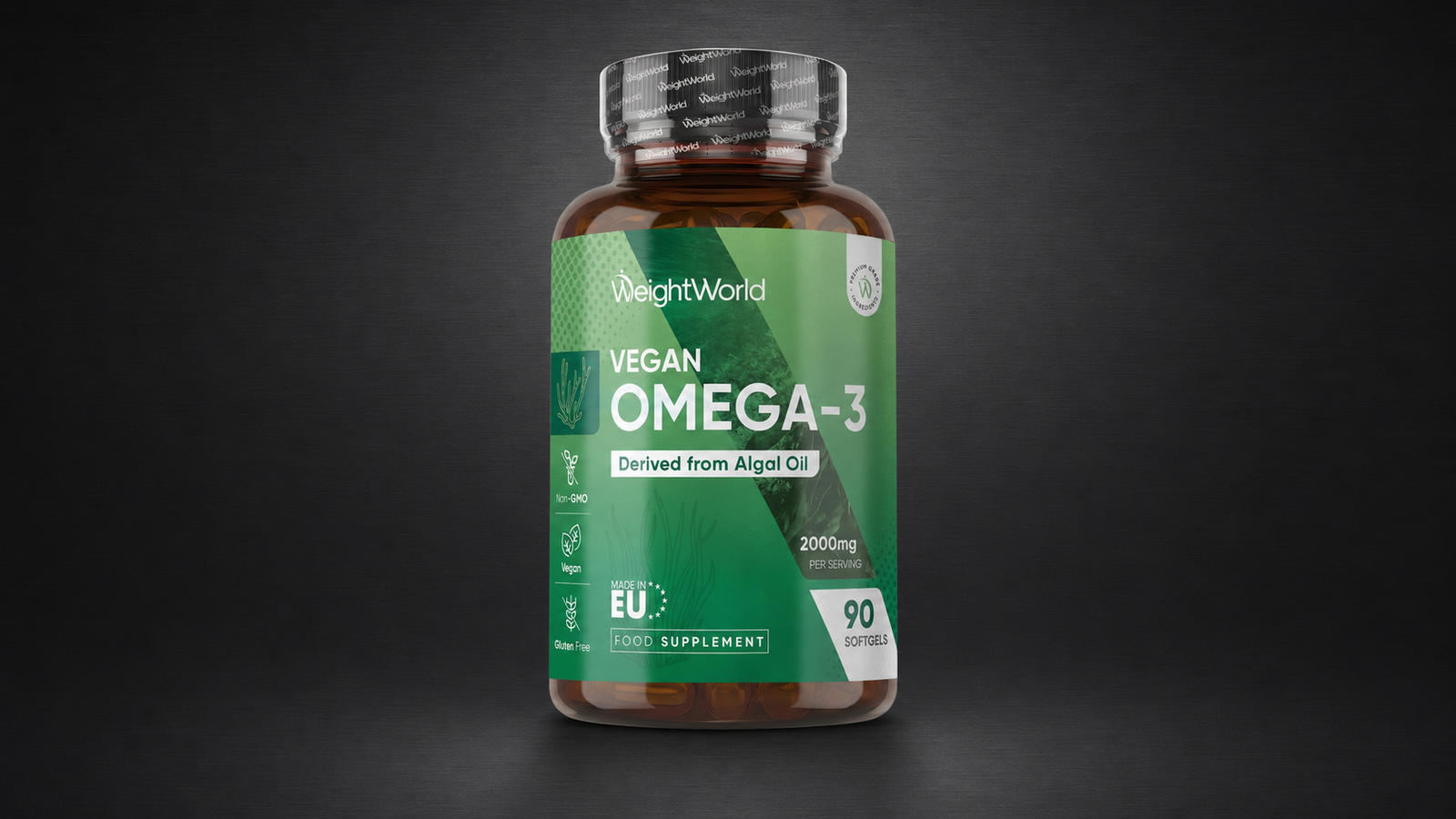
Bottle of vegan algae omega-3 capsules

ALGAE OMEGA-3 (VEGAN)

Algae · Plant-based · Clean

The genuinely good vegan option, and not a compromise. Algae is where the fish get their omega-3 in the first place, so algae oil delivers DHA that matches fish oil and skips the ocean entirely — no mercury, no fishy repeat, grown in clean tanks. It gives you a little less EPA per capsule and costs more, but if you do not eat fish this is the one to buy.

Best forVegans, no fishy burps
ProfileDHA-strong, less EPA
CleanNo ocean contaminants
VIEW ON AMAZON UK →

The Bit The Cheap Bottles Hide

Omega-3 is fragile — it oxidises, and independent testing has found that a large share of commercial fish oils on shelves already exceed accepted freshness limits, which is where the fishy aftertaste comes from. That is why third-party certification (IFOS, USP or NSF) is worth more than any claim on the front, and why molecular distillation matters: it strips out mercury, dioxins and PCBs. The evidence is strongest for heart and triglyceride health at a combined gram or two of EPA and DHA a day — the number on the back, not the '1000mg fish oil' on the front, which is mostly other fats.

03 · MAGNESIUM

THE RIGHT FORM FOR THE JOB YOU WANT.

Magnesium is genuinely useful for sleep, muscle cramp and stress — but the tub you grab off a supermarket shelf is usually the cheap form your body barely absorbs. Get the form right and it is one of the more noticeable supplements here. Two are worth buying; the third is worth avoiding.
USE IT
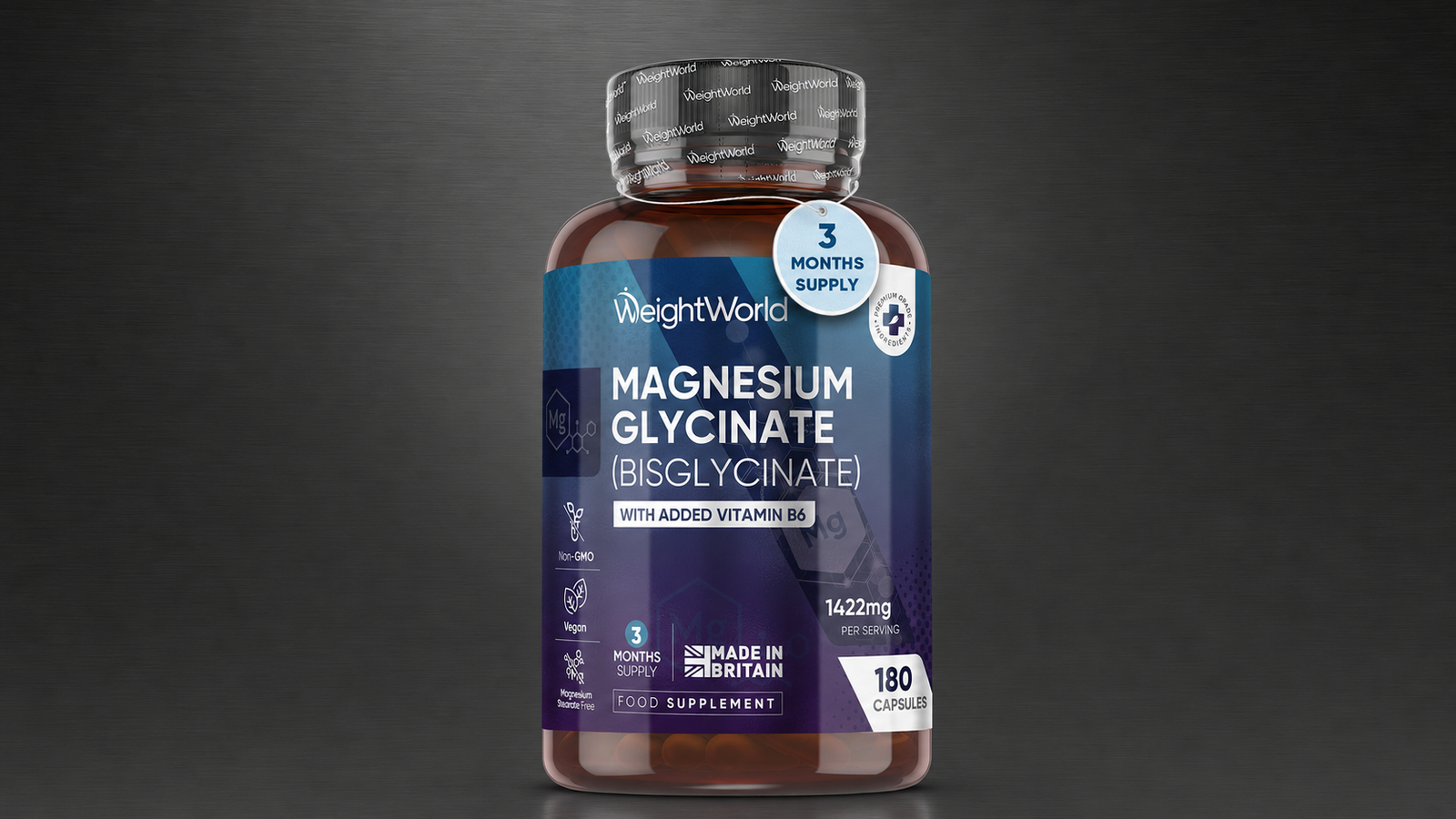
Bottle of magnesium glycinate capsules

MAGNESIUM GLYCINATE

Glycinate · Sleep & Calm · My Form

The magnesium I take, and the one I would hand most women first. Bound to the amino acid glycine, it absorbs well and is gentle on the stomach — no dash to the loo — which is exactly what you want in something you take before bed for sleep, cramp and a wound-up nervous system after a hard day. Around 200 to 400 milligrams of elemental magnesium in the evening is the usual, sensible dose.
Best forSleep, cramp, calm
Dose200–400mg elemental, evening
GutGentle — well absorbed
VIEW ON AMAZON UK →
RESEARCHED
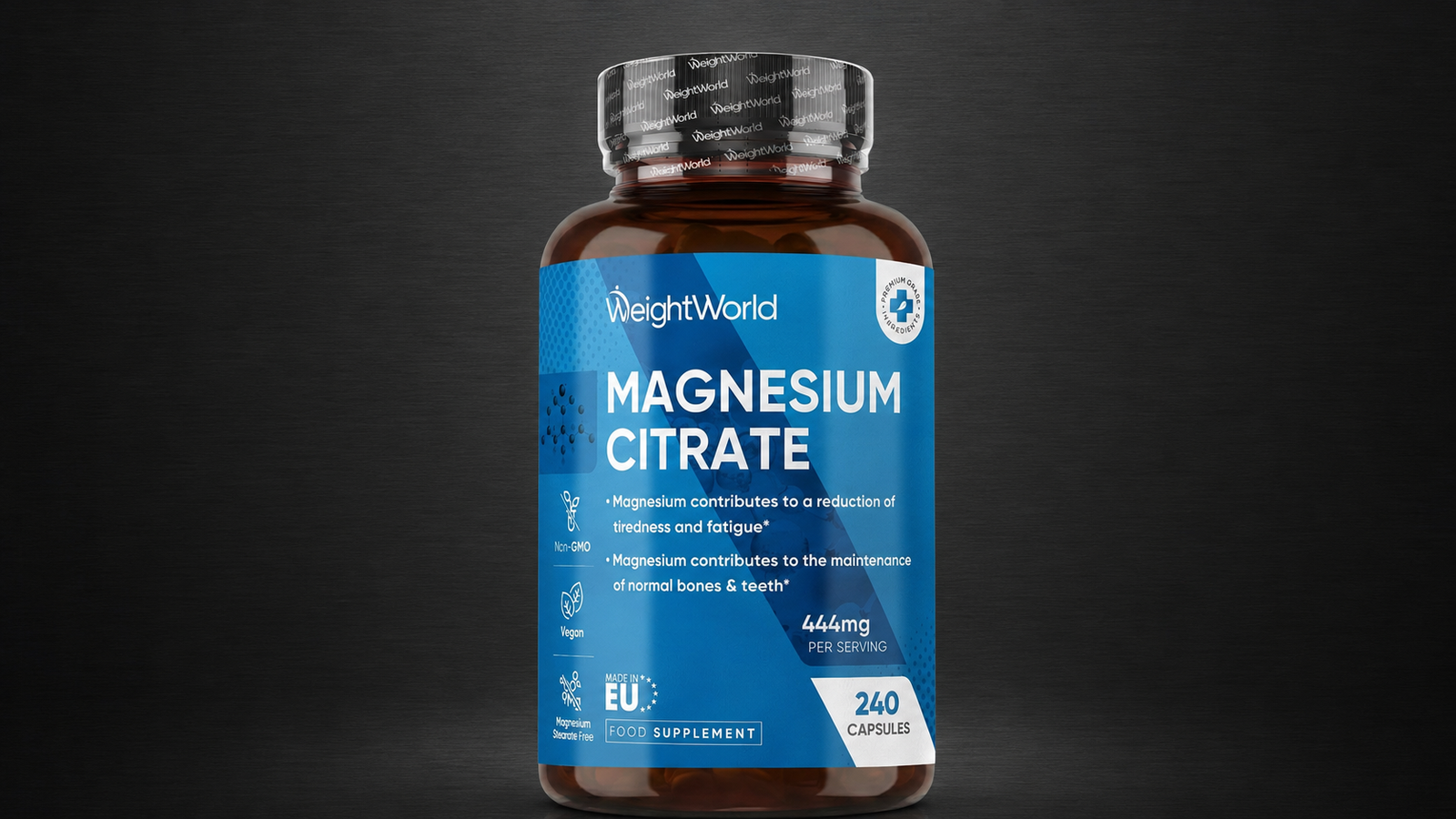
Bottle of magnesium citrate

MAGNESIUM CITRATE

Citrate · Absorbs Well · Also A Laxative

Well absorbed and cheaper than glycinate, and the right pick if your other complaint is sluggish digestion — because citrate pulls water into the gut, it doubles as a gentle, evidence-backed laxative. That is a feature if you are constipated and a nuisance if you are not, so choose it deliberately. If it is purely sleep and calm you are after, glycinate is the tidier answer.

Best forAbsorption + regularity
Dose200–400mg elemental
WatchLoosens the bowels
VIEW ON AMAZON UK →

The Form Is The Whole Decision

Magnesium is one supplement where the type on the label genuinely changes what you get. Glycinate is chelated to cross the gut wall and reach your tissues, which is why it calms without loosening you. Citrate absorbs well too but leaves enough in the gut to draw water in — useful for constipation, less ideal purely for sleep. Oxide is cheap, poorly absorbed and essentially a laxative. Most women land between 270 and 300mg a day of elemental magnesium from food and supplement combined; a hard training block, poor sleep or a lot of sweating are the usual reasons to top it up.

04 · IRON · FOR WOMEN

THE ONE TO TEST FOR BEFORE YOU BUY IT.

Iron is the supplement most relevant to active women and the one most misused. A monthly bleed and hard training make deficiency common, and low iron quietly drains energy and endurance. But it is also the one you should never take blind — so read the science box, get a test, then choose between the gentle form and the cheap one.
RESEARCHED
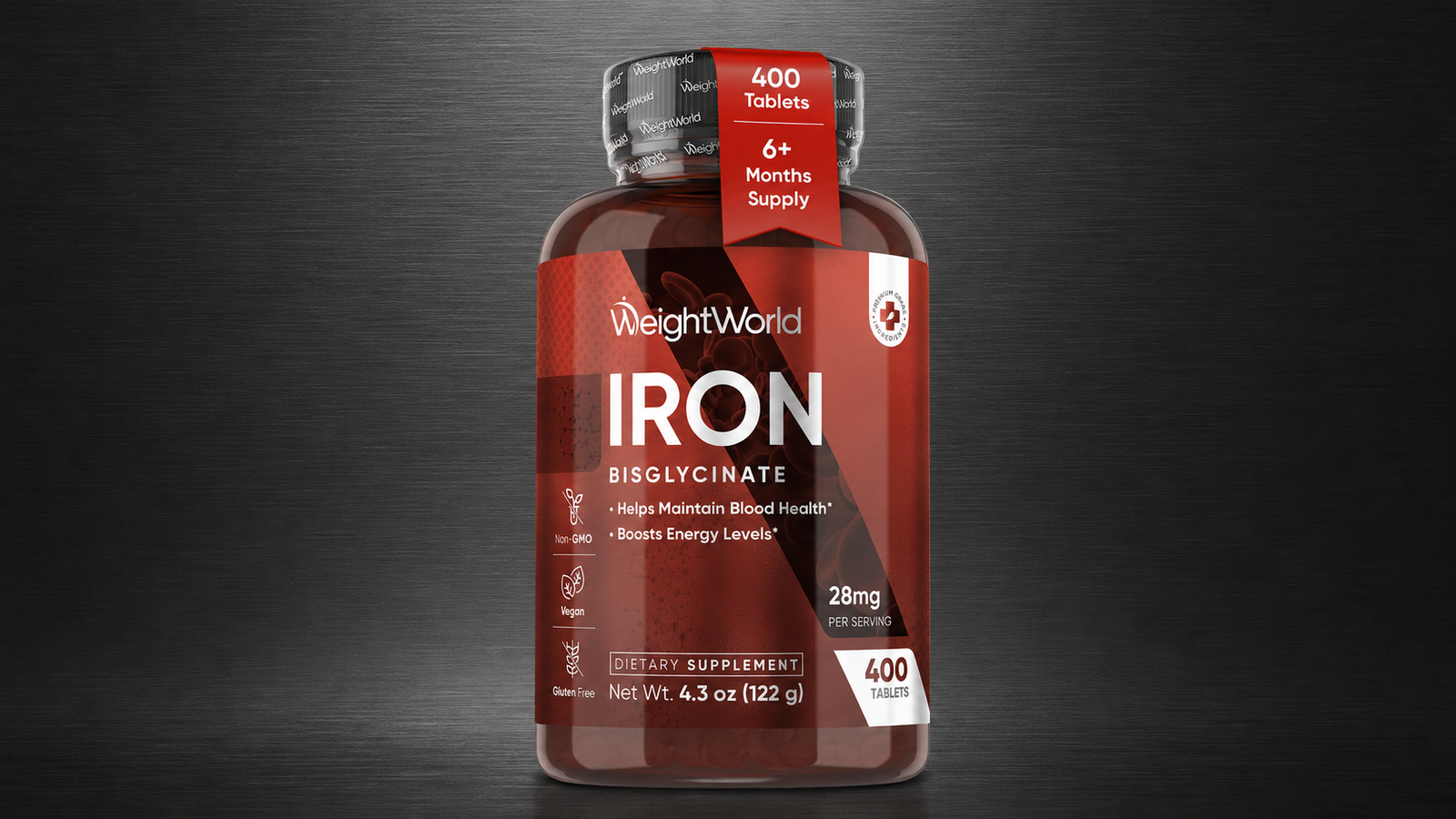
Bottle of ferrous bisglycinate gentle iron

FERROUS BISGLYCINATE

Gentle Iron · Kind On The Stomach

The one to reach for if iron has ever wrecked your stomach — and for a lot of women, it has. This gentle, chelated form is absorbed through a slightly different route, so it causes far fewer of the cramps, nausea and constipation that make people quit ordinary iron. In trials women stuck with it far more reliably than the standard tablet. You pay several times more per dose, which is the honest trade.
Best forSensitive stomachs
FeelFar gentler on the gut
Cost3–5× the cheap tablet
VIEW ON AMAZON UK →
RESEARCHED
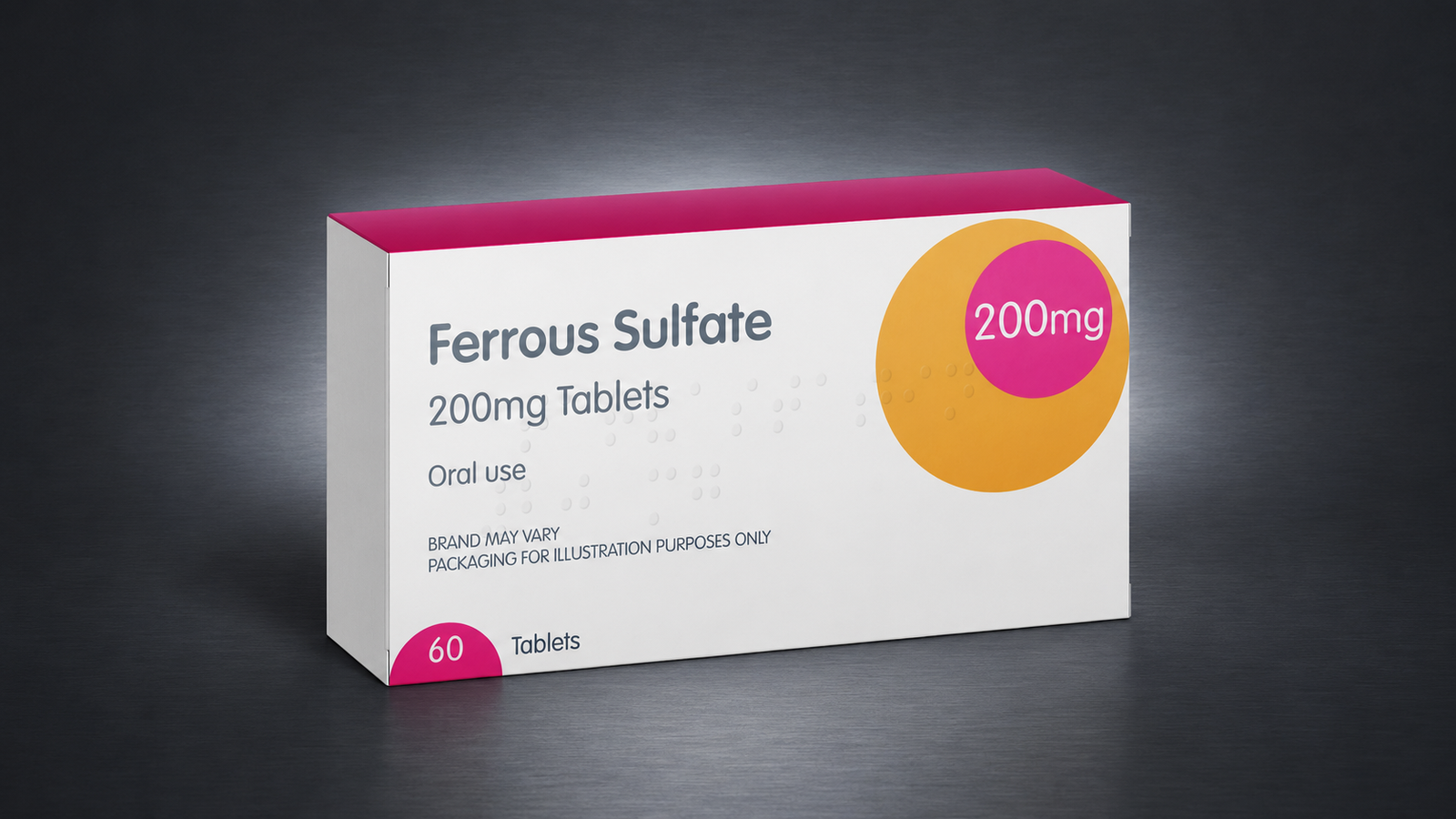
Box of ferrous sulfate iron tablets

FERROUS SULFATE

Standard · Prescription · Effective

The old reliable, and what most GPs prescribe first — it works and it costs almost nothing on prescription. The only real problem is tolerance: a meaningful share of people get the stomach cramps or constipation it is famous for. If a blood test confirms you need it, this is usually where your GP will start you; if your gut does not cope with it, the gentle form above is worth raising with them as an alternative.

Best forBudget, if it agrees
CostLow-cost on prescription
WatchGI side effects common

Test First — Then Absorb It Properly

Iron is the one mineral here where 'just in case' is the wrong instinct. Menstruating women, and female runners especially, are at real risk — iron deficiency affects an estimated 15 to 35% of female athletes, partly through monthly loss and partly through the tiny gut and foot-strike bleeding that endurance running causes. But the fix starts with a ferritin blood test, because supplementing a body that is not short can push you toward overload. Once you know you need it: take it in the morning with about 100mg of vitamin C (which boosts absorption two to three-fold), away from tea, coffee and calcium — and consider alternate-day dosing, since a single dose every other day is now shown to absorb better than the same amount split daily.

BUYING RULES THAT ACTUALLY MATTER

01

SKIP THE MULTIVITAMIN

A varied diet covers most of it, and the excess of anything water-soluble is gone by lunchtime. Buy the few things with real evidence, not a tub of twenty you will half-take.

02

VITAMIN D IS THE ONE TO ACTUALLY TAKE

Nearly every UK adult is short from October to March. Ten micrograms is the NHS baseline; D3 with K2 is the upgrade. This is the supplement most worth your money on the page.

03

THE FORM IS THE PRODUCT

Magnesium glycinate versus oxide, algae versus fish, bisglycinate versus sulfate — the word after the mineral changes what you actually get. Buy the form, not the front-of-tub number.

04

TEST BEFORE IRON, AND NEVER MEGADOSE THE REST

Iron and the fat-soluble vitamins can build up and harm you. Get a ferritin test before iron, stay under the vitamin D ceiling, and treat 'more' as a risk, not a strategy.

QUICK ANSWERS

Do I need a multivitamin?

Most people don't. A varied diet covers the basics, and you simply pass the excess of water-soluble vitamins. The gaps worth filling in the UK are specific — vitamin D above all — not a scattergun tablet.

What is the point of K2 with vitamin D?

D3 raises how much calcium you absorb; K2 (as MK-7) helps direct that calcium into your bones and away from your arteries. The bone evidence is good; take D3 alone if you prefer, but the pairing is a sensible upgrade — unless you're on blood thinners, in which case ask your GP.

Fish oil or algae omega-3?

Fish oil gives more EPA per capsule and costs less; algae is vegan, matches fish on DHA and carries no ocean contaminants. Either way, buy on the EPA/DHA on the back label and choose a third-party-tested product.

Which magnesium should I take?

Glycinate for sleep, cramp and calm without upsetting your stomach. Citrate if you also want help with constipation. Avoid oxide — it's cheap because your body barely absorbs it.

Should I just take iron to be safe?

No. Test your ferritin first. Deficiency is common in menstruating and endurance-running women, but taking iron you don't need can cause overload, which is harmful. Supplement to a blood test, not a hunch.

When should I take these?

Vitamin D and omega-3 with a meal containing fat. Magnesium in the evening. Iron in the morning with vitamin C, away from tea, coffee and calcium — and alternate days often absorbs better than daily.

The whole page is one idea the vitamin industry would rather you didn't hear: for a healthy person eating reasonably, almost none of the aisle is necessary. A short list is — vitamin D because of where we live, omega-3 if you don't eat fish, magnesium for sleep and cramp, iron only if a test says so.

Buy those few in the right form, take them consistently, and put the money you saved on the twenty-pill complex into more of the food that made most of it unnecessary in the first place.

Sources & Research
  • NHS — vitamin D: adults should consider 10µg (400 IU) daily in autumn and winter; upper limit 100µg (4000 IU)/day.
  • Knapen MHJ, Drummen NE, Smit E, Vermeer C & Theuwissen E (2013). Three-year low-dose menaquinone-7 supplementation helps decrease bone loss in healthy postmenopausal women. Osteoporosis International, 24(9). 180µg/day MK-7 for 3 years slowed bone-density loss in 244 postmenopausal women.
  • Omega-3 — EPA/DHA evidence for cardiovascular and triglyceride health; independent testing (e.g. IFOS) shows a large share of commercial fish oils exceed oxidation limits; algae oil provides DHA comparable to fish oil without ocean contaminants.
  • Magnesium — glycinate (chelated, well-absorbed, gentle) vs citrate (absorbed, osmotic/laxative) vs oxide (poorly absorbed); evidence for sleep and constipation by form.
  • Iron — ferrous bisglycinate shows better GI tolerability and adherence than ferrous sulfate; alternate-day single dosing improves fractional absorption (hepcidin response); vitamin C ~100mg increases absorption 2–3×; iron deficiency affects ~15–35% of female athletes. Test ferritin before supplementing.

Products marked USE IT are ones I buy and use. Those marked RESEARCHED are based on independent testing and the research, not personal use. Educational content, not medical advice — fat-soluble vitamins and iron can accumulate and cause harm. Test before iron, do not exceed vitamin D limits, and speak to your GP before vitamin K2 if you take anticoagulants, or before any supplement if you are pregnant, breastfeeding or managing a health condition.

Scroll to Top