AMINO ACIDS · EAAs, BCAAs & WHAT'S WORTH IT

THE TUB YOU'RE BUYING
instead of protein.

First, what they even are, because the marketing relies on you not knowing. Protein is made of twenty amino acids; nine of them your body cannot make, so you must eat them — these are the essential amino acids (EAAs). BCAAs are just three of those nine. That is the whole vocabulary, and it is the key to why most of this aisle is a waste of money.

Here is the honest version in a sentence: if you are hitting your daily protein, a tub of amino acids adds almost nothing, because you are already eating all of them in a more complete, cheaper form. BCAAs in particular are one of the most oversold supplements in the shop — three amino acids doing the job the marketing pretends needs a scoop.

So this page explains the difference, tells you the narrow cases where an amino product genuinely earns its place, and points you back to the thing that makes most of it unnecessary. A recommendation without a downside is an advert.

How To Read This Page

USE ITRESEARCHED

Use it — in my cupboard, bought with my own money, first-hand including what annoys me. Researched — not something I take, based on the research and independent testing.

As an Amazon Associate I earn from qualifying purchases. Same price for you. Full disclosure.

WHAT YOU ACTUALLY NEED

Mostly protein. But here's the honest breakdown.

EAA vs BCAAThe difference, and why one is oversoldJump ↓
When it's worth itFasted, plant-based — and the cheaper answerJump ↓
For joints & skinCollagen, and the one to mostly skipJump ↓
01 · EAA vs BCAA

NINE VERSUS THREE, AND WHY IT DECIDES EVERYTHING.

This one distinction settles most of the amino acid question. To build muscle your body needs all nine essential amino acids present at once. EAAs give you all nine; BCAAs give you three. So if you are choosing between the two tubs, it is not close — and if you are eating enough protein, you may not need either.
RESEARCHED
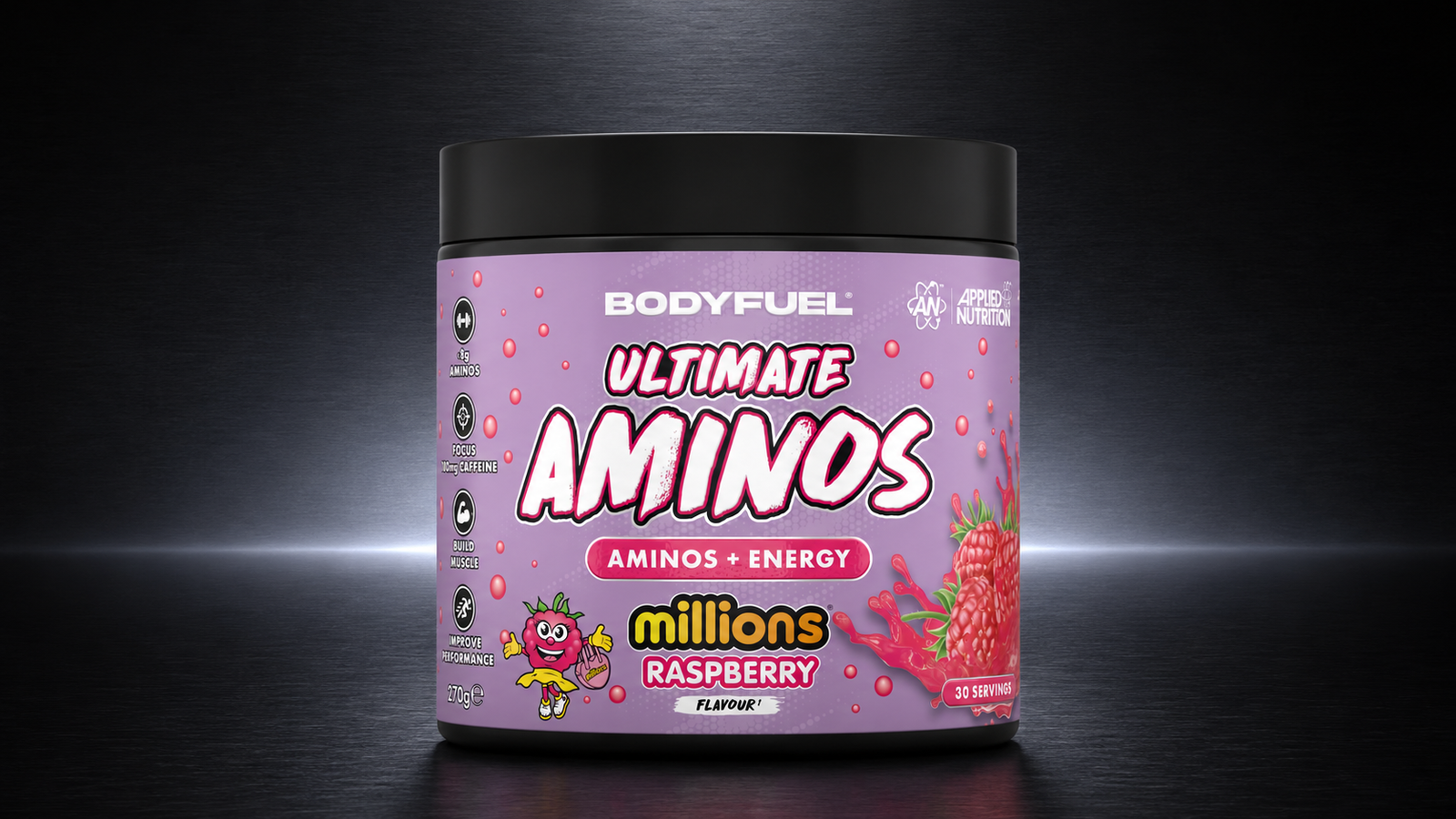
Tub of essential amino acid (EAA) powder

ESSENTIAL AMINO ACIDS (EAA)

All 9 Essentials · Complete · The Better One

If you are going to buy an amino acid product, buy this rather than BCAAs. EAAs contain all nine essentials, which means they carry both the trigger for building muscle and the raw material to actually build it. That completeness is the whole point — and it is exactly what BCAAs are missing. Useful in a genuinely narrow set of situations, which the next section is honest about.
Best forFasted training, low-protein days
ContainsAll 9 essential aminos
Vs BCAAComplete, not just a signal
VIEW ON AMAZON UK →
RESEARCHED
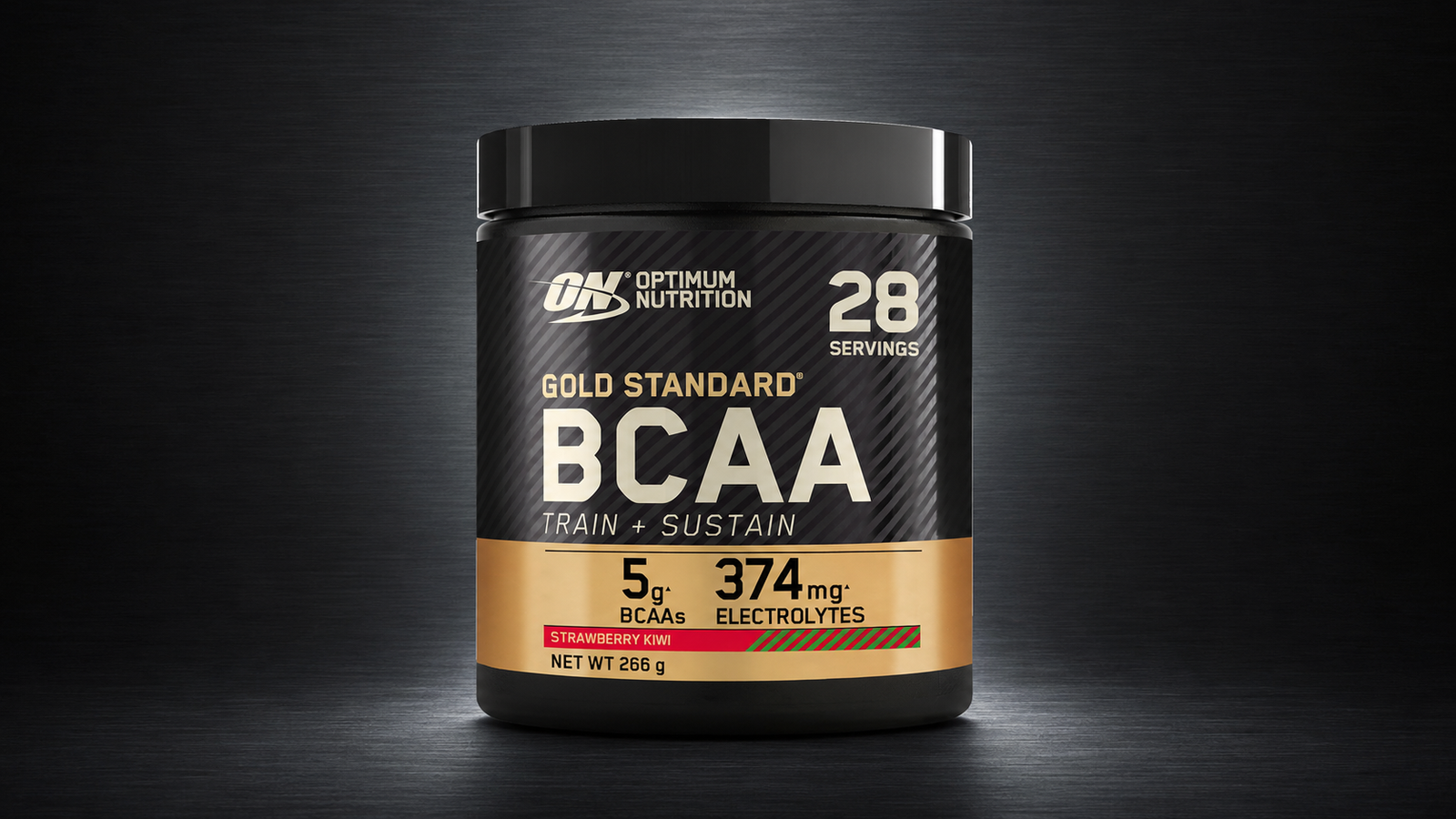
Tub of BCAA branched-chain amino acid powder

BCAAs

3 Aminos Only · Oversold · Skip

The most heavily marketed and least justified tub in the shop. BCAAs are three of the nine essentials — leucine, isoleucine and valine — and leucine really does flip the muscle-building switch. The problem is that flipping the switch with no bricks in the yard builds very little: without the other six essentials, the response is limited. There is little good evidence BCAAs do much when your protein is already adequate, which for most people it is.

Best forAlmost nobody
ContainsOnly 3 of 9 essentials
VerdictA signal with no materials
VIEW ON AMAZON UK →

Leucine Flips The Switch — The Other Eight Build The Wall

Leucine is the amino acid that signals your muscles to start building, and there is a rough threshold of around two to three grams per meal to do it well. That is the grain of truth the BCAA industry is built on. But signalling is not building — muscle protein synthesis needs all nine essential amino acids present as raw material, and BCAAs supply only three. That is why the research keeps landing in the same place: BCAAs alone are insufficient to drive a proper muscle-building response, while a complete protein — or EAAs — does the job. Studies also show it is the leucine content that matters, not whey being magic, which is why the next section points you at the cheapest complete option.

02 · WHEN IT'S ACTUALLY WORTH IT

A FEW REAL CASES — AND THE CHEAPER ANSWER.

Amino acids are not useless; they are just usually unnecessary. There is a short list of situations where free EAAs genuinely help — and for everyone else there is a complete protein that does the same job for less. Here they are side by side, honestly.

RESEARCHED
Tub of EAA powder for fasted training

EAAs — THE NARROW CASE

Fasted · Plant-based · Older Athletes

There are real, specific situations where free EAAs earn a place: training first thing on an empty stomach when a full protein feed would sit heavy, a very low-protein or plant-based day where you are struggling to hit the number, or older age, where the muscle-building machinery responds better to a concentrated dose of essentials. They absorb fast and are easy on the stomach. Outside those cases, they are a luxury.
Best forFasted AM training
AlsoLow-protein or plant days
TakeAround your session
USE IT
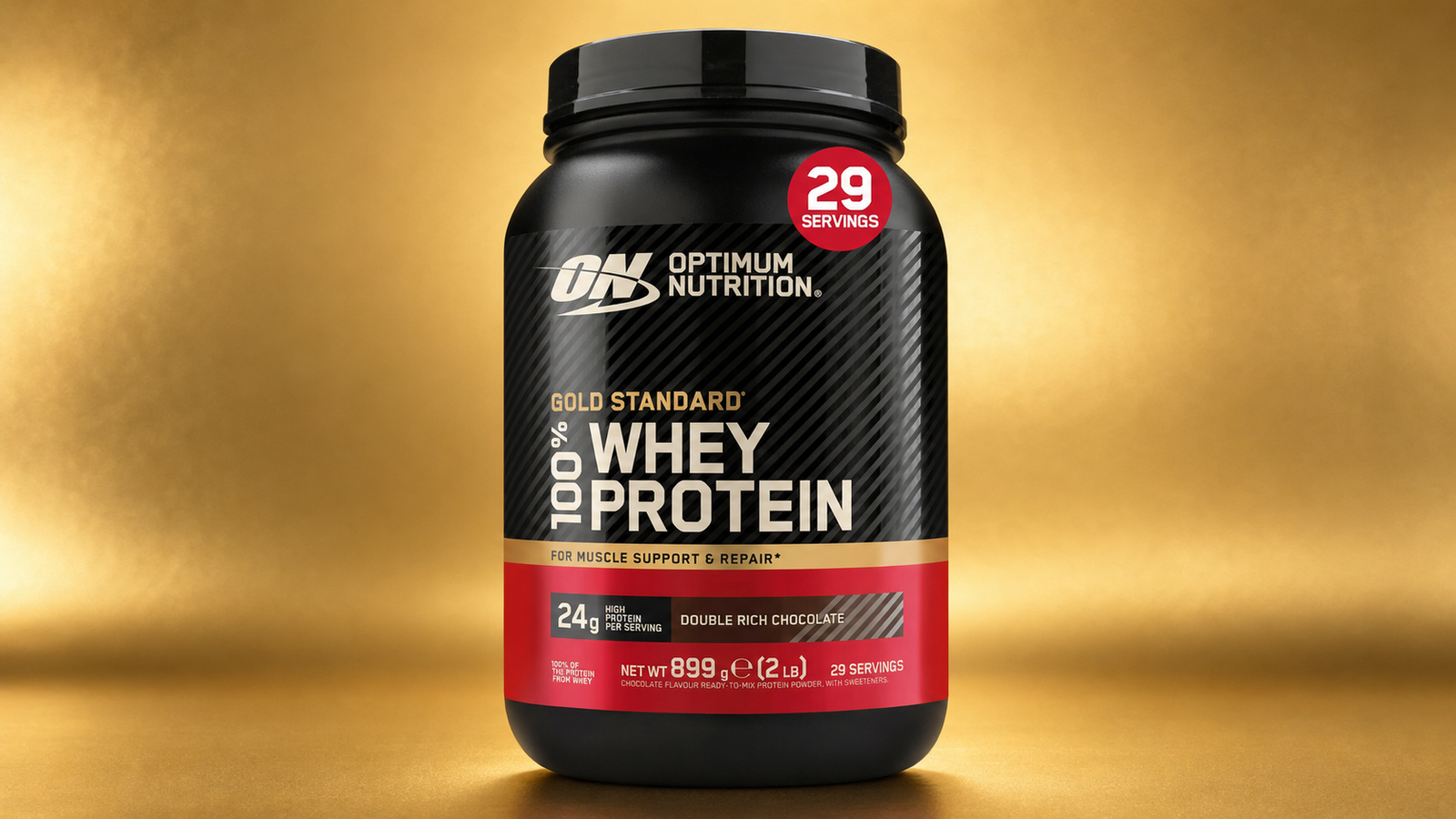
Tub of whey protein powder

WHOLE PROTEIN (WHEY)

Complete · Leucine-rich · The Real Answer

This is the one I actually use, and for almost everyone it makes the whole amino aisle redundant. A scoop of whey gives you all nine essential amino acids plus more leucine than a BCAA tub, as real food, for less money per serving. The research is blunt about it: it is the leucine and complete-protein content that drive muscle, and whey delivers both. Hit your daily protein with food and whey, and standalone aminos become optional.

Best forEveryone, basically
ContainsAll 9 + high leucine
CostCheaper per serving
OPEN THE PROTEIN FINDER →

The Number That Makes Aminos Optional

Most active people build and hold muscle on roughly 1.6 to 2.2 grams of protein per kilogram of bodyweight a day, spread across meals with enough leucine in each. Hit that from food and a protein shake and there is very little a separate amino tub can add — you are already eating every essential amino acid, in complete form, all day. The honest hierarchy is: get your total protein first, use whey to top it up, and only reach for free EAAs in the narrow cases on the left. A tub of aminos is not a shortcut past the protein number; it is an expensive way to buy a slice of it.

03 · FOR JOINTS & SKIN

THE ONE WORTH A LOOK — AND THE ONE TO SKIP.

Beyond muscle, two amino products get marketed hard to women and runners. One has a genuine, specific evidence base for tendons, joints and skin; the other is largely something your body already makes. Here is which is which.
RESEARCHED
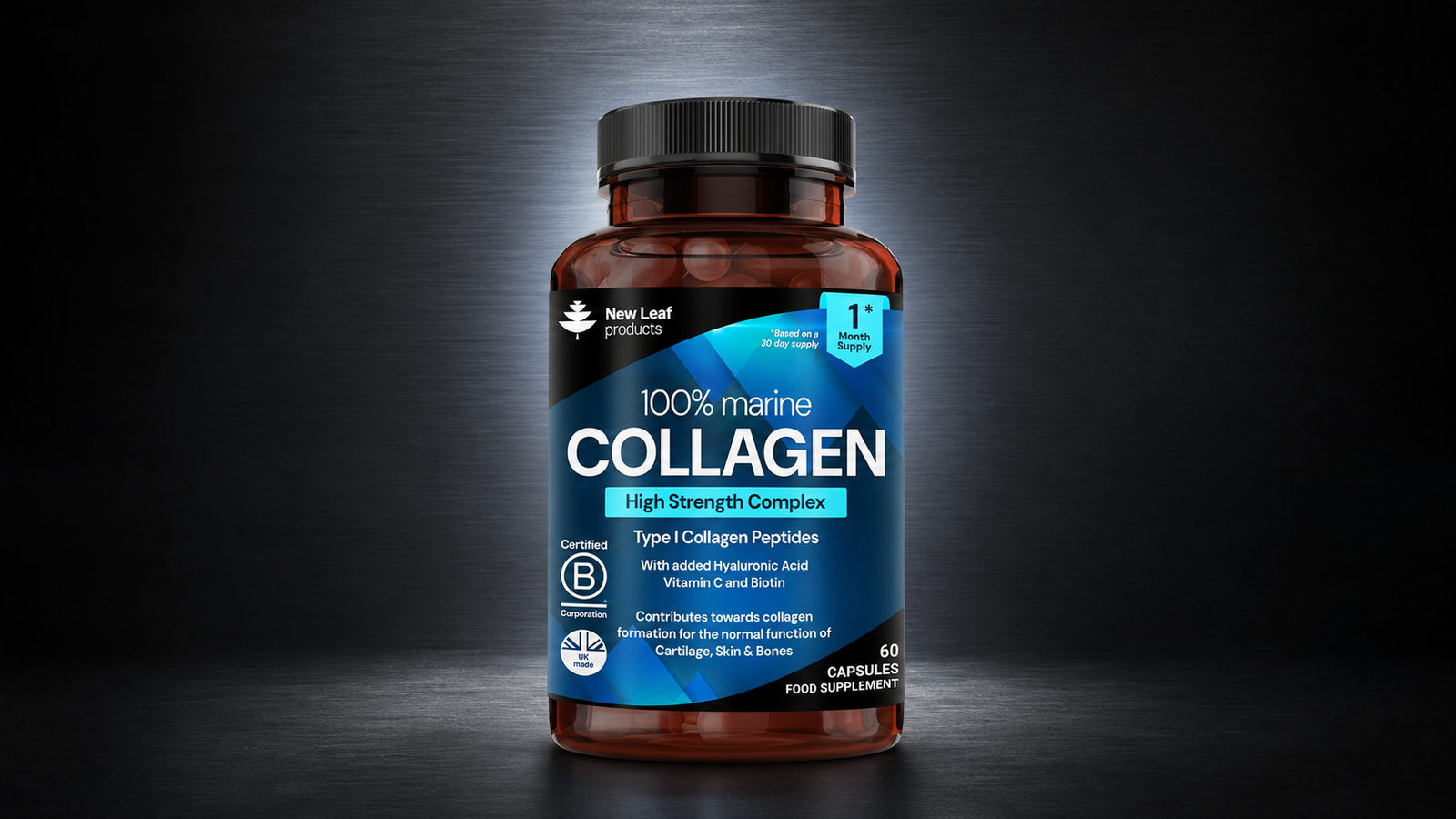
Tub of collagen peptides powder

COLLAGEN PEPTIDES + VITAMIN C

Tendons · Joints · Skin · A Real Niche

The one amino product with a genuine, specific case — just not the one people assume. Collagen is a poor muscle protein, but for connective tissue it has real evidence: around fifteen grams with a little vitamin C, taken thirty to sixty minutes before you load a tendon, roughly doubles markers of collagen synthesis. For runners and anyone with cranky knees or Achilles, that is worth knowing. Taken daily, it also modestly improves skin elasticity in trials — small, but real.
Best forTendons, joints, skin
Dose~15g + vitamin C, pre-load
Not forBuilding muscle
VIEW ON AMAZON UK →
RESEARCHED
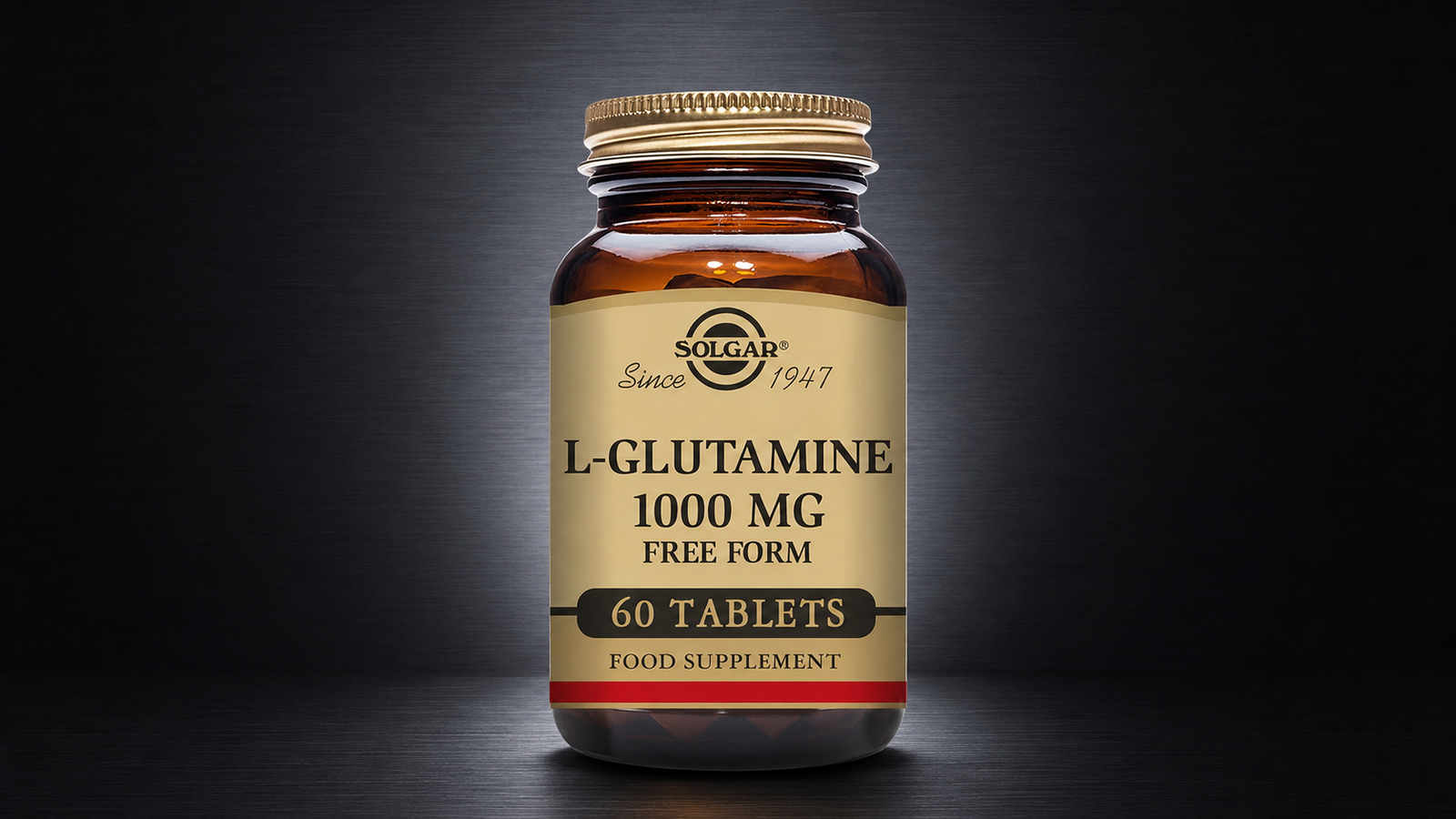
Tub of glutamine powder

GLUTAMINE

Recovery Claims · Mostly Skip

The tub sold for recovery, immunity and muscle that mostly does none of them in a healthy, well-fed person. Your body makes plenty of glutamine and you eat more in any protein. The one honest sliver of evidence is that around five grams after very long endurance efforts may reduce the post-race sniffles some athletes get — but there is no good evidence it builds muscle or improves body composition. For most people, this is money better spent on protein.

Best forA narrow endurance-immune case
MuscleNo good evidence
VerdictMostly skip
VIEW ON AMAZON UK →

Why Collagen Is The Exception That Proves The Rule

Collagen breaks the 'just eat protein' rule for one reason: connective tissue — tendon, ligament, skin — is built largely from collagen-specific amino acids like glycine and proline, and the classic 2017 work by Shaw and colleagues showed that a collagen or gelatin dose with vitamin C, taken about an hour before loading the tissue, doubled collagen synthesis in the blood. Later reviews found modest but consistent tendon and ligament benefits, and separate trials show small skin-elasticity gains at a few grams a day over one to three months. Glutamine, by contrast, has weak and mixed evidence outside a narrow endurance-immunity niche — a good example of an amino acid your body and your dinner already handle.

BUYING RULES THAT ACTUALLY MATTER

01

HIT YOUR PROTEIN FIRST

1.6 to 2.2g per kilogram of bodyweight a day, from food and whey. Do that and almost every amino acid tub on the shelf becomes optional. The number is the supplement.

02

EAA OVER BCAA, EVERY TIME

If you buy one, buy the complete nine, not the three. BCAAs are a signal with no materials — leucine flips the switch, but the other eight essentials build the muscle.

03

WHEY BEATS BOTH FOR MOST PEOPLE

Complete, leucine-rich, and cheaper per serving than any amino tub. Save the free EAAs for fasted training, plant-based days or older age — the narrow cases where they genuinely help.

04

COLLAGEN IS THE REAL NICHE

For tendons, joints and skin — not muscle — collagen with vitamin C before loading has real evidence. It is the one 'amino' product with a specific job worth paying for.

QUICK ANSWERS

What is the difference between EAAs and BCAAs?

EAAs are all nine amino acids your body can't make; BCAAs are just three of them. Building muscle needs all nine present, so EAAs are complete and BCAAs are not — which is why BCAAs alone do little.

Do I need amino acid supplements at all?

Usually no. If you hit your daily protein from food and whey, you are already eating every essential amino acid in complete form. Aminos help only in narrow cases like fasted or very low-protein training.

Are BCAAs a waste of money?

For most well-fed people, largely yes. Leucine triggers muscle building, but without the other essentials there is little to build with, and the evidence for standalone BCAAs is weak when protein is adequate.

Is whey better than amino acids?

For almost everyone, yes — it is complete, high in leucine and cheaper per serving. Research suggests it is the leucine and complete-protein content that matter, both of which whey delivers.

Does collagen actually work?

For connective tissue and skin, there is real evidence — around 15g with vitamin C before loading a tendon roughly doubles collagen synthesis, and a few grams daily modestly improves skin elasticity. It does not build muscle.

Should I take glutamine for recovery?

Probably not. Your body makes it and you eat it in any protein. The only honest evidence is a possible reduction in infections after very long endurance events — not muscle or general recovery.

The whole page reduces to one line the amino industry would rather you didn't read: if you eat enough protein, you are already taking amino acids — in complete form, as food, for less money. BCAAs are the clearest example of paying extra for a fraction of what a protein shake already gives you.

Get your protein number first. Keep whey for topping it up. Reach for EAAs only in the narrow cases, and collagen only for your tendons and skin. Then spend the rest on food.

Sources & Research

Products marked USE IT are ones I buy and use. Those marked RESEARCHED are based on the research and independent testing, not personal use. Educational content, not medical advice — if you are pregnant, breastfeeding or managing a health condition, speak to your GP before adding supplements.

Scroll to Top